Can Pink Salt Under Your Tongue Burn Fat Fast?
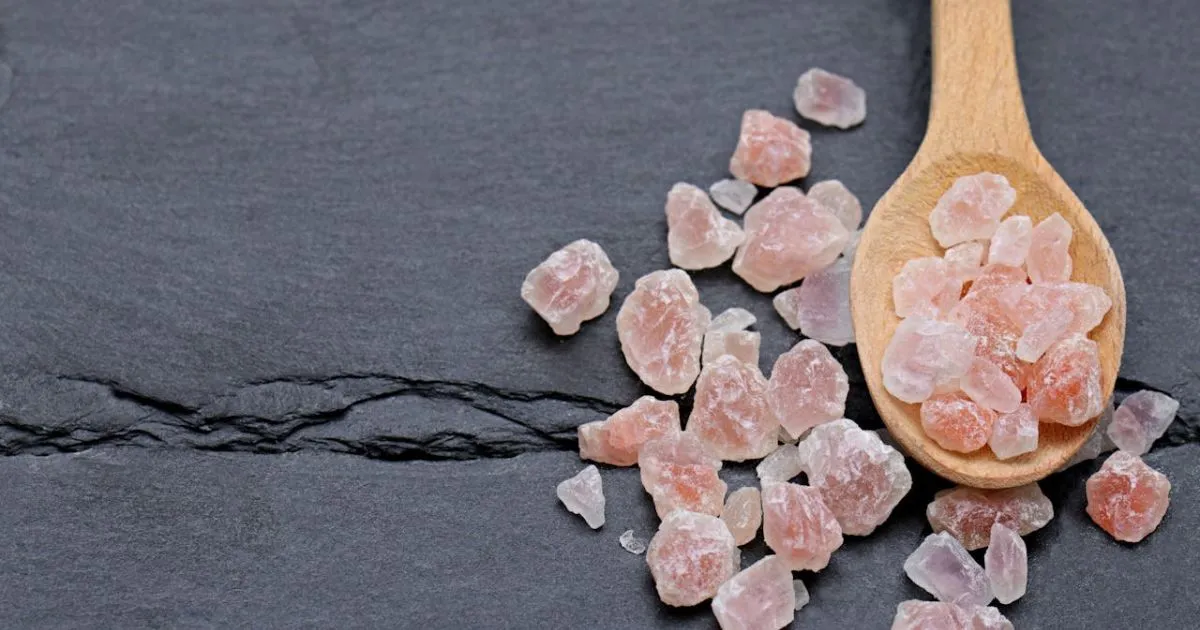
If you’ve scrolled through social media lately, chances are you’ve seen the latest “miracle hack” — putting a pinch of pink Himalayan salt under your tongue before bed to burn fat.
It sounds simple, almost too good to be true, and that’s exactly why it’s gone viral.
The question is: does it actually work?
Origins & Popularity
The “pink salt trick” isn’t something you’ll find in medical journals — it’s a trend born online.
The idea is simple: place a dash of Himalayan pink salt under your tongue, often before bed, and it’s supposed to trigger fat loss overnight.
Some posts even call it a way to “melt away body fat” without changing your diet or lifestyle.
What pushed it into the spotlight? Viral content. Influencers and flashy videos promise dramatic results, often packaged as insider “hacks.”
In some cases, even fake celebrity endorsements have been used to boost credibility. On Reddit, users have already called it out:
“Seriously I heard you could lose up to 30 pounds a week on it… …the Oprah one is AI. …Fake Fake Fake.”
It’s the perfect storm — easy promise, eye-catching marketing, and the illusion of authority.
But popularity doesn’t equal proof, and that’s where science needs to step in.
What Is Pink Himalayan Salt — Nutrients & Claims
Himalayan pink salt is essentially rock salt mined from the Punjab region of the Himalayas.
Its signature pink hue comes from trace minerals like magnesium, potassium, and calcium.
While that sounds impressive, the amounts are so small they don’t provide meaningful health benefits compared to regular table salt.
Despite that, pink salt has been marketed as more than just seasoning.
Supporters claim it helps with hydration, boosts metabolism, supports digestion, and even curbs appetite.
These claims are what fuel the “pink salt trick” trend, making it sound like a natural shortcut to weight loss.
Scientific Reality: What Do Experts Say?
When you cut through the hype, experts are clear: there’s no scientific evidence that placing pink salt under your tongue leads to weight loss.
- Ro (Health platform) puts it bluntly: the pink salt trick is “not a scientifically proven method”. In fact, excess sodium often has the opposite effect — it can cause water retention, leaving you feeling bloated or puffy rather than lean.
- Noom, a leading weight-management platform, confirms that pink salt does not burn fat. Any quick change on the scale would only be water loss, not actual fat reduction. Their advice: sustainable weight loss comes from a holistic approach built on diet, exercise, and long-term habits.
- Verywell Health highlights the risks of overdoing pink salt: elevated blood pressure, kidney strain, bloating, disrupted iodine levels, and even potential exposure to heavy metals. None of these risks are worth chasing an unproven shortcut.
The Risks & Misleading Marketing
Trends like the pink salt trick spread quickly because they’re marketed as effortless solutions.
But behind the buzz are risks and red flags worth calling out.
- Fake endorsements: Some videos circulating online feature celebrities “promoting” pink salt as a weight loss hack. In reality, many of these are AI-generated deepfakes. As Reddit users have pointed out, the Oprah endorsement making the rounds is fabricated. These tactics prey on trust to sell an illusion.
- Real health risks: Pink salt isn’t a harmless shortcut. Too much sodium — whether from pink salt or table salt — can increase blood pressure, cause fluid retention, disrupt electrolytes, weaken bone health, and even expose you to trace heavy metals found in some samples.
- Cultural claims vs. scientific evidence: Pink salt is often praised in traditional wellness practices, such as being used to balance electrolytes or support digestion. But while moderation in salt intake is reasonable, there is no reliable scientific evidence showing it leads to fat loss or a faster metabolism.
What Actually Works for Weight Loss
Lasting weight loss doesn’t come from quick tricks — it comes from evidence-based habits that support your body over time.
- Create a calorie deficit: Eating nutrient-dense foods in appropriate portions, combined with regular physical activity, is the foundation of fat loss.
- Stay hydrated with water: Plain water helps regulate appetite, supports metabolism, and keeps your body functioning at its best. Saline solutions or salt tricks are unnecessary.
- Seek professional guidance: For those struggling with weight management, healthcare providers can recommend tailored strategies, including nutritional plans, behavioral support, and in some cases, FDA-approved medications such as GLP-1 therapies.
Why Myths Spread & Why They Persist
It’s easy to see why the pink salt trick took off. The idea of a simple, cheap, and effortless fix is appealing — especially when weight loss often feels complicated and overwhelming.
A pinch of salt before bed sounds far easier than committing to weeks of meal planning and workouts.
Social media algorithms also play a role. They reward bold claims and eye-catching stories, pushing anecdotal “success” posts to the top of feeds while burying the less glamorous scientific truth. The louder the promise, the faster it spreads.
Then there’s the issue of deep-fake marketing.
When people see familiar faces — like Oprah — supposedly endorsing a trend, it creates instant credibility, even if the video is fabricated.
For many, that’s enough to make the claim feel trustworthy, despite a lack of evidence.
These factors combine to keep myths alive. They thrive on hope, convenience, and the illusion of authority — not on proven science.
Conclusion
Putting pink salt under your tongue is not backed by science as a weight-loss method.
Beyond being ineffective, it can be risky — especially for people with high blood pressure, kidney concerns, or those already consuming too much sodium.
Real progress doesn’t come from viral shortcuts.
Sustainable weight loss is built on consistent habits: balanced eating, regular movement, proper hydration, and guidance from qualified health professionals when needed.
The next time you come across a flashy “hack,” pause and ask: Does this come from evidence, or just from social media hype?
Your health is better served by relying on reputable, science-based sources — not internet fads.