

How Does Liquid IV Compare to Pedialyte for Hangovers?
The morning after a heavy night out usually feels the same: a pounding head, a dry mouth, sluggish energy, and that desperate reach for anything that promises fast hydration.
Electrolyte drinks have become the go-to solution, and two names dominate the conversation — Liquid I.V. and Pedialyte.
That creates a simple but important question: which one actually works better for hangover recovery?
These products look similar on the surface, yet their formulation, sodium load, sugar levels, and intended use vary enough to influence how well they help you bounce back.
What is a hangover — the physiology behind it
A hangover isn’t just “being dehydrated.” It’s a cluster of biological reactions triggered by alcohol, and hydration is only one part of the equation.
Alcohol increases urine output, which strips the body of water and electrolytes faster than normal.
As fluid levels drop, sodium, potassium, and other minerals fall out of balance — a major driver behind headaches, dizziness, muscle weakness, and that bone-deep fatigue.
But that’s only the beginning.
Alcohol also triggers an inflammatory response, interferes with normal blood sugar regulation, disrupts REM sleep, and irritates the stomach lining.
This is why people often wake up with nausea, brain fog, and a “wired but tired” sensation even if they rehydrated the night before.
Understanding this matters when choosing a hangover remedy.
A drink that restores electrolytes helps with dehydration symptoms, but it can’t undo inflammation, poor sleep, or stomach irritation.
That’s why comparing Liquid I.V. and Pedialyte isn’t about which one “cures” a hangover — it’s about which one addresses the hydration component more effectively.
Overview: Pedialyte — origin, formulation & marketing
Pedialyte was originally designed to treat dehydration in sick children, using a medical-grade formula focused on rapid electrolyte absorption with very little sugar.
Its low sugar-to-sodium ratio makes it more effective — and gentler on the stomach — than typical sports drinks.
As adults began using it for exercise recovery, travel fatigue, and hangovers, the brand expanded with adult-oriented powders and “Sport” versions, openly embracing this broader use.
For hangovers, Pedialyte’s strengths are clear: high electrolyte density, low sugar, and efficient fluid absorption.
Its drawbacks: no energy-related vitamins, mild flavors, and it only helps with hydration — not inflammation, sleep disruption, or other hangover effects.
Overview: Liquid IV — what it is, key claims and ingredients
Liquid I.V. is a powdered electrolyte mix designed to be poured into water and consumed as a fast-hydration solution.
Unlike traditional oral rehydration formulas, it blends electrolytes, glucose, and added vitamins to create a flavor-forward hydration product that appeals to active adults — including those dealing with hangovers.
Its ingredient profile typically includes:
- Sodium: A high dose to pull water into the bloodstream efficiently.
- Potassium: Supports muscle function and fluid balance.
- Glucose + sugar: Helps speed electrolyte absorption through the sodium-glucose transport mechanism.
- B-Vitamins & Vitamin C: Added to support energy metabolism and overall recovery.
The brand’s messaging centers around bold claims, including the idea that its formula “hydrates faster than water alone.”
While water absorption varies by individual physiology, the combination of sodium, glucose, and electrolytes does support quicker fluid uptake than plain water in many hydration scenarios.
In a hangover context, Liquid I.V. has clear strengths: flavor variety, fast electrolyte delivery, and vitamin support, which some people find helpful when dealing with low energy the morning after drinking.
The powder format is also convenient — easy to store, carry, or mix when you’re already feeling rough.
Its limitations come down to formulation.
The sugar content is higher than medical-grade hydration solutions, which can be uncomfortable for people with nausea.
The sodium load is also relatively high, which works for rehydration but may feel intense depending on your tolerance.
Direct comparison: Pedialyte vs Liquid IV for hangovers
Electrolyte drinks can’t cure a hangover, but they do help with the dehydration and mineral loss that make symptoms worse.
Below is a streamlined, research-backed comparison to help readers choose the right option for their morning recovery.
Quick Nutrition Snapshot (Per Single Serving Packet)
Liquid I.V. (Hydration Multiplier)
500 mg sodium • 370 mg potassium • 10–11 g sugar • 45 kcal
Pedialyte (Powder Pack / Classic Powder)
260 mg sodium • 180 mg potassium • Very low sugar • 30 kcal
Note: Formulas vary across product lines (Liquid I.V. sugar-free, Pedialyte Fast Hydration, AdvancedCare, etc.). Always check the exact label.
What These Numbers Mean for Hangover Recovery
Sodium Drives Hydration Efficiency
Higher sodium helps retain water and slows urine loss — a major benefit after alcohol-induced dehydration.
Drinks with more sodium improve fluid restoration better than water alone.
Sugar Speeds Up Electrolyte Absorption
Glucose activates the sodium–glucose cotransporter (SGLT1) in the intestines, pulling both sodium and water into the bloodstream more efficiently.
- Liquid I.V. uses more sugar, which enhances absorption.
- Pedialyte keeps sugar low, staying closer to medical rehydration standards.
Sugar: Helpful for Absorption, Tricky for Nausea
- Liquid I.V.’s sugar supports rapid hydration.
- But when someone is queasy, higher sugar can feel heavy and worsen nausea.
- Pedialyte’s low-sugar formula is typically easier on an irritated stomach, making it a better fit for hangover mornings when nausea is front and center.
Convenience, Flavor, and Real-World Use
Liquid I.V.
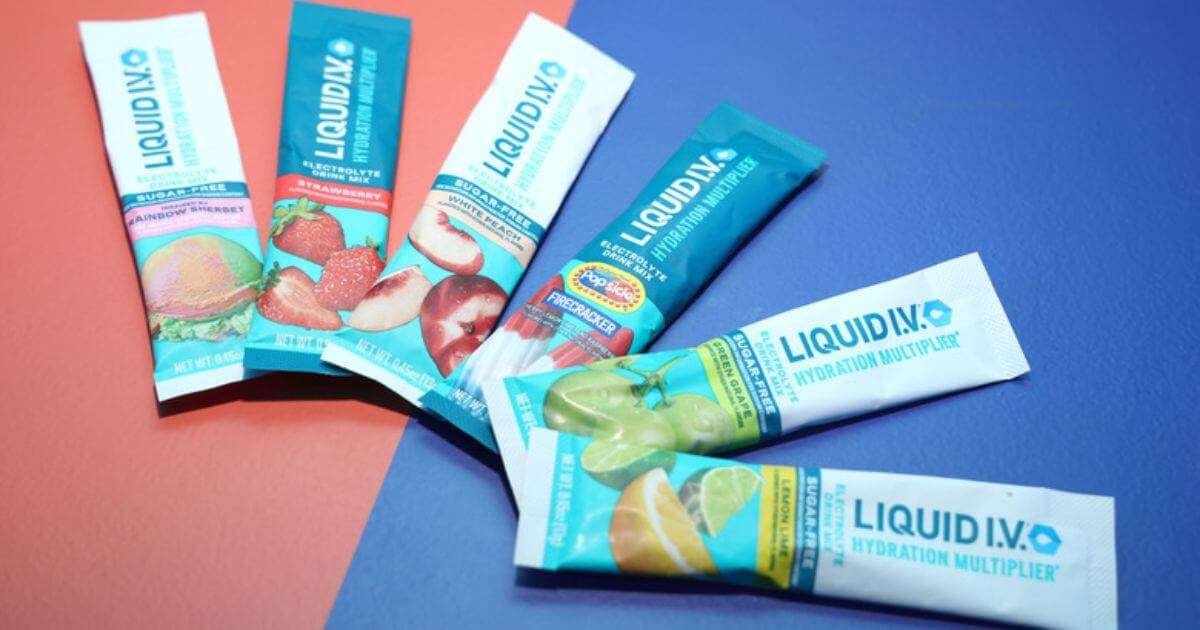
- Comes in flavored single-serve sticks
- Includes B-vitamins + Vitamin C
- Bold flavors and an “energizing” profile
- Widely available online and in stores
Pedialyte
- Sold as powders and ready-to-drink bottles
- Has adult-focused lines like Fast Hydration
- Flavor profile is milder
- Commonly found in pharmacies and grocery stores
Pricing is broadly similar per serving, but store-brand electrolyte mixes often mimic Pedialyte at a lower cost.
What Medical Evidence Says
Electrolyte drinks help only the dehydration component of a hangover.
They do not solve:
- inflammation
- poor sleep
- acetaldehyde buildup
- gut irritation
Practical Takeaways
Choose Liquid I.V. if:
- you need rapid hydration
- nausea is mild
- you want added vitamins and stronger flavors
- you prefer highly portable stick packs
Choose Pedialyte if:
- nausea is strong
- you want a low-sugar, medical-grade formula
- your stomach feels sensitive
- you prefer a gentler, steady approach to rehydration
Practical recommendations & how to use each for hangover
Using hydration mixes strategically makes a noticeable difference in how you feel the next day.
Both Liquid I.V. and Pedialyte work best when they’re part of a hydration plan, not a last-second rescue mission.
When to Use Them
Before drinking:
A serving of either product before going out helps start the night with balanced electrolytes.
This doesn’t prevent a hangover, but it reduces the level of dehydration you begin with.
During drinking:
Alternating a serving of electrolyte solution with water helps stabilize fluid loss and slows the intensity of dehydration.
One packet over the course of the night is usually enough.
Right after drinking:
This is the most effective timing.
Alcohol increases urine output even after you stop drinking, so replenishing electrolytes before bed supports overnight hydration.
Next morning:
If you wake up with a headache, fatigue, or dry mouth, a packet mixed with water helps replenish what was lost.
This is when the difference between Liquid I.V. and Pedialyte becomes more noticeable, because stomach sensitivity and sugar tolerance vary widely when you’re hungover.
How to Use Them Effectively
- Mix one packet in the recommended amount of water — usually 16 oz.
- Sip slowly instead of chugging; it absorbs better and is easier on an irritated stomach.
- Pair the drink with additional plain water throughout the day.
- Avoid treating these products as permission to drink excessively — they support hydration, not alcohol tolerance.
What to Pair Them With
Food:
A simple, balanced meal (toast, eggs, fruit, broth) stabilizes blood sugar and supports recovery.
Rest:
Alcohol disrupts REM cycles. Extra sleep does more for recovery than any drink.
Avoiding the “hair of the dog”:
Another drink only delays symptoms and increases the total recovery time.
Stick to hydration and rest instead.
Which Option Fits Your Situation?
Heavy night out:
Pedialyte tends to feel easier on the stomach the next morning because of its lower sugar and clinical electrolyte balance.
Moderate drinking / need an energy lift:
Liquid I.V. works well if you want flavor variety + vitamin support, and you’re not overly sensitive to sugar when hungover.
Sensitive stomach:
Pedialyte is usually the gentler option.
Budget considerations:
Pedialyte and Liquid I.V. are priced similarly per stick, but store-brand electrolyte powders often mimic Pedialyte’s profile at a lower cost.
Cautions
- Both options contain significant sodium, which is necessary for hydration but not ideal for people restricting sodium intake.
- Liquid I.V. contains more sugar, which supports absorption but can feel heavy if you’re nauseous.
- Those with kidney issues, blood pressure concerns, or medically restricted fluid intake should consult a healthcare provider before using high-electrolyte formulas.
- Don’t combine electrolyte drinks with alcohol — use them before, between, or after the drinking session, not alongside it.
Verdict: Which is better for hangovers?
When the goal is pure hydration and electrolyte restoration, Pedialyte has a slight advantage.
Its low-sugar, medically aligned formulation absorbs efficiently and is gentle on a stomach that’s already irritated.
If you wake up extremely dehydrated, nauseous, or wiped out from a heavy night, Pedialyte is usually the more reliable choice.
But priorities aren’t the same for everyone.
If you prefer stronger flavors, want an energy lift from added vitamins, or like the convenience of highly portable powder sticks, Liquid I.V. fits that profile better.
It delivers fast hydration with a more vibrant taste and a vitamin mix that some users find helpful when they’re feeling drained.
It’s important to stay realistic: neither product “cures” a hangover.
Hydration helps with the dehydration component, but symptoms tied to poor sleep, inflammation, and alcohol metabolism take time, food, and rest to resolve.
Here’s a simple decision guide:
- You drank heavily, feel very dehydrated, or your stomach feels sensitive → Choose Pedialyte.
- You drank moderately and want a flavored, vitamin-supported hydration option → Choose Liquid I.V.
- You’re prone to morning nausea → Pedialyte’s low-sugar profile is easier to tolerate.
- You’re looking for convenience and flavor variety → Liquid I.V. wins.
Additional Considerations & Myths Busted
Myth: “Just drinking water is enough.”
Water helps replace lost fluid, but it doesn’t address electrolyte depletion, low blood sugar, inflammation, or disrupted sleep — all of which contribute to hangover symptoms.
Electrolytes solve only the hydration portion of the problem, not the full biological cascade triggered by alcohol.
That’s why people often drink water all night and still wake up feeling awful.
Electrolyte drinks are one tool, not a full fix.
Products like Liquid I.V. and Pedialyte replenish sodium, potassium, and fluids efficiently.
But acetaldehyde buildup, inflammatory signaling, gut irritation, and shallow sleep require rest, food, and time, not just hydration.
Understanding this prevents unrealistic expectations and helps you choose hydration products for what they are good at — restoring balance after heavy fluid loss.
Cost vs. Benefit
If you drink occasionally, using Liquid I.V. or Pedialyte the morning after is a simple and effective recovery step.
For frequent use, the cost adds up quickly.
In those cases, value-focused alternatives — store-brand electrolyte mixes or medical-style rehydration packets — deliver similar hydration performance at a lower price.
Special Populations
Both Pedialyte and Liquid I.V. are considered safe for children when used appropriately, but the context matters:
- Pedialyte was originally formulated for pediatric dehydration.
- Liquid I.V. can be used for kids as well, but it should be done with doctor guidance to ensure the electrolyte and sugar levels are suitable for age and condition.
Adults using these products for hangovers should not assume the same dosage or frequency applies to kids.
Natural Alternatives
For readers who want a less processed option, several choices still support hydration:
- Coconut water for potassium and fluid replacement.
- Water + a pinch of salt + a squeeze of lemon for a simple sodium-glucose solution.
- Broth or soup for fluid, sodium, and comfort when the stomach feels unsettled.
Natural options won’t match the precision of formulated electrolyte powders, but they can still help replenish fluids and minerals effectively.
Conclusion
Hangovers are multifaceted — dehydration is only one piece.
Electrolytes help restore fluid and mineral balance, but they don’t fix poor sleep, inflammation, or alcohol’s metabolic effects.
For hydration support, Pedialyte offers a low-sugar, clinically balanced formula that’s easier on a sensitive stomach, making it ideal after a heavy night.
Liquid I.V. provides stronger flavor options and added vitamins, which some people prefer when they need a quick energy lift.
The choice is simple:
- Feeling severely dehydrated or nauseous? Go with Pedialyte.
- Feeling mildly hungover and want flavor + vitamins? Choose Liquid I.V.
For a smoother morning overall: alternate drinks with water, eat before and after drinking, choose your hydration mix intentionally, and get proper sleep.