
Bariatric Gelatin Recipe for Weight Loss Support
A bariatric gelatin recipe for weight loss should be simple, low in added sugar, easy to portion, and realistic about what gelatin can do.
Gelatin does not melt fat or replace a proper bariatric meal plan.
Its real value is practical: it can help satisfy a sweet craving, add fluid, and become more useful when paired with complete protein.
This recipe is designed for general weight-loss readers and people following bariatric-style eating, with clear notes for post-surgery safety.
Direct Answer: What Is a Bariatric Gelatin Recipe for Weight Loss?
A bariatric gelatin recipe for weight loss is usually a sugar-free gelatin dessert made with added protein, portioned into small servings.
It supports weight management by helping control calories and cravings, not by directly causing fat loss.
The best version uses:
- Sugar-free gelatin mix
- Unflavored or complementary-flavored protein powder
- Water or a clear protein drink
- Small serving cups for portion control
For people after bariatric surgery, this recipe should only be used during the diet stage approved by their surgeon or dietitian. Early post-op diets are highly specific, and tolerance varies.
Bariatric Protein Gelatin Recipe
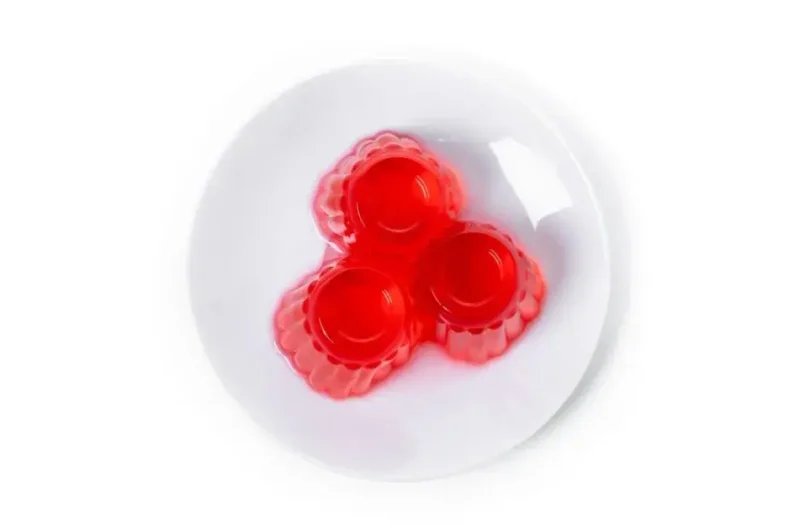
Bariatric Gelatin Recipe for Weight Loss
Servings
4
servingsPrep time
5
minutesCooking time
5
minutesCalories
25–45
kcalChill Time
2
minutesIngredients
Sugar-free gelatin mix, 1 small packet
1 cup boiling water
1 cup cold water or clear protein drink
Optional (use sparingly):
1 scoop unflavored whey isolate or approved protein powder
Ice cubes (optional)
Directions
- Add the sugar-free gelatin powder to a heat-safe bowl.
- Pour in 1 cup of boiling water.
- Stir until the gelatin fully dissolves.
- Let the mixture cool for several minutes. It should be warm, not steaming hot.
- In a separate cup, mix the protein powder with cold water or a clear protein drink until smooth.
- Slowly whisk the protein mixture into the warm gelatin.
- Pour into 4 small containers.
- Refrigerate for at least 3–4 hours, or until fully set.
Recipe Video
Notes
- Best timing: Consume 15–30 minutes before meals to support fullness and appetite control.
- Portion guidance: Start with 1 serving once daily. Some people tolerate up to 2 servings per day, but more is not better.
- Do not substitute flavored gelatin: Added sugars and artificial flavors can increase cravings and reduce effectiveness.
- Texture matters: If the gelatin doesn’t set properly, it was likely overheated or not bloomed correctly.
- Not a meal replacement: This recipe supports routines—it does not replace balanced meals or protein intake.
Estimated Nutrition Per Serving
Nutrition depends on the gelatin brand and protein powder used.
| Per small serving | Approximate amount |
|---|---|
| Protein | 5–7 g |
| Added sugar | 0 g, if using sugar-free gelatin |
| Fat | 0–1 g |
| Carbs | 0–3 g |
This is not a full meal. It works better as a small snack, sweet option, or liquid-stage recipe when approved by a care team.
Why This Recipe Fits Bariatric-Style Weight Loss
A bariatric-style recipe is not just “low calorie.” It should also be small, protein-aware, low in added sugar, and easy to tolerate.
This gelatin recipe fits that pattern because it:
- Creates pre-portioned servings
- Keeps added sugar low
- Provides a soft texture
- Can contribute to fluid intake
- Helps reduce the urge for higher-calorie desserts
- Allows protein powder to be added without making the portion large
The protein addition matters. Plain gelatin contains protein, but gelatin is not a complete protein.
It lacks tryptophan and does not replace high-quality protein foods such as eggs, fish, poultry, Greek yogurt, cottage cheese, tofu, or a complete protein shake.
Does Gelatin Help With Weight Loss?
Gelatin does not directly cause weight loss.
The weight-loss benefit comes from the structure around it: fewer added sugars, smaller portions, better snack planning, and improved protein intake when the recipe includes a complete protein source.
A small bowl of protein gelatin can be useful if it replaces:
- Ice cream
- Cookies
- Candy
- Sugary pudding
- High-calorie snacks
- Frequent grazing between meals
That does not make gelatin a fat-loss food. It makes it a controlled snack that can fit into a calorie-conscious eating pattern.
Bariatric Surgery Safety Notes
If you have had gastric sleeve, gastric bypass, duodenal switch, or another bariatric procedure, follow your own program’s diet stages first.
Do not assume every gelatin recipe is safe immediately after surgery. Some programs allow sugar-free gelatin during clear or full liquid stages, while others have different timing, serving sizes, or protein rules.
Use this recipe carefully if:
- You are in the first weeks after surgery
- You have nausea, vomiting, reflux, or poor fluid tolerance
- Your care team has restricted protein powders
- You have kidney disease or protein restrictions
- You react poorly to sugar alcohols or artificial sweeteners
- You experience dumping symptoms after sweet foods
After bariatric surgery, high-sugar foods can trigger digestive symptoms in some people, especially after gastric bypass. That is why sugar-free gelatin is usually preferred over regular gelatin dessert.
Clear Liquid vs Full Liquid: Which Version Should You Use?
The right version depends on your diet stage.
| Diet stage | Better option | Important note |
|---|---|---|
| Clear liquid stage | Sugar-free gelatin without creamy add-ins | Use only if your care team allows gelatin |
| Protein-focused liquid stage | Gelatin with clear protein drink or approved protein powder | Avoid clumps and drink fluids slowly |
| Full liquid stage | Protein gelatin or creamy yogurt gelatin | Only if dairy or yogurt is allowed |
| Soft-food stage | Protein gelatin with smooth Greek yogurt | Avoid fruit chunks unless cleared |
| Regular diet stage | Protein gelatin as a snack | Keep portions small |
If you are not a bariatric surgery patient, the recipe can still work as a lower-calorie, higher-protein dessert. The post-surgery restrictions do not apply to everyone, but the portion-control idea is still useful.
Common Mistakes That Make Bariatric Gelatin Less Helpful
Adding protein powder to boiling water
Very hot water can make protein powder clump. Dissolve the gelatin first, then let it cool before whisking in the protein.
Using regular sugary gelatin
Regular gelatin dessert often contains added sugar. For bariatric-style weight loss, sugar-free gelatin is usually the better option.
Treating it like a meal replacement
This recipe is a snack. It does not provide enough complete nutrition to replace a balanced meal.
Eating too much because it is “low calorie”
Low-calorie foods still matter when eaten repeatedly throughout the day. Portion the recipe into small cups before chilling.
Adding fruit too early after surgery
Fruit pieces are not suitable for early liquid stages. They add texture, fiber, and sugar that some post-op stomachs do not tolerate well.
Recipe Variations
1. Clear Protein Gelatin
Use a clear protein drink instead of cold water. This works best with fruit-flavored gelatin.
Best for: people who want a lighter texture and less creaminess.
2. Creamy Bariatric Gelatin
Once full liquids or soft foods are allowed, whisk in a small amount of plain Greek yogurt after the gelatin cools slightly.
Best for: a thicker, pudding-like texture with more protein.
3. Electrolyte Gelatin
Use a sugar-free electrolyte drink for part of the cold liquid.
Best for: people who struggle with plain water, as long as the drink is non-carbonated and approved for their plan.
4. Collagen Gelatin
You can add collagen peptides, but this should not be your main protein strategy. Collagen is not a complete protein.
Best for: texture and variety, not as a replacement for complete protein.
Storage Tips
Store the gelatin in covered containers in the refrigerator.
Best practices:
- Eat within 3–4 days.
- Keep servings small.
- Do not freeze; freezing changes the texture.
- Label the containers if you are tracking protein.
- Use single-serving cups to prevent overeating.
If the recipe smells off, separates heavily, or develops an unusual texture, discard it.
Practical Takeaway
A bariatric gelatin recipe for weight loss is useful when it is sugar-free, portion-controlled, and paired with complete protein.
It can help satisfy a sweet craving without adding many calories, but it does not cause weight loss on its own.
For bariatric surgery patients, the safest version is the one that matches your current diet stage and your care team’s instructions.
FAQs
Can I eat gelatin after bariatric surgery?
Many bariatric programs allow sugar-free gelatin during liquid stages, but timing differs by program. Follow your surgeon or dietitian’s plan.
Is gelatin enough protein after bariatric surgery?
No. Gelatin is not a complete protein. Use complete protein sources such as approved protein shakes, whey isolate, dairy, eggs, fish, poultry, soy, or other dietitian-approved foods.
Can I use collagen instead of protein powder?
You can use collagen for texture or variety, but it should not replace complete protein powder in a bariatric protein recipe.
Is sugar-free gelatin good for weight loss?
Sugar-free gelatin can fit into a weight-loss plan because it is low in calories and can replace higher-calorie desserts. It does not directly burn fat or speed up weight loss.
Can I add fruit to bariatric gelatin?
Add fruit only when your diet stage allows it. Avoid fruit chunks during early liquid stages after surgery.
How much should I eat?
A small ½-cup serving is usually enough for a snack. Bariatric patients should follow the portion limits provided by their care team.
Conclusion
A bariatric gelatin recipe for weight loss works best as a simple, low-sugar, portion-controlled snack—not as a weight-loss shortcut.
The most useful version adds complete protein and fits your current eating stage. Plain gelatin has limits, especially because it is not a complete protein.
Use it as one small tool inside a balanced bariatric or calorie-conscious plan built around protein, hydration, nutrient quality, and long-term consistency.