
Ice Cube Hack for Weight Loss: What Science Says
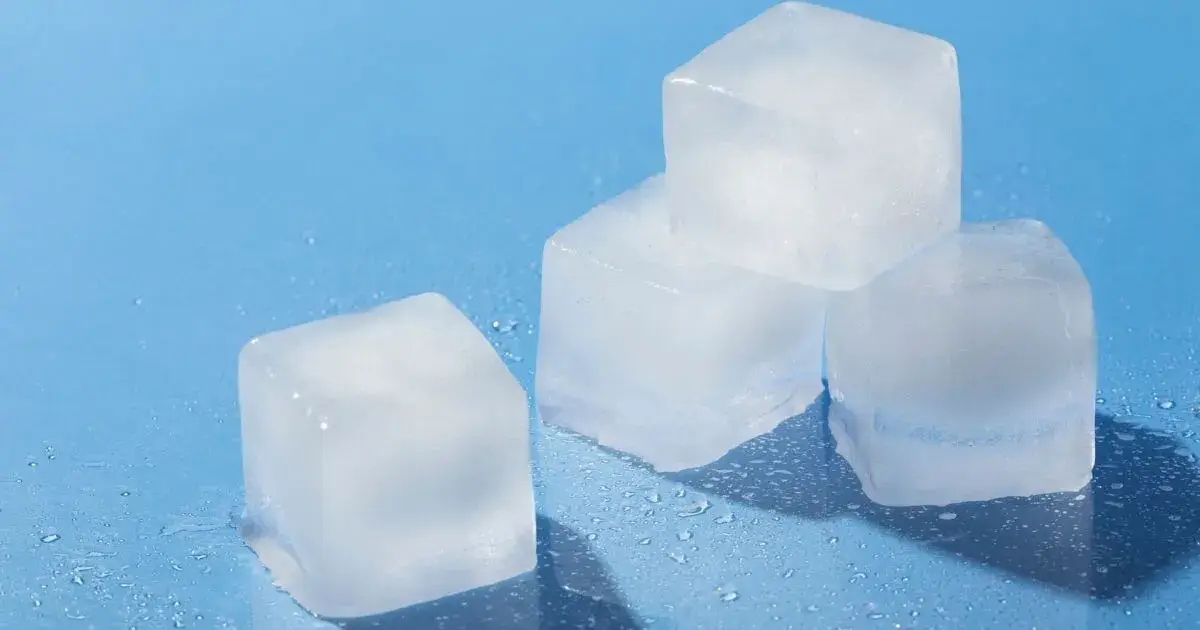
Lately, the “ice cube hack” has been making waves in weight loss circles.
The idea is simple—consume ice or super-cold drinks, and your body works harder to warm up, supposedly burning extra calories in the process.
Sounds intriguing, right? But does it actually work, or is it just another internet trend?
Understanding the “Ice Cube Hack”
The ice cube hack is based on a simple concept: consuming ice or very cold drinks forces your body to generate heat, which requires energy—potentially increasing calorie burn.
Some believe this small metabolic boost could contribute to weight loss over time.
The idea isn’t new. It comes from the broader theory of cold thermogenesis, where exposure to cold temperatures activates brown fat (a type of fat that burns calories to generate heat).
Athletes and biohackers have experimented with cold plunges and ice baths for similar reasons, but the ice cube hack is a much simpler version—just eat or drink something cold and let your body do the work.
The Science Behind Cold Exposure and Metabolism
When your body is exposed to cold—whether through weather, cold water, or ice consumption—it has to work harder to maintain its core temperature.
This process, called thermogenesis, requires energy, meaning your body burns calories to generate heat.
One key player in this process is brown adipose tissue (brown fat).
Unlike regular fat, which stores energy, brown fat is metabolically active—it burns calories to produce heat.
Studies show that cold exposure can activate brown fat, increasing calorie expenditure.
However, the extent of this effect depends on the intensity and duration of cold exposure.
While activities like cold plunges or wearing ice packs can trigger a measurable response, simply consuming ice cubes has a much smaller impact.
The energy required to warm up a glass of ice water, for example, is minimal—around 5 to 10 extra calories per cup.
That’s hardly enough to make a real difference in weight loss.
Does Cold Exposure Really Boost Metabolism?
Scientific studies have explored the connection between cold exposure and metabolism, particularly through brown fat activation.
Here’s what the research reveals:
- Cold Exposure and Brown Fat Activation: A study published in The Journal of Clinical Investigation found that exposure to cold (such as sitting in a 66°F/19°C room for several hours) activated brown fat and increased calorie burn by up to 15%. However, this effect was observed with prolonged cold exposure, not just consuming cold food or drinks.
- Cold Water and Energy Expenditure: Research in The Journal of the American Medical Association (JAMA) suggested that drinking 500ml (about 17 oz) of ice water could burn an extra 25 calories, as the body warms the water to body temperature. However, to burn even one pound of fat, you’d need to drink over 140 glasses of ice water—an impractical approach for weight loss.
- Cold Showers and Metabolism: Another study in PLOS ONE indicated that short-term cold exposure, such as cold showers or ice baths, could increase metabolic rate slightly but not enough to significantly impact long-term weight loss.
What This Means for the Ice Cube Hack
While cold exposure can stimulate metabolism, the effect from simply consuming ice cubes is minimal.
The body burns a few extra calories, but not enough to make a meaningful difference in weight loss.
Sustainable fat loss still comes down to diet, exercise, and overall lifestyle habits.
Evaluating the Effectiveness of the “Ice Cube Hack”
The idea of using ice cubes to burn extra calories might sound appealing, but what does science say?
Let’s break down its effectiveness based on research and expert insights.
What Research Says About Cold Foods and Weight Loss
Studies have shown that drinking cold water burns a small amount of extra calories, around 25 calories per 500ml (17 oz) as the body warms the liquid to body temperature.
However, when it comes to solid cold foods like ice cubes, the calorie burn is even lower.
There’s no strong evidence that eating ice alone leads to significant weight loss.
Cold exposure can activate brown fat, which does increase calorie burn.
But experts agree that simply eating ice cubes isn’t enough to trigger this effect in a meaningful way.
Whole-body cold exposure (like cold showers or ice baths) has been studied more extensively and shows modest metabolic benefits, but even these are not a substitute for diet and exercise.
Expert Opinions on the Ice Cube Hack
- Dr. Aaron Cypess, an endocrinologist and researcher on brown fat, explains that while cold exposure can increase calorie burn, the effect from consuming cold foods is too small to be a practical weight-loss strategy.
- Registered dietitians generally emphasize that weight loss comes from a calorie deficit, achieved through balanced eating and exercise, rather than relying on minor metabolic tricks.
Potential Benefits and Limitations
Possible Benefits:
- Drinking cold water can encourage hydration, which is essential for metabolism and appetite regulation.
- Chewing ice may help curb cravings or serve as a low-calorie alternative to snacking.
- Cold exposure can slightly increase calorie burn, but more effective methods exist.
Limitations:
- The calorie-burning effect is too small to drive meaningful weight loss.
- Eating excessive ice can damage teeth and, in rare cases, signal an iron deficiency (pica).
- It doesn’t replace proper diet, exercise, and other proven weight-loss methods.
Safety Considerations and Potential Risks
While consuming ice cubes seems harmless, there are some potential risks to consider—especially if done excessively or by individuals with certain health conditions.
1. Digestive Issues from Cold Foods
Eating or drinking extremely cold substances can cause:
- Stomach discomfort – Cold foods may slow digestion, leading to bloating or mild cramping in sensitive individuals.
- Brain freeze (sphenopalatine ganglioneuralgia) – Rapid consumption of ice-cold items can trigger a sharp headache.
- Acid reflux aggravation – Some experts suggest that very cold foods may worsen acid reflux symptoms in certain individuals.
2. Risks of Extreme Cold Exposure
Although eating ice cubes won’t cause serious cold exposure issues, other extreme cold-related methods—such as ice baths—carry risks:
- Cold shock – Sudden exposure to very cold temperatures can lead to rapid breathing, increased heart rate, and dizziness.
- Hypothermia – Prolonged exposure to extreme cold can dangerously lower body temperature. This isn’t a risk from eating ice cubes but applies to those experimenting with full-body cold exposure for fat loss.
3. Who Should Be Cautious?
Certain individuals should avoid excessive ice consumption:
- People with sensitive teeth – Frequent exposure to ice can wear down enamel and cause pain.
- Those with anemia (especially iron deficiency) – Craving or chewing ice (a condition called pagophagia) can be a sign of iron deficiency.
- Individuals with digestive issues – Those prone to acid reflux or slow digestion may experience discomfort from cold foods.
Final Safety Recommendations
- Moderation is key – Eating ice occasionally is fine, but relying on it as a weight-loss method isn’t practical or effective.
- Be mindful of oral health – Chewing ice can cause dental damage over time.
- Cold exposure should be controlled – If experimenting with cold therapy (such as ice baths), do so gradually and under safe conditions.
Alternative Evidence-Based Weight Loss Strategies
While the ice cube hack has minimal impact, proven strategies can help with real, long-term weight management.
Instead of relying on small calorie burns from cold exposure, here are science-backed methods that work:
1. Prioritize a Balanced Diet
- Focus on whole, nutrient-dense foods like lean proteins, fiber-rich vegetables, healthy fats, and complex carbs.
- Increase protein intake to support metabolism and reduce hunger.
- Limit processed foods and added sugars, which contribute to weight gain and energy crashes.
2. Stay Active with Regular Exercise
- Strength training builds muscle, which burns more calories at rest.
- Cardio workouts like walking, running, or cycling help maintain a calorie deficit.
- NEAT (Non-Exercise Activity Thermogenesis)—small activities like standing, fidgeting, or taking the stairs—can add up over time.
3. Get Enough Sleep and Manage Stress
- Sleep deprivation disrupts hunger hormones, increasing cravings for high-calorie foods. Aim for 7–9 hours per night.
- Chronic stress raises cortisol levels, which can lead to fat storage, especially around the belly. Stress management techniques like meditation, deep breathing, or regular movement help maintain hormonal balance.
4. Hydrate and Support Digestion
- Drinking enough water can reduce hunger and improve metabolism.
- High-fiber foods (like fruits, vegetables, and whole grains) support gut health and digestion, preventing bloating and overeating.
5. Seek Professional Guidance
- For personalized advice, consult a registered dietitian or healthcare provider.
- They can help create a tailored plan based on individual health needs, metabolism, and lifestyle—something a viral hack can’t replace.
Conclusion
The idea of using ice cubes for weight loss sounds simple, but the science behind it is weak.
While consuming cold foods or drinks burns a small number of calories, the effect is too minor to contribute to meaningful fat loss.
Research shows that cold exposure can activate brown fat, but eating ice cubes alone won’t lead to significant metabolic changes.
Instead of relying on viral weight-loss hacks, sustainable and science-backed methods—such as a balanced diet, regular exercise, quality sleep, and stress management—are the real keys to achieving long-term success.
Approach trendy weight-loss tricks with caution, and always prioritize proven strategies.
If you’re serious about weight management, consulting a healthcare professional or registered dietitian is the best way to create a personalized, effective plan.
At the end of the day, there’s no shortcut to lasting results—just smart, sustainable habits that truly work.