
Salt and Ice Weight Loss Recipe: Does It Work?
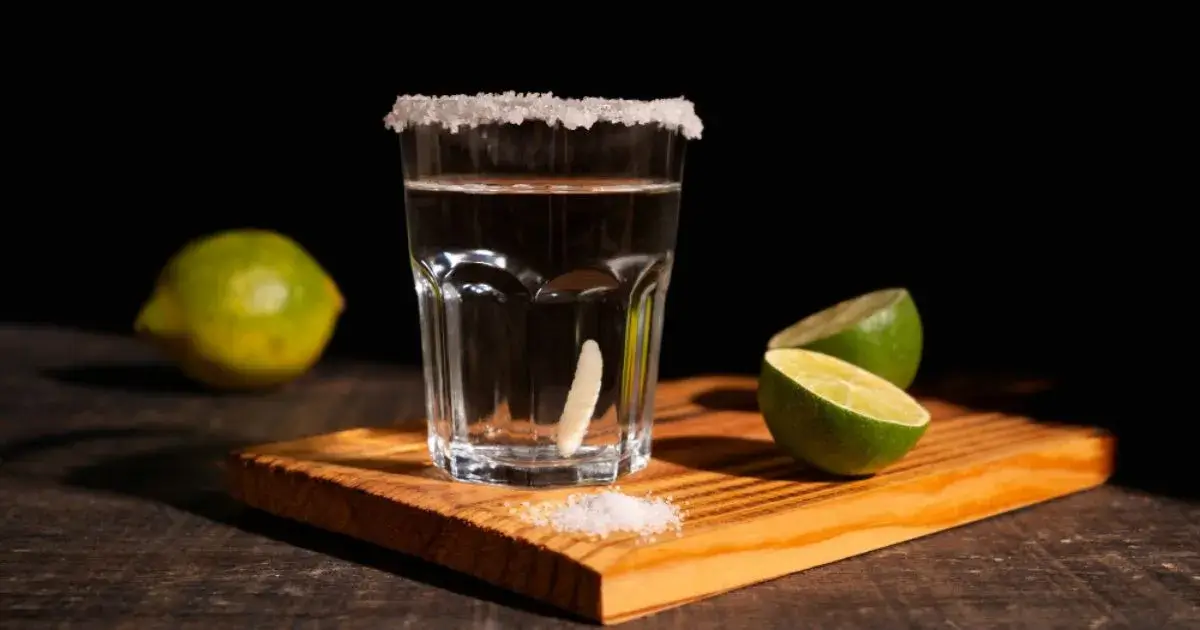
There’s always a new health trend catching fire online—and right now, it’s the “salt and ice weight loss recipe.”
You’ve probably seen it on TikTok or floating around wellness blogs.
The idea sounds simple: combine salt and ice in a drink or apply them to your skin to supposedly shed fat fast.
It’s the kind of hack that spreads fast—because it sounds easy.
But here’s the thing: just because something goes viral doesn’t mean it’s safe or effective.
What Is the Salt and Ice Weight Loss Recipe?
The so-called “salt and ice weight loss recipe” has taken over wellness corners of the internet, especially TikTok.
At first glance, it seems harmless—a simple mix of cold water or ice, a pinch of Himalayan pink salt (sometimes sea salt), and optional extras like lemon, apple cider vinegar, or honey.
Supporters of the trend claim it helps with fat burning, digestion, and energy levels.
Its rise in popularity is easy to trace.
Social media thrives on quick fixes, and this blend checks all the boxes: minimal ingredients, easy to make, and widely marketed as a “detox” or “metabolism booster.”
The trend taps into a larger movement in the wellness community that favors natural, homemade remedies—whether or not they’re supported by real science.
Common Variations You’ll See Online:
- Drinking salted ice water: Usually first thing in the morning, often paired with lemon or ACV.
- Applying salt and ice to the skin: Claimed to “melt fat” or tighten targeted areas.
- Mixing pink salt with cold drinks: Some versions replace meals or are taken before workouts.
Ingredients and Their Benefits
While the salt and ice weight loss recipe seems simple, each ingredient is often linked to health benefits—some more substantiated than others.
Here’s a closer look at what’s typically used and what these ingredients actually do.
Himalayan Pink Salt or Sea Salt
This isn’t just table salt. Himalayan pink salt and sea salt contain trace minerals like magnesium, potassium, and calcium.
These minerals help regulate electrolyte balance, support hydration, and may assist in muscle function and metabolism—especially after sweating or fasting.
However, overconsumption of salt can be harmful, so portion control matters.
Ice or Cold Water
Drinking cold water forces your body to work slightly harder to bring the liquid up to core temperature—a process called thermogenesis.
While the calorie burn is modest, it’s real.
Cold water can also make you feel fuller and help prevent unnecessary snacking throughout the day.
Lemon (Optional)
Lemon juice adds a hit of vitamin C and antioxidants.
It’s also known to stimulate digestive enzymes and slightly suppress appetite, especially when consumed in the morning.
Plus, it adds flavor without adding sugar.
Honey (Optional)
Used sparingly, honey adds natural sweetness and provides a quick energy boost.
It also satisfies sugar cravings in a cleaner way than processed snacks—though it’s still a source of calories and should be used in moderation.
Apple Cider Vinegar (Optional)
ACV contains acetic acid, which has been shown to help regulate blood sugar levels and improve metabolism.
It may also promote a feeling of fullness, reducing overall calorie intake.
Also, ACV supports digestion by encouraging stomach acid production and healthy gut bacteria balance.
How Does the Salt and Ice Recipe Support Weight Loss?
On its own, this recipe isn’t a miracle cure—but the way its ingredients interact with the body can support certain aspects of weight management.
Here’s how it works:
Electrolyte Balance
Salt—especially mineral-rich Himalayan pink salt—helps maintain proper electrolyte levels.
This is crucial for nerve signaling, muscle function, and hydration.
When your electrolytes are balanced, your metabolism runs more efficiently, and you’re less likely to feel fatigued during workouts or daily activity.
Mild Thermogenesis
Drinking ice-cold water can slightly boost your calorie burn.
This happens because the body expends energy to raise the liquid’s temperature to match your core body heat.
While the effect is modest, it contributes to overall calorie expenditure throughout the day.
Appetite Control
Staying hydrated is one of the simplest ways to prevent unnecessary snacking.
Add a small amount of salt, and you also support adrenal and mineral balance, which can help curb cravings—especially for salty or sugary snacks.
Some people find that starting the day with this drink keeps hunger in check longer.
Digestive Health
Salt and lemon are both known to stimulate digestive enzymes and bile flow.
This can support smoother digestion and more regular bowel movements—both of which are linked to better nutrient absorption and weight regulation over time.
Salt and Ice Weight Loss Recipe
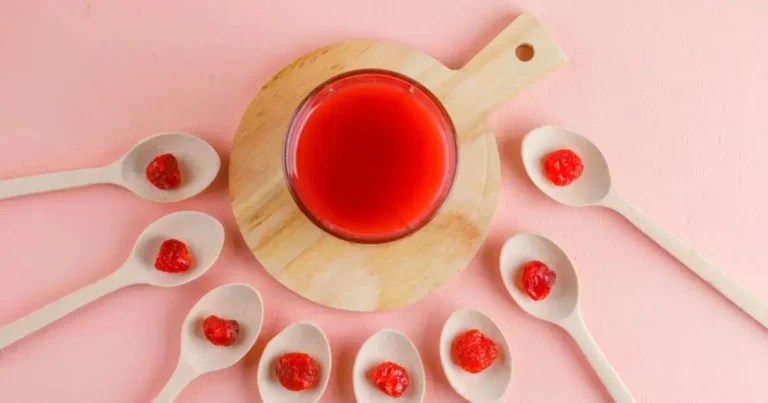
If you’re curious to try the drinkable version of this trend, here’s a simple way to prepare it at home using commonly recommended ingredients.
Ingredients
- 2 cups cold filtered water (or crushed ice)
- ¼ teaspoon Himalayan pink salt (or sea salt)
- Juice of ½ a lemon (optional)
- 1 teaspoon raw honey (optional)
Instructions
- Pour the cold water or ice into a glass.
- Add the salt and stir well until it dissolves completely.
- Squeeze in the lemon juice and add honey if you’re using them.
- Stir again and sip slowly.
When to drink:
For best results, drink it first thing in the morning on an empty stomach, or about 15–20 minutes before a meal.
This timing may support digestion, reduce cravings, and help with portion control.
Potential Risks and Side Effects
While the salt and ice weight loss drink might seem harmless, it’s not without risks—especially when used excessively or without understanding how it affects the body.
Gastrointestinal Discomfort
Drinking too much ice-cold water—especially on an empty stomach—can cause bloating, cramping, or digestive slowdown in some people.
Cold liquids can temporarily constrict blood vessels in the stomach, which may interfere with digestion.
Dehydration and Electrolyte Imbalance
Salt in small amounts helps maintain hydration, but too much can do the opposite.
High sodium intake without enough water can actually lead to dehydration, increased thirst, or even swelling (water retention).
It may also raise blood pressure over time in sensitive individuals.
Science Behind the Trend
The salt and ice weight loss recipe taps into a few real physiological processes—but it’s important to understand what science actually says about them.
Hydration and Electrolyte Balance
Proper hydration is foundational for overall health and weight management.
Electrolytes like sodium, potassium, and magnesium help regulate muscle function, nerve signals, and fluid balance.
Maintaining this balance supports metabolism and physical performance, which can indirectly influence weight loss efforts.
Thermogenesis: Real but Modest
Drinking cold water or consuming ice does trigger thermogenesis—your body burns calories to warm the liquid to body temperature.
However, the calorie burn is small, often estimated at just a few extra calories per glass.
While it contributes to daily energy expenditure, it’s far from a weight loss shortcut on its own.
Gut Health and Digestion
Digestive health plays a key role in weight regulation. Ingredients like salt and lemon juice can stimulate digestive enzymes and bile production, promoting smoother digestion and regular bowel movements.
Good digestion helps your body absorb nutrients efficiently and may reduce bloating—a factor that can influence how your weight feels day-to-day.
Safer and Effective Alternatives
While the salt and ice recipe catches attention, sustainable weight loss depends on tried-and-true habits that support overall health.
Balanced Diet and Regular Exercise
No quick fix replaces a balanced diet rich in whole foods—fruits, vegetables, lean proteins, and whole grains—paired with regular physical activity.
This combo fuels your metabolism, builds muscle, and burns fat effectively over time.
Consult Healthcare Professionals
Before trying any new diet trend or supplement, it’s important to talk with a healthcare provider or registered dietitian.
They can help you create a plan tailored to your health needs and goals, avoiding unnecessary risks.
Mindful Eating and Hydration
Listening to your body’s hunger and fullness cues, choosing nutrient-dense foods, and staying properly hydrated are powerful tools for weight management.
Drinking plain water regularly supports metabolism without the risks that come with excessive salt or extreme diets.
Conclusion
The salt and ice weight loss recipe offers some potential benefits.
Staying hydrated, a slight boost in metabolism from cold water, better appetite control, and improved digestion are all helpful for weight management.
However, these effects are modest and vary from person to person.
This drink alone won’t lead to significant or lasting weight loss.
Sustainable results come from a holistic approach—balanced nutrition, regular exercise, and healthy lifestyle habits.
Use trends like this as a small part of your routine, not a replacement for proven strategies.