
Dr Oz Pink Gelatin Trick Recipe: Ingredients and Facts
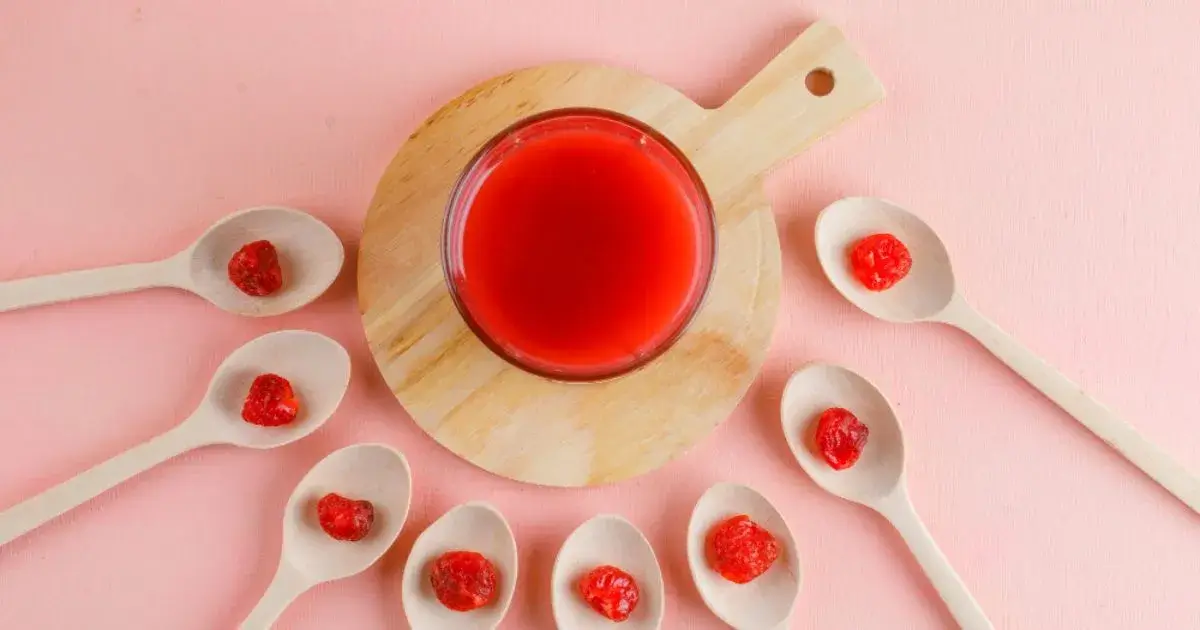
The pink gelatin trick usually means unflavored gelatin mixed with hot water and a pink liquid or flavoring, then used before meals or as a low-calorie snack.
Despite the search term, there is no verified evidence that Dr. Oz created or endorsed a specific pink gelatin weight-loss recipe. The phrase is mostly a viral label attached to a social-media trend.
That is why the search results are messy: some pages talk about a simple recipe, while others are reacting to celebrity ads and scam funnels that use his name. Most people searching this query want the actual ingredients first.
Below, you’ll get the common recipe version, how it relates to the standard 3-ingredient gelatin trick, and what gelatin may or may not do for fullness.
What Is the Pink Gelatin Trick?
The “pink gelatin trick” is a viral wellness trend where unflavored gelatin is mixed with water or pink juice and eaten before meals or between meals.
It’s promoted as a low-calorie way to feel fuller, slow eating, and replace processed snacks with something simple and controlled.
Despite frequent claims online, Dr. Oz has not officially endorsed or published a specific “pink gelatin trick.”
That connection appears to come from recycled clips, vague appetite-control discussions, and viral exaggeration—not a verified recommendation or clinical protocol.
Traditional Pink Gelatin Recipe (Step-by-Step)
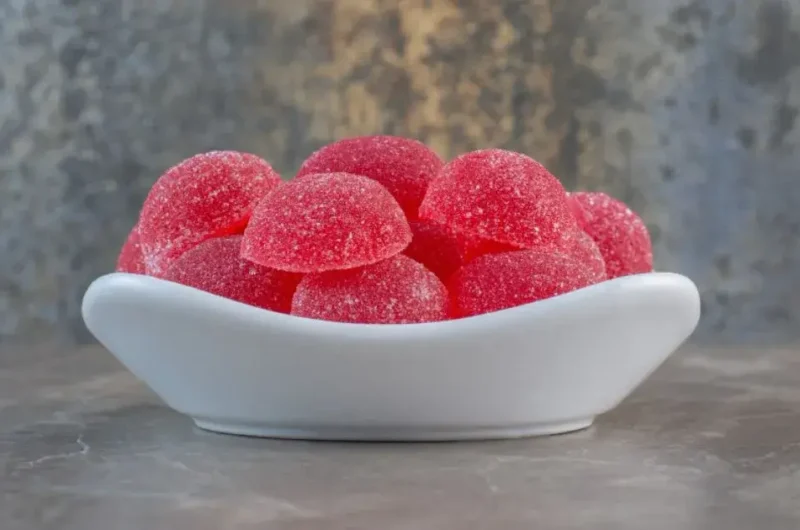
Dr Oz Pink Gelatin Trick Recipe
Servings
1
servingsPrep time
5
minutesCooking time
5
minutesCalories
35–45
kcalProtein
6–7
gramsChill time
1
HourIngredients
Unflavored gelatin powder (1 packet or ~1 tablespoon)
Cranberry or pomegranate juice (½ cup, for color and light flavor)
Water (½ cup cold + ½ cup hot)
- Optional additions
Fresh lemon juice (a squeeze for acidity)
A tiny pinch of salt (to balance flavor)
Unsweetened herbal tea instead of water (chamomile or hibiscus are popular)
Directions
- Bloom the gelatin - Add gelatin powder to cold water and let it sit undisturbed for about 5 minutes. This step is critical—it prevents clumping and ensures a smooth texture.
- Dissolve fully - Pour in hot water or warm juice and stir until the gelatin is completely dissolved. The mixture should be clear and lump-free.
- Add color and flavor - Stir in cranberry or pomegranate juice. Taste and adjust with lemon or a pinch of salt if desired.
- Serve or set - Warm version: Drink immediately, often consumed before meals. Chilled version: Refrigerate for 1–2 hours until set into a soft gel
Notes
- This recipe is best viewed as a low-calorie ritual or filler, not a nutritional replacement or medical solution.
- Its popularity comes from simplicity—not from proven weight-loss science.
Why People Are Trying It
The pink gelatin trick isn’t going viral because it promises miracles. It’s catching on because it fits neatly into how people want to eat right now—simple, controlled, and intentional.
Appetite control before meals
One of the biggest reasons people try this is the idea of feeling fuller before eating.
Gelatin absorbs liquid and adds volume with very few calories, which can slow down how quickly someone eats.
For some, that pause is enough to reduce overeating—especially during large or rushed meals.
Low-calorie, low-effort snack
Compared to packaged snacks, pink gelatin feels almost minimalist. It’s inexpensive, requires only a few ingredients, and delivers structure without excess sugar or fat.
That makes it appealing to people who want something between meals without opening the door to mindless snacking.
A calm, mindful ritual
Beyond food, this trend taps into a broader mindful-eating movement online. Preparing gelatin, waiting for it to bloom or set, and consuming it slowly creates a small ritual.
In a feed full of extreme diets and aggressive hacks, this one feels gentle—and that tone matters. Still, it’s worth emphasizing: this habit supports awareness, not weight loss on its own.
Any benefit comes from behavior changes around eating, not from gelatin acting as a metabolic shortcut.
Nutrition & Science: What Gelatin Actually Does
Gelatin is protein—but it’s a limited one. At its core, gelatin is derived from collagen and provides a small amount of protein per serving.
It contains amino acids like glycine and proline, which play roles in connective tissue health.
However, it’s not a complete protein and doesn’t supply all essential amino acids needed for muscle building or metabolic support.
That distinction matters. Gelatin can contribute to satiety, but it doesn’t function like higher-quality protein sources (such as eggs, yogurt, or legumes) when it comes to long-term nutritional impact.
Why people feel fuller—but don’t necessarily lose fat
Gelatin’s main effect is mechanical fullness. When mixed with liquid, it adds volume in the stomach with very few calories.
This can trigger short-term satiety signals and help some people eat more slowly or consume slightly smaller portions.
What it does not do:
- It does not increase fat burning
- It does not boost metabolism
- It does not directly cause weight loss
Current evidence around gelatin and appetite is limited and indirect.
Any observed benefit comes from behavioral changes—like reduced snacking or more mindful meals—not from gelatin altering hormones or energy expenditure in a meaningful way.
Separating Fact From Buzz
When a wellness trend spreads fast, clarity matters more than hype.
The pink gelatin trick is a good example of how simple habits can get overstated online.
Myth vs. reality
Despite how it’s framed in short-form videos, this is not a scientifically proven weight-loss cure.
There are no high-quality clinical trials showing that gelatin—pink or otherwise—causes fat loss, resets metabolism, or leads to sustained weight reduction on its own.
Any changes people report are typically tied to reduced calorie intake, not a biological effect of gelatin.
The Dr Oz name confusion
A major source of confusion is the repeated use of Dr. Oz in viral captions and search results.
While Dr. Oz has discussed general concepts like protein intake, portion control, and appetite awareness in the past, there is no verified source showing he introduced or endorsed a specific “pink gelatin trick” recipe.
The name persists because it boosts clicks—not because it reflects authorship or medical guidance. Other names get attached the same way, including the Jillian Michaels gelatin recipe and the Mark Hyman gelatin trick.
What experts actually agree on
Nutrition professionals generally view gelatin as neutral:
- It may help short-term hunger management due to volume and texture
- It can support mindful eating habits when used intentionally
- It does not directly drive weight loss or fat reduction
In practical terms, gelatin can be part of a structured routine, but it works only insofar as it helps someone eat more deliberately.
That’s the real takeaway—quiet, behavioral influence, not a dramatic physiological effect.
Safety & Practical Tips
Used thoughtfully, the pink gelatin trick is generally low-risk—but context and moderation matter.
Best time to consume
Most people use gelatin shortly before meals, often 10–20 minutes ahead. That timing aligns with its intended purpose: slowing down eating and reducing the urge to overeat.
It should not replace a meal or be used to skip proper nutrition. Gelatin adds volume, not balanced nutrients.
Who should check first
While gelatin is widely tolerated, certain individuals should consult a healthcare professional before making it a routine:
- People with digestive conditions or difficulty tolerating protein supplements
- Anyone with food allergies or sensitivities, especially to animal-derived products
- Individuals managing chronic medical conditions or taking appetite-affecting medications
- Anyone who has had weight-loss surgery (see our bariatric gelatin recipe)
Pregnant or breastfeeding individuals should also prioritize medical advice over viral trends.
Portion control & sugar awareness
More is not better. One small serving is enough to test tolerance and effect. For a safe daily amount, see how much gelatin a day.
Overuse can lead to digestive discomfort and false satiety that crowds out real nutrition. Also, watch the liquid you choose. Many viral versions rely on sweetened juices, which can quietly add sugar and calories.
Using diluted juice, unsweetened juice, or herbal tea keeps the recipe aligned with its intended low-calorie purpose.
Conclusion
The pink gelatin trick works because it feels doable: it’s cheap, easy, and fits into low-effort, mindful routines. The recipe is simple, the habit is easy to test, and it looks great on social media.
What it can help with is awareness—slowing meals, reducing impulsive snacking, and creating a pause before eating.
What it can’t do is replace nutrition basics. It’s not a fat-loss hack, metabolism booster, or a stand-in for balanced meals. If you’re curious, try it as intended: small portions, simple ingredients, realistic expectations.
Notice how it affects your habits, not just the scale. And if you test it, share your experience—real-world insights matter more than viral claims.