
Doctors Won’t Tell You This Bariatric Seed Trick
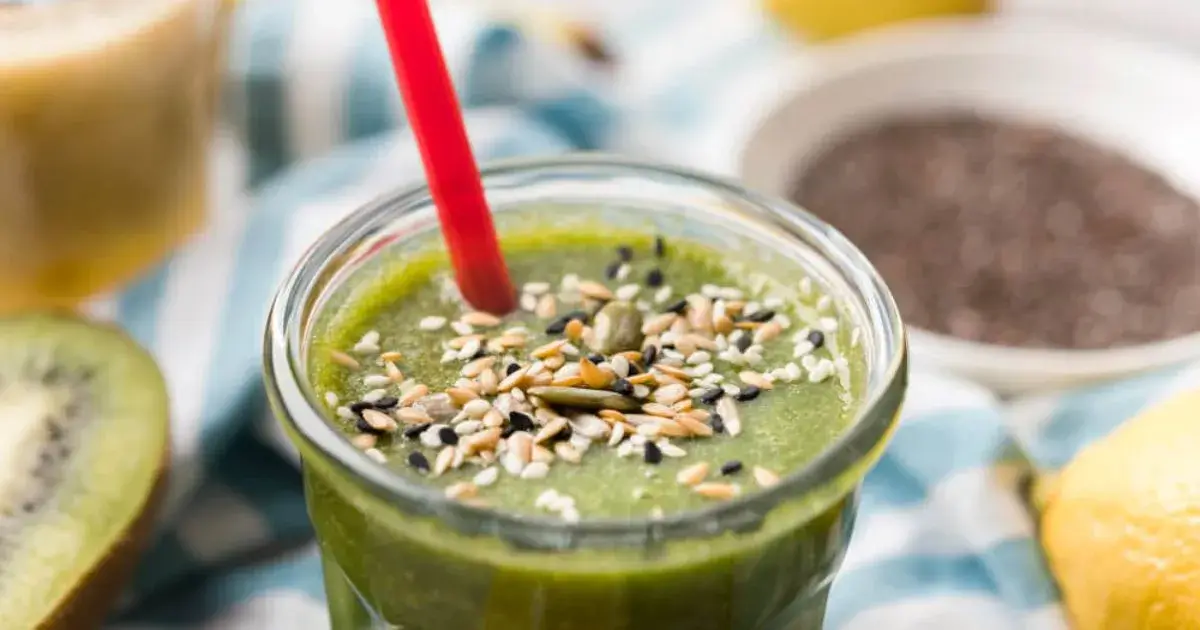
Seeds like chia, flax, hemp, and pumpkin are packed with fiber, healthy fats, and essential nutrients—but they’re not magic bullets for weight loss.
While incorporating them into your routine can support better digestion and satiety, relying on viral trends alone isn’t a sustainable or evidence-backed approach.
The Bariatric Seed Trick may be trending, but real results still come from balanced eating habits, movement, and consistency. If you are post-surgery and want something with real protein in it, the bariatric gelatin recipe fits the liquid stages better.
It’s always worth pausing before jumping on the next wellness wave—and asking: Is there real science behind it?
Origins & Evolution of the Trend
The Bariatric Seed Trick didn’t originate in medical journals—it took off on social media.
TikTok and Instagram are flooded with videos of users mixing seeds into water, stuffing them into cucumbers, or blending them with mashed green bananas.
These DIY concoctions are promoted as detox hacks, gut cleansers, or appetite suppressants.
As the trend gained momentum, commercial brands jumped in. Supplements like GutDrops Keto Drops, marketed as the “liquid version” of the seed routine, quickly appeared.
These products are often promoted alongside the seed trick as weight-loss boosters—despite a lack of clinical evidence supporting their claims.
Seed Essentials: Nutritional Powerhouses
At the core of the bariatric seed trend are four heavy-hitting superfoods: chia seeds, flaxseeds, hemp seeds, and pumpkin seeds. Each of these seeds brings real nutritional benefits—backed by science, not social media hype.
- Chia Seeds: Rich in soluble fiber and omega‑3 fatty acids. When soaked, they form a gel-like texture that slows digestion, supports gut health, and increases feelings of fullness. Just 2 tablespoons provide about 10 grams of fiber.
- Flaxseeds: Packed with lignans (a type of antioxidant), fiber, and ALA (alpha-linolenic acid). Flax helps stabilize blood sugar, reduce inflammation, and improve digestion when ground before consumption.
- Hemp Seeds: A complete protein source—containing all nine essential amino acids. Also high in magnesium and healthy fats, which support metabolic function and energy balance.
- Pumpkin Seeds: Loaded with magnesium, zinc, and protein. These seeds help regulate blood sugar and may support insulin sensitivity when part of a balanced diet.
Together, these seeds offer a legitimate nutritional foundation. They support gut health, aid appetite regulation, and promote stable energy levels throughout the day.
How the “Trick” Is Performed
Despite its name, the Bariatric Seed Trick isn’t a magic formula—it’s more of a morning or pre-meal ritual.
The most common version involves a simple mixture of soaked flax and chia seeds, often combined with water, lemon juice, or unsweetened almond milk.
After soaking for 15–30 minutes, the mixture thickens into a gel that’s consumed before meals to promote satiety and reduce overeating.
Some users add spices like cinnamon or apple cider vinegar, while others blend it with fiber-rich fruits like green banana.
The goal is to create a fiber-dense gel that expands in the stomach and slows digestion—helping you feel full, longer.
Then there’s the supplemental spin. Brands like GutDrops have entered the picture, encouraging users to pair a few drops of their liquid product with the seed blend.
This version is marketed as a two-part ritual: “drops + seeds before meals” for better appetite control. However, it’s important to note that no clinical trials currently validate this combined approach.
Bariatric Seed Trick Recipe
If you’re curious to try the bariatric seed trick, here’s a basic recipe using whole, natural ingredients—no gimmicks, no supplements.
Ingredients:
- 1 tablespoon chia seeds
- 1 tablespoon ground flaxseeds
- 1 cup water (or unsweetened almond milk)
- Optional: a squeeze of lemon juice or a dash of cinnamon for flavor
Instructions:
- Mix the chia and flaxseeds in a glass or jar with the water or almond milk.
- Stir well, then let it sit for 15–30 minutes to allow the mixture to thicken.
- Drink the mixture 15–30 minutes before a meal, once it reaches a gel-like consistency.
- For best results, follow with a balanced, whole-food meal—high in protein, moderate in healthy fats.
Why This Works:
- Chia and flax are high in soluble fiber, which expands in your stomach and slows digestion.
- This helps promote satiety, support blood sugar stability, and reduce cravings during meals.
Tip: Always drink plenty of water throughout the day when increasing fiber intake. And if you have digestive issues or are post-bariatric surgery, consult your healthcare provider before trying this.
A Deep Dive: GutDrops and the Pumpkin‑Seed Ritual
The GutDrops Keto Drops supplement has become closely associated with the bariatric seed trick—particularly in short-form videos promoting rapid weight loss. But what exactly is it?
GutDrops is a liquid supplement marketed as a “gut health enhancer” and appetite suppressant. It’s often paired with the bariatric seed routine, especially in videos that combine chia, flax, and pumpkin seeds with a few drops of the product before meals. Some influencers label this combo the “pumpkin-seed ritual.”
What They Claim:
- Suppresses appetite
- Balances gut microbiome
- Supports fat burning and weight loss
- Works quickly when combined with a low-carb or intermittent fasting routine
However, it’s important to separate claims from evidence.
As of now, there are no independent, peer-reviewed studies validating the effectiveness of GutDrops or its synergy with any seed-based pre-meal ritual.
The fast weight-loss testimonials circulating online are anecdotal and largely unverifiable.
Also, product marketing often leans heavily on buzzwords like “bariatric,” despite having no connection to actual bariatric medical protocols.
While the seeds themselves provide proven benefits—fiber, satiety, nutrient density—the drop component remains unsupported by clinical data.
Consumers should approach these supplements with skepticism and consult a healthcare provider before use, especially if managing conditions like diabetes, IBS, or post-bariatric recovery.
Science Check: Does It Really Work?
The nutritional benefits of chia, flax, pumpkin, and hemp seeds are well-established.
These seeds are rich in soluble fiber, which absorbs water and forms a gel-like substance in the stomach.
This slows digestion, promotes fullness, and can help regulate appetite—especially when consumed before meals.
Several clinical studies support these effects for individual seeds like chia and flax, showing modest impacts on satiety and glycemic control.
However, that doesn’t mean the so-called “bariatric seed trick” is a guaranteed weight-loss method.
Here’s the reality:
- There is no direct clinical research proving that combining seeds into a single pre-meal “trick” leads to significant or sustained weight loss.
- Most viral claims online are anecdotal, unverified, or linked to influencer marketing—not peer-reviewed science.
- Weight loss results—if any—are more likely due to increased fiber intake, calorie control, and better eating habits, not from any “hack.”
So yes, seeds are a smart addition to a healthy diet.
But if you’re expecting a miracle from soaking flax and taking drops, you’ll be disappointed.
Use them as a tool—not a shortcut.
Risks, Red Flags & Scam Warnings
Despite its viral popularity, the so-called “bariatric seed recipe” has come under scrutiny.
Investigative reports and consumer alerts have flagged the trend — especially when tied to products like GutDrops — as potentially deceptive.
Here are key red flags to watch out for:
Too-Good-to-Be-True Promises
- Claims of rapid fat loss, instant metabolism boosts, or dropping 10 lbs in a week — all without changing your diet or lifestyle — are classic markers of diet scams.
Fake Experts & Testimonials
- Names like Dr. Fernanda Martin or similar so-called “medical advisors” appear across multiple websites but lack any verifiable credentials.
- Reverse-image searches often reveal that these “experts” are stock photos.
No Scientific Backing
- While seeds like flax and pumpkin do offer health benefits, their use in “hacks” or “tricks” for drastic weight loss lacks peer-reviewed support.
- Often, these claims are not backed by clinical trials.
High-Pressure Sales Tactics
- Pop-ups urging you to “buy now before the deal ends”, fake countdown timers, or testimonials that refresh with each visit are manipulative tools meant to rush your decision.
Vague Ingredient Lists
Many GutDrop-style products hide behind proprietary blends or do not disclose full ingredient information — a major concern for safety and transparency.
Recurring Charges & Refund Issues
Users have reported signing up for “free trials” or “one-time purchases” only to be billed monthly, with limited or no customer support when trying to cancel.
Credible Alternatives
- Add Seeds Naturally: Mix chia, flax, or pumpkin seeds into smoothies, oatmeal, or salads for real health benefits.
- Stick to What’s Proven: Sustainable weight loss = balanced diet + regular exercise + proper sleep.
- Smart Supplement Use: If using any supplement, consult your doctor and check for clinically backed ingredients.
How to Safely Test the Seed Routine
If you’re curious about trying the so-called “bariatric seed trick,” it’s important to take a cautious, health-first approach:
Try a DIY Seed Blend:
- Mix 1 tablespoon each of chia seeds, flaxseeds, pumpkin seeds, and hemp seeds.
- Soak in water or plant-based milk for 10–15 minutes before consuming.
- You can also sprinkle the mix into smoothies, yogurt, or oatmeal for added fiber and nutrients.
Set Realistic Expectations:
- Sustainable weight loss typically happens at a rate of 1–2 pounds per week.
- Seeds alone won’t create dramatic change—but they can support satiety and digestive health when part of a balanced routine.
Monitor Your Body’s Response:
- Pay attention to bloating, gas, or bowel changes.
- If you’re recovering from bariatric surgery, or have a sensitive gut, consult a registered dietitian or healthcare provider before adding fibrous blends or new supplements.
Conclusion
While seeds like chia, flax, and pumpkin offer real nutritional benefits, they aren’t magic bullets for weight loss.
Incorporating them into your routine can support digestion and satiety, but dramatic results require more than a sprinkle of seeds.
For long-term success, focus on a balanced, whole-food diet, regular movement, and evidence-based strategies.
Always approach trends like the “bariatric seed trick” with a critical eye—and consult a qualified professional before making significant changes to your health regimen.