What Are the Two Ingredients to Add to Coffee to Lose Weight?

What are the two ingredients to add to coffee to lose weight? In most versions of the viral trick, they’re cinnamon and MCT oil, or cinnamon and coconut oil. Other versions use lemon juice and honey, or collagen.
None of these pairs melts fat on its own. Cinnamon is the only one with trial evidence for a small weight drop, and the change most clearly linked to weight in large studies is taking sugar out of your cup.
Below is what each ingredient does according to the research, how many calories it adds (from USDA data), and the simple two-ingredient coffee we would actually make.
The two-ingredient coffee combos, compared
Calories are for the add-ins alone, at the amounts shown. Black coffee adds about 2 calories per 8 oz cup.
| The two ingredients | Calories added | What the research shows | Verdict |
|---|---|---|---|
| Cinnamon + MCT oil | 6 kcal for 1 tsp cinnamon, plus the oil (check the label) | Cinnamon: about 1 kg average loss in trials of 12 weeks or more. MCT oil: 0.5 kg more loss than other fats, in trials the authors flagged for commercial bias. | Keep the cinnamon; the oil is optional and still pure fat. |
| Cinnamon + coconut oil | 128 kcal for 1 tsp cinnamon and 1 tbsp coconut oil | Coconut oil did not change body fat in trials and raised LDL cholesterol. | Drop the coconut oil. |
| Lemon juice + honey | 67 kcal for 1 tbsp of each | We found no trials of lemon in coffee for weight loss. Honey is a sugar. | Skip it. |
| Butter + coconut oil (“bulletproof” style) | 223 kcal for 1 tbsp of each | We found no trial showing butter coffee causes fat loss. | Only if it replaces a meal you would otherwise eat. |
| Collagen + cinnamon | Varies by brand, plus 6 kcal for the cinnamon | Protein helps with fullness; no trial has tested this exact drink. | Reasonable if it replaces a sweet creamer. |
| Black coffee + cinnamon | Under 10 kcal per cup | Unsweetened coffee drinkers gained slightly less weight over time; each teaspoon of added sugar was linked with more. | Our pick. |
Where the “two ingredients” idea comes from
The phrase comes from the coffee trend on TikTok often called the coffee loophole, and from ads that promise a morning coffee trick. The versions disagree on the ingredients. Some add cinnamon and MCT oil, some add lemon and honey, and others use collagen, often with a celebrity name attached. We have looked at several of them, including Jennifer Aniston’s collagen coffee, the Jillian Michaels coffee trick and the Kelly Clarkson coffee hack.
Many of these ads end on a supplement sales page. The Federal Trade Commission has warned that scammers use fake celebrity endorsements to sell products, so treat a famous face in a coffee ad as a reason to look closer, not a reason to buy.
Cinnamon: the add-in with the most evidence
A 2020 meta-analysis of 12 randomized trials with 786 adults found cinnamon lowered body weight by about 1 kg on average and waist size by about 2.4 cm compared with placebo. The drop in body fat showed up at 2 g a day or more, taken for at least 12 weeks, and the effect was larger in people with a BMI of 30 or more.
Two grams is about three-quarters of a teaspoon of ground cinnamon, since a teaspoon weighs 2.6 g according to USDA. The trials mostly gave cinnamon as capsules every day, so a sprinkle stirred into coffee is a smaller and less steady dose.
The evidence is not one-sided. A 2019 meta-analysis of cinnamon in people with type 2 diabetes found it lowered fasting blood sugar but did not change body weight, BMI or waist size. The NIH’s National Center for Complementary and Integrative Health sums it up this way: it’s unclear whether cinnamon helps with weight loss, and better research is needed.
The upside is that cinnamon is almost free in calories, about 6 per teaspoon, and the NIH center calls it likely safe in the amounts used in food. So the best case for cinnamon in coffee is not fat burning. It’s flavor that lets you drop the sugar.
MCT oil and coconut oil: a small effect and real calories
A 2015 meta-analysis of 13 trials with 749 adults found that replacing other fats with MCT oil led to about 0.5 kg more weight loss, plus small drops in waist size and body fat. The authors noted commercial bias in the trials and said larger independent studies are needed before anyone can recommend a dose.
That result came from swapping fats, not adding oil on top of your usual diet. Coconut oil adds 121 calories per tablespoon (USDA), and butter adds 102 (USDA). Stir both into a bulletproof-style coffee and you are drinking about 223 calories before breakfast.
There is also a cholesterol cost. A 2020 meta-analysis in the journal Circulation found it raised LDL cholesterol by about 10.5 mg/dL compared with non-tropical vegetable oils, and it did not change body fat.
Lemon juice and honey: no evidence
We found no clinical trial testing lemon juice in coffee for weight loss. Lemon juice has about 3 calories per tablespoon (USDA), so it won’t hurt, but there is no reason to expect it to help either.
Honey is the bigger problem: 64 calories per tablespoon (USDA), four times as many as a teaspoon of white sugar at 16. In a weight-loss coffee, honey works against you.
What coffee itself does for weight
A 2019 meta-analysis of 13 randomized trials with 606 people found that caffeine was linked with modest drops in weight, BMI and body fat, though the results varied a lot between trials.
The most useful real-world data comes from three large cohort studies published in 2023 that followed US nurses and health professionals for more than 20 years. Each extra daily cup of unsweetened coffee was linked with 0.12 kg less weight gain over four years.
Each teaspoon of sugar added to coffee was linked with 0.09 kg more, which cancelled out the benefit. Adding cream or non-dairy creamer was not linked with weight change.
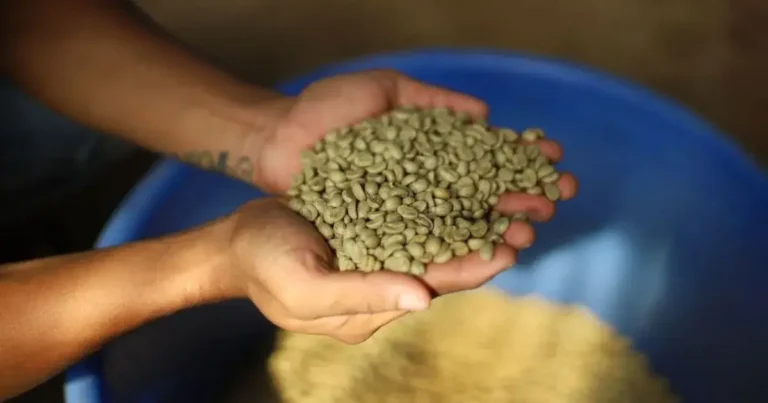
These are associations, not proof, and the amounts are small. Still, they point the same way as the calorie math: what you leave out of your coffee matters more than what you add. If you are curious about coffee in pill form, we also looked at green coffee bean extract.
The two-ingredient coffee we would actually make
- Brew 8 to 12 oz of coffee, hot or iced.
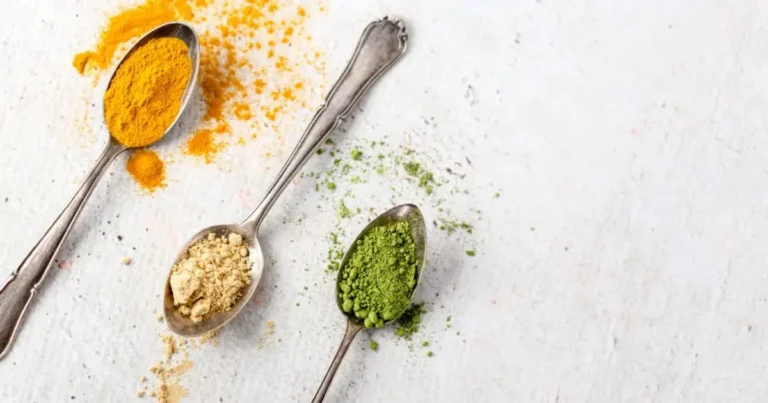
- Stir in half to three-quarters of a teaspoon of ground cinnamon. For daily use, choose Ceylon cinnamon, which has only trace amounts of coumarin.
- Want it creamy? Add a splash of milk instead of sugar or a flavored creamer.
- Drink it with a breakfast that has some protein, not instead of breakfast.
That cup has under 10 calories. A coffee with 2 teaspoons of sugar and 2 tablespoons of half-and-half has about 72, which adds up to roughly 26,000 calories over a year of one cup a day. Cutting that is the change with the clearest evidence behind it.
Protein is what keeps you full until lunch. A 2015 review in the American Journal of Clinical Nutrition linked higher-protein diets with better appetite control and weight management, which is why protein matters more when you eat less. To see how many calories fit your day, try our TDEE calculator.
FAQs
Does cinnamon in coffee burn belly fat?
No ingredient targets belly fat. In trials, cinnamon reduced waist size by about 2.4 cm on average, but at around 2 g a day for 12 weeks or more, usually from capsules.
Is MCT oil in coffee good for weight loss?
Only if it replaces other fat you would have eaten. Added on top of your normal diet, it is extra calories, and the trials behind MCT oil were small and partly industry funded.
What is the 7-second coffee loophole?
It’s a social media trend claiming that drinking a coffee mix quickly when you feel hungry curbs appetite. We break it down in the coffee loophole.
How much coffee should I drink a day to lose weight?
There’s no proven amount. Stay within the FDA’s 400 mg of caffeine a day, and keep the cups unsweetened, since sugar was linked with more weight gain over time.
Does lemon in coffee help you lose weight?
We found no study showing it does. It adds almost no calories, so it’s harmless, but it isn’t a fat burner.
What can I put in my coffee instead of sugar?
Cinnamon is the simplest swap at about 6 calories a teaspoon. For more ideas, see what to put in your coffee to lose weight, the full list of coffee hack ingredients, or turmeric in coffee.
Conclusion
- Caffeine: the FDA cites 400 mg a day as an amount not generally linked with negative effects for most adults, about two to three 12-ounce cups of coffee. Sensitivity varies, so cut back if you get jittery or can’t sleep.
- Cassia cinnamon: it contains coumarin, which has been linked to liver problems. The NIH center says regular food amounts rarely cause trouble, but people with liver disease should be careful with long-term use.
- Medicines: the NIH center advises anyone taking medicine to talk with their doctor before using cinnamon as a supplement.
- Coconut oil: it raises LDL cholesterol, so skip it if your doctor is watching your cholesterol.
Sources
- Tabrizi R, et al. The effects of caffeine intake on weight loss: a systematic review and dose-response meta-analysis of randomized controlled trials. Critical Reviews in Food Science and Nutrition, 2019.
- Henn M, et al. Changes in coffee intake, added sugar and long-term weight gain: results from three large prospective US cohort studies. American Journal of Clinical Nutrition, 2023.
- Mousavi SM, et al. Cinnamon supplementation positively affects obesity: a systematic review and dose-response meta-analysis of randomized controlled trials. Clinical Nutrition, 2020.
- Namazi N, et al. The impact of cinnamon on anthropometric indices and glycemic status in patients with type 2 diabetes: a systematic review and meta-analysis. Complementary Therapies in Medicine, 2019.
- Mumme K, Stonehouse W. Effects of medium-chain triglycerides on weight loss and body composition: a meta-analysis of randomized controlled trials. Journal of the Academy of Nutrition and Dietetics, 2015.
- Neelakantan N, et al. The effect of coconut oil consumption on cardiovascular risk factors: a systematic review and meta-analysis of clinical trials. Circulation, 2020.
- Leidy HJ, et al. The role of protein in weight loss and maintenance. American Journal of Clinical Nutrition, 2015.
- National Center for Complementary and Integrative Health. Cinnamon.
- U.S. Food and Drug Administration. Spilling the Beans: How Much Caffeine Is Too Much?
- Federal Trade Commission. Did a celebrity really endorse that? Maybe not.
- U.S. Department of Agriculture. FoodData Central (SR Legacy entries for coffee, cinnamon, sugar, honey, coconut oil, butter, half-and-half and lemon juice).