

Bariatric Gelatin Recipe for Weight Loss Support
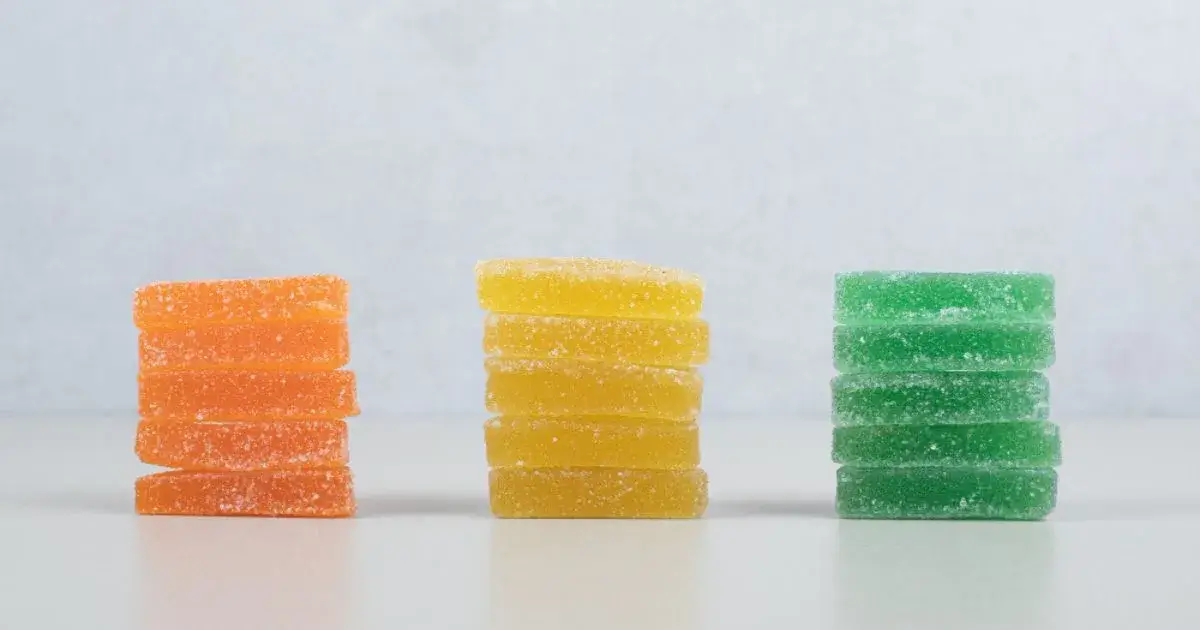
At its core, a bariatric gelatin recipe is a simple, low-calorie preparation used in bariatric-style eating to manage hunger and control portions. That’s why it’s gaining attention.
It fits into a structure where meals are smaller, digestion matters, and satiety becomes the main lever for weight loss.
Here’s the important distinction:
- This is not a fat-burning hack.
- It’s an appetite control tool.
Gelatin doesn’t “melt fat.” It doesn’t speed up metabolism in any meaningful way.
What it can do—when used correctly—is help you feel full sooner, eat less, and stay consistent with a calorie deficit.
What Is the Bariatric Gelatin Trick?
A bariatric gelatin recipe is a low-calorie, protein-based pre-meal drink or dessert designed to help control hunger and reduce calorie intake.
Why gelatin?
It’s not random. It fits specific dietary needs:
- Easy to digest → gentle on the stomach, especially in reduced-portion diets
- Supports portion control → creates early fullness, helping you eat less
- Low calorie density → minimal calories for relatively higher satiety
Bariatric Gelatin Recipe For Weight Loss
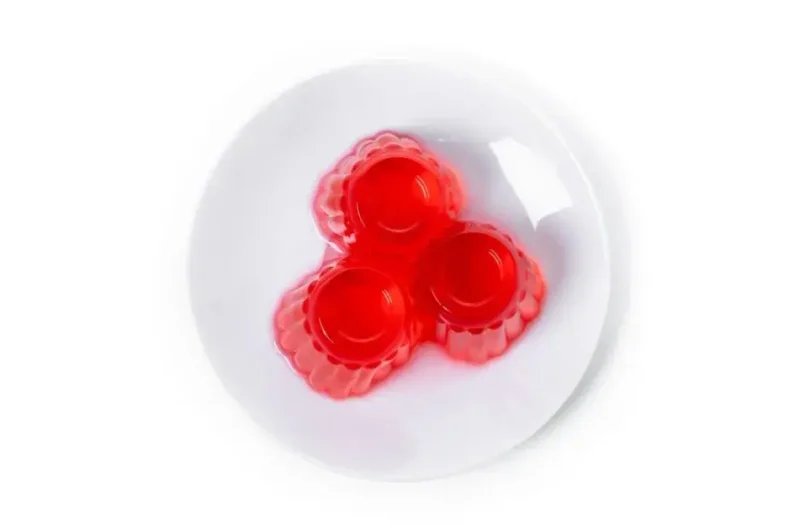
Bariatric Gelatin Recipe for Weight Loss
Servings
4
servingsPrep time
5
minutesCooking time
5
minutesCalories
15
kcalChill Time
2
minutesIngredients
1 tablespoon unflavored gelatin powder
½ cup cold water (for blooming)
½ cup hot water (not boiling)
Optional (use sparingly):
- 1–2 teaspoons fresh lemon juice
A few drops of liquid stevia or ½–1 teaspoon honey
½ teaspoon apple cider vinegar (optional)
Directions
- Bloom the gelatin - Pour the cold water into a bowl. Sprinkle the unflavored gelatin evenly over the surface. Let it sit for 3–5 minutes until it absorbs the water and thickens.
- Dissolve completely - Add the hot (not boiling) water to the bloomed gelatin. Stir gently until fully dissolved and smooth. No granules should remain.
- Add optional flavorings - If using lemon juice, sweetener, or apple cider vinegar, stir them in lightly. Keep flavors subtle.
- Set the gelatin - Pour the mixture into a small glass dish, silicone mold, or ice cube tray.
- Chill - Refrigerate for 2–4 hours, or until fully set.
- Serve - Cut into small cubes or portions. One serving is typically one cube or small square.
Recipe Video
Notes
- Best timing: Consume 15–30 minutes before meals to support fullness and appetite control.
- Portion guidance: Start with 1 serving once daily. Some people tolerate up to 2 servings per day, but more is not better.
- Do not substitute flavored gelatin: Added sugars and artificial flavors can increase cravings and reduce effectiveness.
- Texture matters: If the gelatin doesn’t set properly, it was likely overheated or not bloomed correctly.
- Not a meal replacement: This recipe supports routines—it does not replace balanced meals or protein intake.
How Gelatin Supports Weight Loss
To be clear, gelatin isn’t doing anything “fat-burning.” Its role is simpler—and more practical.
What actually happens in the body
- Forms a gel in the stomach → slows gastric emptying
- This means food stays in your stomach longer, delaying hunger signals.
- Increases satiety (fullness) → reduces overall calorie intake
- You’re more likely to eat less in your next meal without forcing it.
- Protein effect → mild thermogenesis
- Protein requires slightly more energy to digest, but this effect is small, not a primary driver.
What this means in practice
Gelatin works indirectly.
It helps create the conditions for a calorie deficit—it doesn’t create one by itself.
Important clarification
- Does NOT burn fat directly
- Does NOT replace proper diet structure
- Only works if it leads to reduced calorie intake
Who Should Use This?
This isn’t for everyone—and that’s where most content gets it wrong. Used in the right context, it’s effective. Used blindly, it’s pointless.
Ideal for
Bariatric patients (post-surgery diets): Designed for small portions, easy digestion, and controlled intake—this fits naturally into that structure.
People struggling with overeating: If portion control is the issue, this helps create early fullness before meals, reducing excess intake.
Low-calorie diet followers: Useful as a pre-meal strategy or low-calorie snack to stay consistent without feeling deprived.
Not ideal for
Expecting rapid fat loss: This is not a shortcut. No direct fat-loss mechanism exists here.
Replacing meals entirely: Doing this consistently leads to nutritional gaps and poor sustainability.
When & How to Use It
This is where most people either get results—or get nothing. The recipe matters less than how you use it.
Best timing
- 15–30 minutes before meals.
- This gives the gelatin time to expand and increase fullness, so you naturally eat less.
Frequency
- 1–2 servings per day.
- Typically before your largest meals (lunch and/or dinner).
How to pair it (critical)
- High-protein meals → improves satiety and stabilizes hunger.
- Fiber intake → slows digestion further and supports appetite control.
What this setup does
- Reduces portion sizes without forcing restriction.
- Helps maintain a consistent calorie deficit.
- Minimizes cravings between meals.
What to avoid
- Using it randomly (timing matters).
- Taking it after meals (low impact).
- Relying on it without fixing the diet structure.
Real Benefits
Real Benefits
Cut through the noise—this is what gelatin can realistically do when used correctly.
Proven / Plausible Benefits
Appetite control: Helps you feel full sooner, which naturally reduces how much you eat.
Portion reduction: Works best as a pre-meal buffer, leading to smaller, more controlled meals.
Low-calorie snacking: Provides a structured option when cravings hit—without adding significant calories.
Secondary Benefits (Not the Main Goal)
Gut support: May be easier on digestion compared to heavier snacks, especially in reduced-intake diets.
Skin and joint support (collagen origin): Gelatin is derived from collagen, which plays a role in skin elasticity and joint health—but this is a long-term, supportive effect, not immediate.
Limitations & Myths
This is where expectations need to be reset. Misunderstanding this section is why many people see no results.
Myth 1: “Gelatin burns fat”
False.
There is no direct metabolic fat-burning effect from gelatin. It doesn’t increase fat oxidation in any meaningful way.
Myth 2: “Replace meals with gelatin”
Not recommended.
Doing this regularly leads to nutritional gaps, low energy, and poor sustainability. This is a short-term tactic at best—not a viable strategy.
Bariatric Gelatin vs Collagen
These two get confused often. They come from the same source, but they function very differently in practice—especially for weight loss.
| Feature | Gelatin | Collagen |
|---|---|---|
| Satiety | High (forms a gel, increases fullness) | Moderate (no gel formation) |
| Use case | Pre-meal appetite control | General protein supplement |
| Texture | Gel-forming (thickens, sets) | Liquid (dissolves, no thickness) |
What this means for you
- Gelatin is functional → used strategically before meals to reduce intake
- Collagen is supplemental → used for protein support, skin, joints, not appetite control
Common Mistakes
Execution matters more than the recipe itself. These are the common errors that kill results:
1. Using flavored or sugary gelatin
Breaks the entire purpose.
Added sugar = extra calories → cancels the calorie-control benefit.
2. Wrong ratios (too thick or too diluted)
- Too thick → unpleasant, hard to consume consistently.
- Too thin → reduced satiety effect.
You need a balance that’s easy to drink and still filling.
3. Not dissolving it properly
Clumps = poor texture + inconsistent intake.
Always fully dissolve in hot water after blooming.
This is a small step, but it affects adherence.
4. Expecting instant results
This is not a quick fix.
No visible change in a few days ≠ not working.
It works through consistent calorie reduction over time.
Sample 7-Day Usage Plan
Most people fail because they “try it once” and stop. This adds structure—so you can measure whether it’s actually working.
Days 1–3: Establish baseline
- Use once daily (before lunch)
- Timing: 15–30 minutes before eating
Focus:
- Notice hunger levels before vs after
- Observe if your portion size naturally decreases
Days 4–7: Increase consistency
- Use twice daily (before lunch and dinner)
Conclusion
A bariatric gelatin recipe is not a breakthrough. It’s a simple, targeted tool—and its value depends entirely on how you use it.
There’s no fat-burning mechanism here. No metabolic shortcut.
What it does, when used correctly, is far more practical: it helps reduce hunger before meals, which can lead to smaller portions and better consistency with a calorie deficit.
The recipe itself doesn’t create results—your behavior does.
Think of it as a pre-meal control strategy, not a weight loss solution.