

What Happens After Drinking Rice Water at Night?
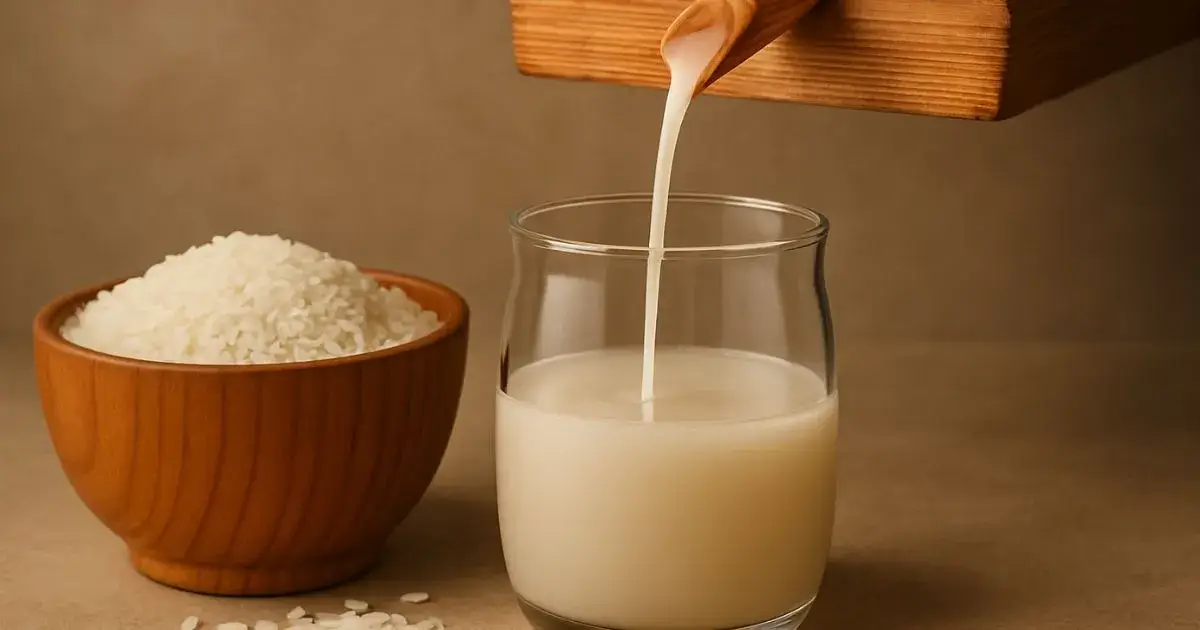
The side effects of drinking rice water for weight loss at night can range from digestive discomfort to unexpected blood sugar fluctuations—especially if it’s consumed in excess or without understanding how it affects the body.
While rice water has recently gained viral popularity on platforms like TikTok and Instagram for its supposed benefits in weight management, particularly when taken before bed, there are important health considerations many overlook.
What is Rice Water?
Rice water is the starchy, translucent liquid that remains after rice is rinsed, soaked, or boiled.
It’s known for containing small amounts of vitamins, minerals, and amino acids released from the rice grains.
Types of Rice Water
- Plain Rice Water: Obtained by simply soaking or boiling rice in water and collecting the liquid.
- Fermented Rice Water: Made by allowing plain rice water to sit at room temperature for 24–48 hours, encouraging natural fermentation that slightly sours the liquid and increases certain bioactive compounds.
Common Methods of Preparation
- Soaking: Rinse 1 cup of uncooked rice, then soak in 2–3 cups of water for 30–60 minutes. Swirl and strain to collect the rice water.
- Boiling: Cook rice with extra water (about 1:4 rice to water ratio). After a few minutes, strain off the starchy liquid before the rice is fully cooked.
- Fermentation: Prepare plain rice water by soaking, then let it sit in a closed jar at room temperature for up to 2 days, allowing natural microbes to ferment it before refrigeration.
Traditional and Modern Uses
Health:
- Digestive Aid: Traditionally used in several Asian cultures to soothe digestive upset, treat mild diarrhea, or provide gentle nourishment during illness.
- Hydration and Energy: Drunk as a hydrating beverage and mild energy source in times of heat or after strenuous activity.
Beauty:
- Hair Care: Applied as a natural rinse to promote shine, detangle, and reduce hair breakage—a practice with roots in Japan’s Heian period and popularized again via modern influencers.
- Skin Treatment: Used as a face wash or soak to calm irritation, improve texture, and support a brighter complexion.
Wellness:
- Weight Loss Drinks: Recently embraced in wellness circles, especially on social media, as a low-calorie beverage thought to aid satiety and hunger control, though supporting evidence is limited.
- DIY Remedies: Incorporated into homemade tonics, teas, or spa routines for gentle cleansing and nourishing effects.
Why Is Rice Water Popular for Weight Loss?
In recent years, especially across U.S.-based wellness communities online, rice water has emerged as a trending drink for weight loss.
This rise in popularity isn’t just hype—it’s fueled by a few specific reasons that are attracting people looking for simple, natural weight management solutions.
1. It’s Low in Calories but Can Be Quite Filling
Plain rice water contains trace amounts of calories compared to typical snacks or beverages, yet its starch content can give a temporary sense of fullness.
By consuming rice water before bed, some believe it can help curb nighttime cravings or prevent overeating at dinner.
This makes it appealing to those practicing intermittent fasting or calorie restriction.
2. It’s Claimed to Support Digestion and Appetite Control
While scientific evidence is limited, anecdotal reports suggest rice water aids digestion and soothes the gut.
A smoother digestive process overnight could support more efficient metabolism in some people.
In this context, people assume that drinking rice water may reduce bloating or help regulate appetite the following day—though such effects vary by individual and aren’t universally proven.
3. It Contains Basic Nutrients That Support Health
Rice water isn’t just flavored water—it contains small amounts of:
- B vitamins (especially niacin and thiamin),
- Minerals like magnesium and manganese,
- Traces of resistant starch, which may promote gut health by feeding good bacteria.
While these nutrients are far less concentrated than in whole grains or vegetables, for someone on a reduced-calorie plan, every bit counts.
Resistant starch, in particular, has been studied for its potential to support better satiety and glycemic control—but again, the quantity present in rice water is minimal.
How Does Timing Matter?
Why People Drink Rice Water at Night
- Satiety for Better Sleep: Evening consumption of rice water is popular among those seeking a natural, low-calorie option to feel full before bed. The starchy liquid creates a sense of mild fullness, which may help reduce late-night snacking and overeating.
- Potential for Overnight Digestion: Some believe that drinking rice water at night offers digestive support, as the gentle starches and minimal fiber content are easy on the stomach. This might be comforting for individuals with sensitive digestion, helping them avoid discomfort overnight.
- Hydration Before Rest: Sipping rice water before bed provides hydration, and for some, the ritual itself encourages mindful eating habits.
| Timing | Potential Benefits | Possible Downsides |
|---|---|---|
| During the Day | May provide quick, light energy; can help curb midday hunger without excess calories; easy to pair with other meals. | Blood sugar spike more likely to be managed by daily activity; hydration is usually beneficial throughout the day. |
| At Night | May reduce cravings for evening snacks; satisfies pre-sleep hunger; can become a calming part of a bedtime routine. | Can cause bloating or mild digestive discomfort for some; overnight blood sugar fluctuations, especially for people with diabetes or insulin resistance; increased nighttime urination may disrupt sleep. |
Potential Side Effects of Drinking Rice Water at Night
Drinking rice water at night is a trending practice, but it’s important to recognize the potential side effects before making it part of your routine.
Here are the primary health considerations based on current evidence:
Digestive Issues
- Constipation: Rice water is high in starchy carbohydrates, which can contribute to digestive sluggishness or constipation—especially when consumed in excess or without enough dietary fiber.
- Bloating and Gas: Starches in rice water may ferment overnight in the gut, resulting in bloating, gas, and abdominal discomfort for some individuals.
- Diarrhea in Sensitive Individuals: Those with gastrointestinal sensitivities or irritable bowel syndrome could experience loose stools or diarrhea after consuming rice water due to its carbohydrate content.
Blood Sugar Fluctuations
- Elevated Blood Sugar: Rice water contains simple carbohydrates that can spike blood glucose levels. This is especially concerning for people with diabetes or pre-diabetes, as nighttime intake may disrupt overnight glucose regulation.
Allergic Reactions
- Symptoms: Rice allergy is rare but possible. Symptoms include itching, hives, swelling, or, in severe cases, anaphylaxis. Anyone with suspected rice allergies should avoid rice water entirely or consult a physician.
Mineral Imbalance
- Possible Imbalance: Consuming excessive rice water—while neglecting other dietary nutrients—can lead to electrolyte imbalances. Its mild diuretic effect, especially if used to replace regular meals, may cause the body to lose key minerals.
Exposure to Arsenic
- Trace Contaminants: Rice tends to absorb arsenic from groundwater and soil. This contaminant can leach into rice water, posing potential long-term health risks if consumed in large quantities daily.
Appetite Suppression and Undereating
- Satiety Effect: Because rice water can create a sense of fullness, relying on it as a nightly habit may inadvertently suppress your appetite and lead to insufficient calorie and nutrient intake, especially if it’s used to skip meals.
Sleep Disruption
- Nighttime Urination: Rice water is hydrating. Drinking it before bed can increase the likelihood of waking up to urinate, potentially disrupting natural sleep patterns.
Who Should Avoid Rice Water at Night?
Not everyone benefits equally from drinking rice water at night.
Certain groups are at higher risk for adverse effects due to health conditions or specific sensitivities:
1. Individuals With Diabetes or Blood Sugar Concerns
- Rice water is high in carbohydrates, which can cause spikes in blood sugar levels, especially if consumed before bed.
- Nighttime intake may disrupt normal blood glucose regulation, increasing risk for unstable overnight readings.
2. Those With Rice Allergies
- Even though rice allergy is rare, ingesting rice water can trigger allergic reactions such as itching, hives, swelling, or, in severe cases, anaphylaxis.
- Anyone with a history of rice allergy should avoid rice water completely or consult with an allergist first.
3. Persons Prone to Constipation or Digestive Troubles
- The high starch content in rice water can slow down digestion and make constipation worse for some people.
- Others may develop bloating, gas, or even diarrhea, especially if they are sensitive to certain carbohydrates or have existing gut issues.
4. Pregnant or Breastfeeding Women
- Safety data on rice water consumption in pregnancy and breastfeeding is limited.
- Because of concerns about nutrient balance, potential contaminant exposure (like arsenic), and the need for optimal nutrition during these life stages, it’s best to consult a healthcare provider before including rice water in your diet.
Best Practices and Safe Consumption Tips
If you’re considering adding rice water to your nightly health routine, it’s important to approach it with safety and moderation in mind.
While it’s generally safe for most people, proper preparation and mindful consumption are key to avoiding unnecessary health risks.
1. Practice Moderation
- Limit consumption to 1–2 small servings per day (roughly ½ to 1 cup per serving).
- Excessive intake offers no added benefit and can potentially lead to digestive discomfort or nutrient imbalance.
2. Avoid Added Sugars or Flavorings
- Adding sugar, honey, or sweeteners defeats the purpose of rice water as a low-calorie option.
- Keep it plain and unsweetened to maintain its nutritional simplicity and prevent unnecessary spikes in blood sugar.
3. Wash and Prepare Rice Properly
- To minimize arsenic exposure, rinse rice thoroughly in cold water before cooking.
- Use high-quality, organic white or brown rice when possible.
- Consider discarding the first soak or wash water and collecting water only after boiling for safer consumption.
4. Choose Fresh, Clean Water
- Use filtered or purified water for soaking or boiling rice to avoid potential contaminants that might already be in your tap water.
5. Store It Safely
- Refrigerate rice water in a clean, sealed container and consume within 24 to 48 hours.
- Discard if it becomes cloudy, smells sour (unless intentionally fermented), or shows signs of spoilage.
6. Monitor Your Body’s Response
- Watch for signs of bloating, constipation, or other digestive symptoms after consumption.
- If you experience any discomfort or allergic reactions, discontinue use immediately and consult a healthcare provider.
7. Don’t Use It as a Meal Replacement
- Rice water lacks protein, fiber, and essential fats. It should be an addition to a balanced diet, not a substitute for meals—especially at night when the body needs recovery fuel.
Alternatives to Rice Water for Nighttime Weight Loss
If you’re looking for ways to support your weight loss goals in the evening without relying on rice water, there are several safe and effective options.
Each of these alternatives can help you feel satisfied before bed while avoiding common side effects linked to rice water, such as digestive discomfort or blood sugar fluctuations.
1. Herbal Teas (Chamomile, Peppermint)
- Chamomile Tea: Naturally caffeine-free and known for its calming, sleep-supporting properties. Chamomile can help ease stress at night, making it less likely you’ll snack due to anxiety or restlessness. It also hydrates without added calories.
- Peppermint Tea: Refreshing and light, peppermint tea has been shown to soothe the digestive system, reduce bloating, and help curb nighttime cravings. As a zero-calorie beverage, it supports satiety without impacting blood sugar.
2. Plain Water for Satiety
- Drinking a glass of plain water 30–60 minutes before bed can help fill your stomach and keep you hydrated.
- The sensation of fullness from water can minimize the urge for late-night snacking, making it an easy and calorie-free alternative.
3. Bedtime Snacks Rich in Protein or Fiber
- Greek Yogurt (unsweetened): A small bowl of plain Greek yogurt is high in protein and low in sugar. Protein promotes longer-lasting fullness and supports overnight muscle repair.
- Cottage Cheese: Offers slow-digesting protein (casein) that can curb hunger through the night.
- High-Fiber Options: Think baby carrots, a handful of berries, or a small apple paired with almond butter. The fiber slows digestion and helps you feel full without excessive calories.
| Snack | Key Benefit | Why It Works |
|---|---|---|
| Greek Yogurt | High in protein, low in sugar | Promotes fullness, low glycemic impact |
| Cottage Cheese | Slow-digesting protein | Supports satiety, muscle recovery |
| Sliced Apple & Almond Butter | Fiber + healthy fats | Fills you up, keeps blood sugar stable |
| Carrot/Celery Sticks | Crunchy, low-calorie fiber | Satisfying to chew, minimal calories |
Conclusion
Rice water can be a low-calorie addition to a weight loss routine, especially when used in moderation.
However, drinking it at night may lead to digestive issues, blood sugar spikes, or nutrient imbalances—particularly for those with existing health concerns.
To stay safe, prepare it properly, consume it mindfully, and avoid using it as a meal replacement.
For best results, consult a healthcare professional before adding rice water—or any new trend—to your diet.