

Does Zepbound Cause Headaches? Side Effects Explained
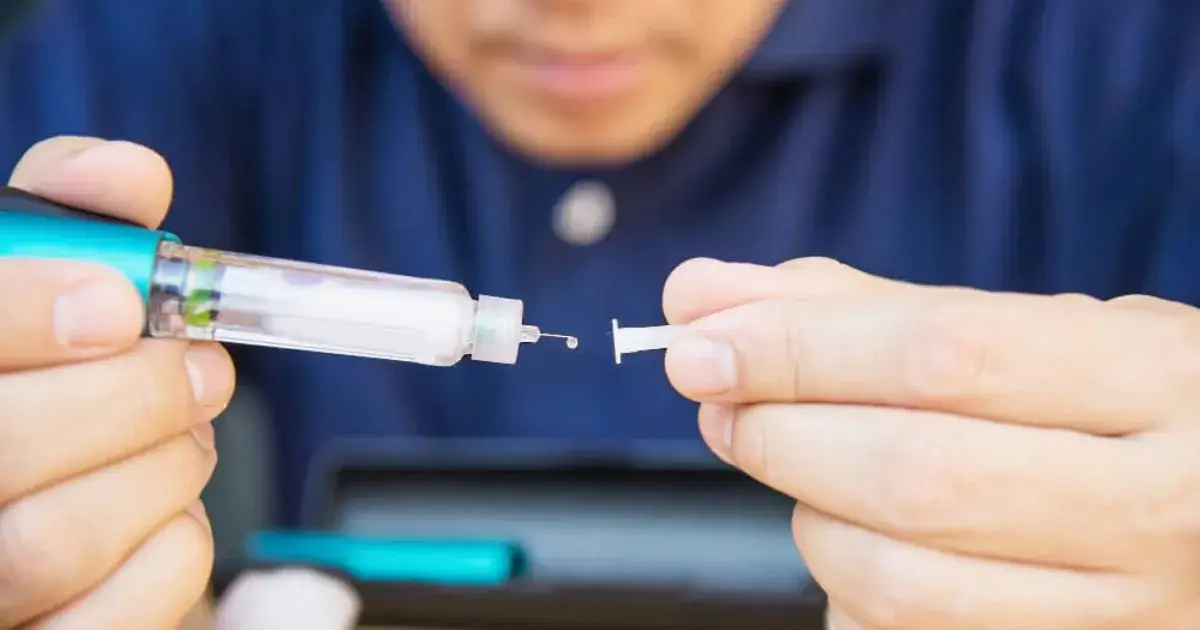
Zepbound is a once-weekly injectable medication approved by the FDA in 2023 for chronic weight management in adults who are overweight or have obesity.
It contains tirzepatide—the same active ingredient found in Mounjaro, a drug originally developed for type 2 diabetes.
By mimicking two key hormones (GLP-1 and GIP), Zepbound helps regulate appetite, control blood sugar, and support sustained fat loss.
But as with any weight loss treatment, people have questions—real ones.
Does it cause headaches? How long before you start seeing results? And where exactly should you inject it?
Does Zepbound Cause Headaches?
In clinical trials, headaches were not listed among Zepbound’s most common side effects.
The frequently reported ones included nausea, diarrhea, decreased appetite, vomiting, and constipation.
That said, some studies on tirzepatide side effects show that headaches occurred in up to 10% of people using tirzepatide, compared to about 7.5% in the placebo group.
While not considered a primary side effect, it’s still worth noting—especially if you’re sensitive to changes in blood sugar, hydration, or appetite.
What People Are Actually Experiencing
Outside the clinical setting, many users have reported headaches after their Zepbound injection, especially during the first few doses.
On forums like Reddit and patient support groups, you’ll find firsthand accounts such as:
- “A slight frontal headache on day one or two after my shot.”
- “Day 2, I woke up feeling hungover. Head was pounding.”
These real-world experiences don’t replace clinical data, but they offer insight into how the body reacts during the adjustment period.
What Might Be Causing It—and How to Handle It
While Zepbound itself isn’t directly linked to causing headaches, several common factors might be contributing:
- Dehydration: The appetite-suppressing effects can lead to lower fluid intake without realizing it.
- Blood sugar drops: Changes in eating habits or skipped meals may lead to hypoglycemia.
- Adjustment phase: Your body needs time to adapt to hormonal shifts triggered by tirzepatide.
How to Reduce Headache Risk:
- Stay well-hydrated, especially on injection day
- Eat balanced, regular meals—don’t skip food even if you’re not hungry
- Use over-the-counter pain relief like Tylenol (acetaminophen) or ibuprofen when needed
If headaches are frequent, intense, or persistent, talk to your healthcare provider.
You may need a slower dose escalation or a look at other possible causes.
How Long Does It Take for Zepbound to Work?
Zepbound (tirzepatide) has a half-life of about five days, which means it stays in the body long enough to be taken just once per week.
However, it takes about four weeks to reach steady-state levels, where the drug’s effects become more consistent.
This is when many users begin noticing real changes.
When You’ll Feel the First Changes
Most people don’t have to wait months to notice Zepbound working.
Appetite suppression often begins within the first few weeks, sometimes as early as week 2 or 3.
By weeks 4–12, many users report:
- Feeling full faster
- Cravings becoming less intense
- Gradual, steady weight loss
Clinical trials back this up: On average, users lose about 1 to 2 pounds per week, leading to roughly 6% total body weight reduction by the 12-week mark.
That’s not just water weight—it’s meaningful fat loss, especially when paired with proper nutrition and movement.
Long-Term Outcomes: What to Expect Over Time
Zepbound isn’t a quick-fix injection—it’s designed for long-term use and sustainable results.
- By month 9, people on higher doses often reach 15% to 21% total weight loss
- At 1 year, many hit their peak results
- After 1 year, weight typically stabilizes, with very little rebound if the medication is continued
In long-term studies, users maintained significant weight loss for up to 3 years, especially when combined with behavioral support and medical supervision.
Zepbound Shot Location: Where and How to Inject It Safely
Zepbound is administered as a subcutaneous injection, meaning it goes just under the skin—not into the muscle.
The FDA-approved sites are:
- Abdomen — at least 2 inches away from your belly button
- Upper outer thigh
- Back of the upper arm
These areas have enough fatty tissue to absorb the medication properly, making them ideal for self-injection.
Injection Tips and Rotation Best Practices
For best results—and to avoid irritation or tissue damage—follow these essential injection habits:
- Rotate injection sites each week. Don’t use the same spot back-to-back.
- Clean the area with alcohol before injecting to reduce infection risk.
- Inject at a 90-degree angle and hold the pen in place for 5 to 10 seconds after the click to ensure full delivery.
Pro tip: Keep a weekly log of injection sites. It helps prevent bruising, bumps, and lipohypertrophy (fatty tissue buildup under the skin).
Does the Injection Site Affect How the Drug Works?
Technically, yes—but not in a way that should stress you out.
Pharmacokinetic studies suggest that:
- Abdomen tends to absorb slightly faster and may cause stronger side effects for some
- Thigh offers moderate absorption
- Back of the arm tends to absorb the slowest, often with fewer side effects
However, the clinical difference is minimal. What matters most is consistency and comfort.
If one spot works better for you—or feels less sore the next day—stick with it.
FAQs
What helps if I get headaches on Zepbound?
Start by drinking more water, eating balanced meals, and avoiding long gaps between eating. If needed, over-the-counter pain relievers like Tylenol or ibuprofen are generally safe—but always check with your doctor first.
When will I see changes in weight or appetite?
Many users notice reduced appetite within 2 to 4 weeks. Weight loss typically follows soon after, with clinical studies showing steady progress starting between weeks 4 and 12.
How much weight can I lose in 12 weeks?
On average, Zepbound users lose about 1–2 pounds per week, which translates to roughly 6% of total body weight by 12 weeks, based on clinical trial data.
Which injection location works best, and how do I rotate sites?
All approved sites—abdomen, thigh, and back of the arm—are effective. The abdomen may absorb slightly faster, but the clinical difference is small. The key is to rotate sites weekly to avoid skin irritation and tissue buildup.
Conclusion
Zepbound can cause mild side effects like headaches, but they’re generally manageable.
Most users notice a reduced appetite within the first 4 weeks, with consistent weight loss following in the months ahead.
As for injection sites—abdomen, thigh, or arm—all are effective.
Choose based on comfort, and rotate weekly to avoid irritation.