
Is Lemon Balm the Key to Easy Weight Loss?
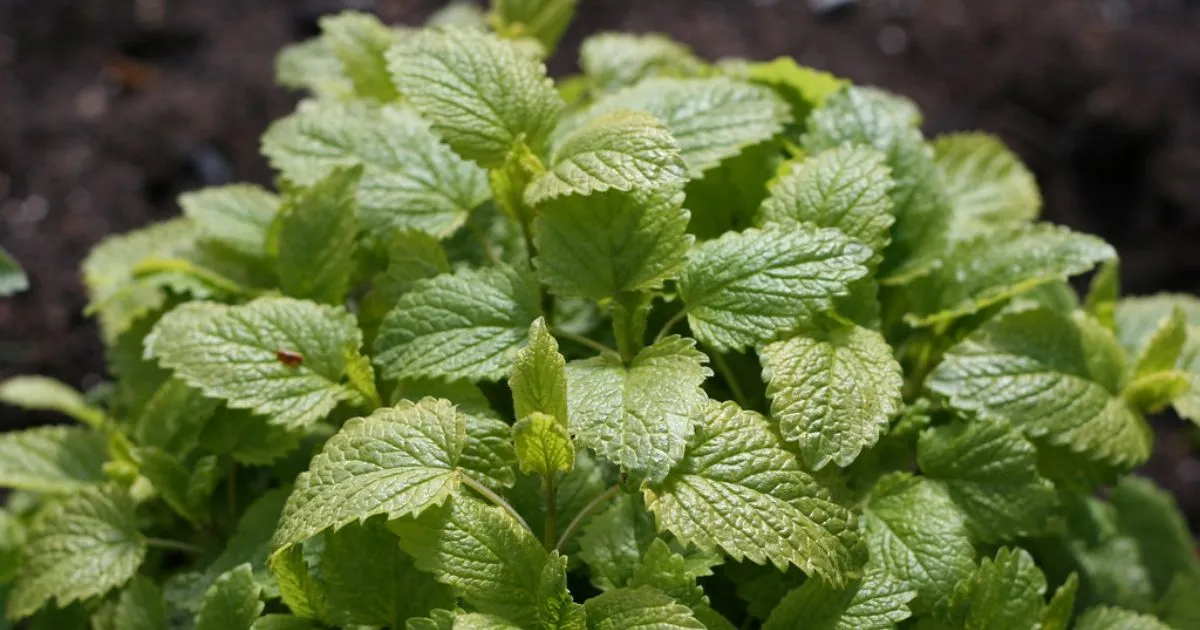
Lemon balm, a fragrant herb from the mint family (Melissa officinalis), has long been valued for its calming and health-enhancing properties.
Historically used to ease the mind, support digestion, and improve sleep, this versatile herb now plays a pivotal role in modern wellness routines.
In the context of weight management, lemon balm offers significant benefits. By reducing cortisol levels—the stress hormone often linked to emotional eating—it helps curb stress-induced overeating.
Additionally, its digestive-supporting properties alleviate bloating and promote gut health, both essential for maintaining a healthy weight.
As a natural remedy that bridges emotional and physical well-being, lemon balm isn’t just a herb; it’s a powerful ally for a balanced, health-conscious lifestyle.
What is Lemon Balm?
Lemon balm (Melissa officinalis) is a perennial herb native to the Mediterranean and Europe, celebrated for its zesty lemon aroma and powerful therapeutic properties.
As a member of the mint family (Lamiaceae), it has been a cornerstone of natural remedies for centuries.
In ancient Greece and Rome, lemon balm was cherished for its ability to alleviate anxiety, digestive issues, and insomnia. During medieval times, it became a staple in monastic gardens, symbolizing vitality and emotional upliftment.
Today, lemon balm continues to thrive in modern wellness, available in forms such as teas, tinctures, essential oils, and dietary supplements. Its proven benefits include:
- Reducing stress and anxiety: Calms the mind and improves emotional well-being.
- Promoting digestive health: Relieves bloating, indigestion, and mild gastrointestinal discomfort.
- Enhancing sleep quality: Supports relaxation and aids those with insomnia.
- Boosting cognitive function: Improves focus and memory, especially during stress.
This versatile herb seamlessly blends traditional wisdom with contemporary health solutions, making it an essential tool for holistic well-being.
How Lemon Balm Supports Weight Loss
Lemon balm is more than a calming herb—it’s a dynamic tool for weight loss, addressing stress, digestion, and sleep, all crucial for maintaining a healthy weight.
Stress Reduction: Managing Cortisol Levels
Chronic stress triggers cortisol production, often leading to weight gain, particularly around the abdomen.
Elevated cortisol levels fuel cravings for sugary and high-fat comfort foods, making weight management challenging.
Lemon balm’s proven calming effects help lower cortisol levels and curb stress-induced overeating.
Whether taken as tea or supplements, it promotes relaxation and supports healthier eating habits, breaking the cycle of emotional eating.
Digestive Health: Reducing Bloating and Boosting Metabolism
A healthy digestive system is vital for effective weight loss.
Lemon balm’s carminative properties alleviate bloating by easing gas and promoting smooth digestion.
By relaxing gastrointestinal muscles, it enhances nutrient absorption and reduces bloating.
Improved digestion also supports metabolic efficiency, aiding in calorie utilization and fat breakdown—key components of weight management.
Sleep Quality: A Critical Factor in Weight Control
Inadequate sleep disrupts hunger hormones, increasing ghrelin (hunger) and decreasing leptin (satiety), often leading to overeating. Poor sleep also slows metabolism, making weight loss harder.
Lemon balm’s sedative properties improve sleep quality by reducing insomnia and promoting relaxation.
Better sleep regulates appetite, restores energy balance, and supports the body’s recovery processes, all essential for effective weight control.
By addressing these core areas, lemon balm emerges as a holistic and natural aid in achieving and maintaining a healthy weight.
Scientific Evidence Supporting Lemon Balm for Weight Loss
Lemon balm’s effectiveness in weight management is supported by research highlighting its impact on stress, digestion, and mood.
These scientifically-backed benefits make it a valuable addition to a holistic weight-loss strategy.
Regulating Cortisol Levels and Reducing Stress
Stress-induced weight gain often results from elevated cortisol levels.
Lemon balm’s anxiolytic properties help counteract this effect.
- A 2014 study in Nutrients demonstrated that lemon balm extract significantly reduced stress and improved mood in participants. This reduction in cortisol levels supports healthier eating habits and curbs stress-induced overeating.
- By fostering relaxation, lemon balm helps prevent fat accumulation linked to chronic stress.
Improving Digestive Health and Reducing Bloating
Digestive efficiency plays a key role in weight control, and lemon balm has proven digestive benefits.
- Research published in Phytomedicine confirmed that lemon balm’s antispasmodic properties relax gastrointestinal muscles, easing bloating and enhancing digestion.
- Better digestion boosts nutrient absorption and metabolic function, both essential for maintaining a healthy weight.
Enhancing Mood and Controlling Appetite
Emotional eating is often triggered by mood imbalances, and lemon balm can help stabilize emotions.
- A 2011 study in the Journal of Ethnopharmacology found that lemon balm extract improved cognitive function and reduced feelings of agitation. This makes it easier to avoid unhealthy food choices, especially during stress.
Supporting Metabolism
While direct studies on lemon balm’s effects on fat metabolism are limited, its role in enhancing digestion and regulating stress hormones suggests indirect metabolic benefits.
- By improving digestion and nutrient utilization, lemon balm aids the body in managing energy effectively, reducing the likelihood of fat storage.
With its scientifically validated properties, lemon balm provides a natural, multi-faceted approach to supporting weight management.
Practical Ways to Use Lemon Balm
Lemon balm is a versatile herb that can easily fit into your daily routine to support overall wellness and weight management.
Here are three effective ways to incorporate it:
Lemon Balm Tea
A calming cup of lemon balm tea is one of the simplest ways to enjoy its benefits.
Recipe:
- Boil 1–2 cups of water.
- Add 1–2 teaspoons of dried lemon balm leaves (or a handful of fresh leaves).
- Steep for 5–10 minutes.
- Strain and enjoy hot, or let it cool for an iced version.
Benefits:
Lemon balm tea soothes the mind, aids digestion, and promotes relaxation.
Drinking it 30 minutes before bedtime can improve sleep quality, indirectly supporting weight management by regulating appetite hormones.
Lemon Balm Supplements
For a more concentrated intake, lemon balm is available as capsules, tinctures, or extracts.
Recommended Dosage:
- Capsules: 300–600 mg per day, divided into 2–3 doses.
- Tinctures/Extracts: 1–2 mL with water or as directed.
Benefits:
Supplements provide a convenient and controlled dose, especially helpful for stress reduction and digestive support.
Choose high-quality products from reputable brands to ensure effectiveness.
Culinary Uses
Fresh lemon balm leaves add a citrusy flavor and nutritional boost to your meals.
How to Use:
- Salads: Chop fresh leaves and mix with greens for a zesty twist.
- Smoothies: Blend a few leaves into your smoothie for added flavor and benefits.
- Infused Water: Combine lemon balm leaves with lemon slices or cucumber for a refreshing detox drink.
- Desserts: Use as a garnish for fruit salads or mix into yogurt for a tangy snack.
Incorporating lemon balm into your routine is simple, enjoyable, and highly effective for achieving a balanced lifestyle.
DIY Recipes for Weight Loss with Lemon Balm
Lemon balm can be a flavorful and functional addition to your weight-loss routine.
These DIY recipes are simple to prepare and combine the herb’s calming and digestive benefits with other healthy ingredients to support your goals.
Lemon Balm Tea
A warm cup of lemon balm tea is soothing, aids digestion, and reduces stress.
Ingredients:
- 1–2 teaspoons of dried lemon balm leaves (or a handful of fresh leaves)
- 1–2 cups of water
- Optional: Honey or lemon for added flavor
Preparation:
- Bring water to a boil.
- Add the lemon balm leaves to a teapot or cup.
- Pour hot water over the leaves.
- Cover and let it steep for 5–10 minutes.
- Strain the leaves, add honey or lemon if desired, and enjoy warm.
Tip: For iced tea, let the tea cool, add ice, and garnish with lemon slices and mint.
Lemon Balm Detox Water
A refreshing, hydrating drink infused with lemon balm and other detoxifying ingredients.
Ingredients:
- 5–6 fresh lemon balm leaves
- 1 liter of water
- 2–3 slices of lemon
- A few slices of cucumber (optional)
- Ice cubes
Preparation:
- Gently crush the lemon balm leaves to release their aroma.
- Add the leaves, lemon slices, and cucumber slices to a pitcher of water.
- Let it infuse for at least 1–2 hours in the refrigerator.
- Pour into a glass, add ice cubes, and enjoy.
Tip: Drink throughout the day to stay hydrated and support digestion.
Lemon Balm Smoothie
A nutrient-packed smoothie combining lemon balm with other weight-friendly ingredients.
Ingredients:
- 5–6 fresh lemon balm leaves
- 1 cup of unsweetened almond milk (or any preferred milk)
- 1/2 banana (for creaminess and natural sweetness)
- 1/2 cup of frozen berries (blueberries or strawberries work well)
- 1 tablespoon of chia seeds (optional, for added fiber)
- Ice cubes
Preparation:
- Add all the ingredients to a blender.
- Blend until smooth and creamy.
- Pour into a glass and garnish with a few extra lemon balm leaves.
Tip: This smoothie is perfect for breakfast or as a midday snack to keep you energized and satisfied.
Potential Side Effects and Precautions
Lemon balm is generally safe for most people, but understanding its potential side effects and necessary precautions is important, especially if you have specific health conditions or take medications.
Safety Profile and Recommended Dosages
Lemon balm is well-tolerated when used in appropriate amounts, whether as tea, supplements, or culinary herb.
Recommended Dosages:
- Tea: 1–2 teaspoons of dried lemon balm per cup of water, up to 2–3 times daily.
- Supplements: 300–600 mg per day, divided into 2–3 doses. Always follow the product label or healthcare provider’s advice.
Potential Side Effects:
While rare, excessive consumption may cause mild issues like stomach upset, dizziness, or allergic reactions.
Who Should Avoid Lemon Balm?
While safe for most, some individuals should exercise caution:
- Individuals with Thyroid Conditions: Lemon balm may interfere with thyroid function and the absorption of thyroid medications, particularly in those with hypothyroidism. Consult a healthcare provider before use.
- Pregnant or Breastfeeding Women: Due to limited research, it’s best to consult a healthcare provider before using lemon balm during these periods.
- Children: Lemon balm tea is generally safe for children, but avoid high doses or concentrated forms like supplements without professional guidance.
Drug Interactions
Lemon balm’s mild sedative and hypotensive properties can interact with certain medications:
- Sedatives and Anti-Anxiety Medications: It may enhance the effects of drugs like benzodiazepines, increasing drowsiness or sedation.
- Thyroid Medications: Lemon balm can inhibit thyroid hormone absorption, requiring caution for those on thyroid therapy.
- Blood Pressure Medications: Its mild blood pressure-lowering effects could amplify the effects of antihypertensive drugs, leading to an excessive drop in blood pressure.
By adhering to recommended dosages and consulting a healthcare provider when necessary, lemon balm can be a safe and beneficial addition to your wellness routine.
Conclusion
Lemon balm is a versatile herb with remarkable benefits, particularly for weight management.
By reducing stress and regulating cortisol levels, it helps combat stress-induced overeating.
Its digestive properties reduce bloating and support metabolic efficiency, while its ability to improve sleep quality aids the body’s natural weight-regulation processes.
For optimal results, incorporate lemon balm into a balanced diet and an active lifestyle.
Whether enjoyed as tea, taken as a supplement, or used in culinary creations, this herb can significantly enhance overall wellness.
Consistent use, paired with healthy habits, is key to achieving long-term weight management and better overall health.