
What Happens When You Combine Vitamin D with Turmeric?

In recent years, the popularity of natural supplements for muscle recovery has soared.
Fitness enthusiasts, athletes, and wellness seekers increasingly turn to supplements like turmeric and vitamin D for faster recovery, reduced soreness, and improved muscle regeneration.
Natural recovery aids are appealing for many reasons, including their ability to support healing and reduce inflammation without relying on synthetic substances.
Vitamin D: An Essential Nutrient for Muscle Health
Vitamin D is a fat-soluble vitamin that plays a critical role in several bodily functions, including the regulation of calcium levels, bone health, immune system support, and, crucially, muscle recovery.
Often referred to as the “sunshine vitamin”, vitamin D is produced by the body when the skin is exposed to sunlight.
It can also be consumed through certain foods and supplements.
Different Forms of Vitamin D
Vitamin D exists in two main forms:
- Vitamin D2 (ergocalciferol): Typically found in plant-based sources and commonly used in supplements and fortified foods.
- Vitamin D3 (cholecalciferol): The form produced by the skin when exposed to sunlight. It’s also found in animal-based foods, such as fatty fish, egg yolks, and liver. D3 is generally the more effective form for increasing blood levels of vitamin D and is the preferred option in supplements.
How Vitamin D Impacts Muscle Health
Vitamin D is essential not only for bone health but also for muscle function and recovery.
Here’s how it works:
- Muscle strength and regeneration: Vitamin D helps regulate the function of muscle cells, ensuring they are activated properly after exercise to promote recovery and repair.
- Reduced muscle soreness: It plays a significant role in reducing delayed onset muscle soreness (DOMS) by promoting better muscle healing after strenuous exercise.
- Calcium absorption: Calcium is critical for muscle contractions, and vitamin D aids in the absorption of calcium, which directly supports muscle function.
Low levels of vitamin D are linked to muscle weakness, fatigue, and longer recovery times, which can hinder workout performance and delay progress.
Why Athletes Need Vitamin D
Athletes, especially those who train intensely or indoors, are at risk for vitamin D deficiency.
This is because they might not get enough sun exposure, which can lead to muscle soreness and slower recovery times.
Ensuring adequate vitamin D levels is essential for:
- Enhanced muscle strength: Athletes with sufficient vitamin D levels report better overall muscle performance.
- Faster recovery: Vitamin D helps repair muscle tissue quickly and reduce the pain associated with muscle strains and intense workouts.
- Reduced injury risk: With stronger and more resilient muscles, athletes are less likely to experience strains or tears.
The Healing Powers of Turmeric for Muscle Recovery
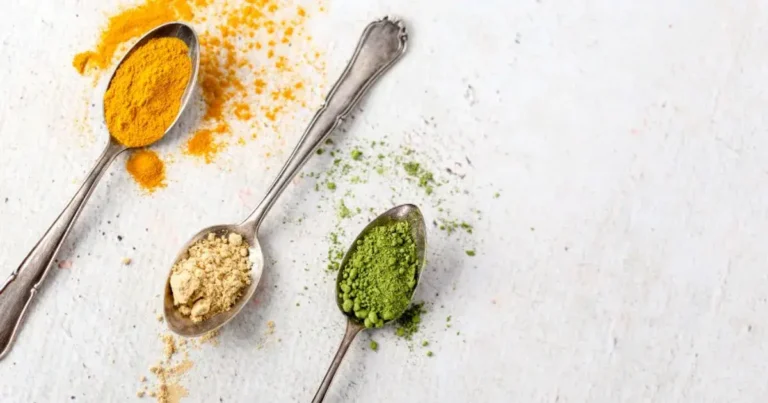
Turmeric (Curcuma longa) is a vibrant yellow-orange spice widely used in cooking, particularly in Indian and Asian cuisines.
However, its medicinal properties have been celebrated for thousands of years, particularly for its anti-inflammatory and antioxidant effects.
The active compound in turmeric responsible for these benefits is curcumin, which has been extensively studied for its ability to reduce inflammation and promote healing, making it a valuable supplement for muscle recovery.
Curcumin: The Bioactive Compound in Turmeric
Curcumin is a powerful polyphenol found in turmeric that provides the majority of its medicinal benefits.
It has been shown to:
- Reduce inflammation: Curcumin helps inhibit several inflammatory molecules in the body, which can reduce muscle soreness and swelling after exercise.
- Accelerate muscle recovery: By lowering inflammation, curcumin promotes faster muscle repair, reducing the downtime needed between workouts.
- Support joint health: As it has anti-inflammatory properties, turmeric can also aid in reducing joint pain, making it an excellent choice for individuals with active lifestyles.
How Turmeric Helps with Muscle Inflammation
When you engage in strenuous physical activity, your muscles experience microtears.
This is a normal process, but it leads to inflammation, soreness, and swelling—especially within the first 48 hours post-workout (also known as DOMS).
Turmeric’s anti-inflammatory properties help by:
- Reducing muscle pain: Curcumin has been shown to significantly reduce the intensity of DOMS by blocking inflammation and promoting faster recovery.
- Accelerating healing: Turmeric helps to regulate inflammatory pathways, reducing swelling and supporting the body’s natural healing mechanisms after exercise.
- Promoting joint health: For those who perform high-impact activities, turmeric may reduce joint stiffness and improve mobility post-workout.
The Combined Power of Vitamin D and Turmeric for Muscle Recovery
Both vitamin D and turmeric offer distinct benefits for muscle recovery, but when combined, their effects are even more powerful.
Research has shown that:
- Vitamin D plays a crucial role in muscle regeneration, helping to repair muscle fibers after exercise, enhancing strength, and supporting overall muscle function. It’s particularly effective at promoting recovery after intense physical activity, where microtears in muscle fibers need repair.
- Turmeric, specifically its active compound curcumin, is renowned for its anti-inflammatory properties, which help manage post-workout soreness and swelling. By reducing inflammation, turmeric allows your muscles to recover more comfortably without the added pain or stiffness.accelerates healing.
Together, these two nutrients work synergistically to maximize recovery.
For example, vitamin D enhances muscle function, while turmeric helps manage inflammation.
A study published in the Journal of Strength and Conditioning Research demonstrated that athletes supplementing with both vitamin D and curcumin experienced significantly lower muscle soreness and faster recovery compared to those on a placebo.
The Benefits of Combining Vitamin D and Turmeric
- Reduced muscle soreness: Vitamin D helps strengthen muscles, while turmeric reduces post-workout inflammation.
- Faster recovery time: The combination of muscle regeneration (from vitamin D) and inflammation reduction (from turmeric) results in quicker recovery between workouts.
- Enhanced healing: Both nutrients support the body’s natural repair processes, promoting better muscle function and overall fitness performance.
Maximizing the Absorption of Vitamin D and Turmeric
Both vitamin D and curcumin are fat-soluble nutrients, meaning they require fat to be absorbed properly by the body.
Here’s how to enhance their absorption:
Vitamin D Absorption
- Take vitamin D with fat: Consuming vitamin D with a meal containing healthy fats, such as avocado, olive oil, or fatty fish, increases its bioavailability.
- Sun exposure: In addition to supplementation, regular exposure to sunlight (10-30 minutes a few times per week) is an effective way to boost vitamin D levels naturally.
Curcumin Absorption
- Pair with healthy fats: To maximize the absorption of curcumin, consume it with a healthy fat source, such as coconut oil or olive oil.
- Black pepper: Piperine, a compound found in black pepper, can increase curcumin absorption by up to 2,000%. Therefore, many curcumin supplements include black pepper extract to enhance bioavailability.
The Rising Popularity of Vitamin D and Turmeric for Muscle Recovery
Recent studies underscore the increasing importance of vitamin D and turmeric in the realm of fitness and recovery.
As more athletes and active individuals seek natural alternatives to synthetic products, these nutrients have become a staple in recovery routines.
Some key findings from recent studies include:
- Journal of Sports Science & Medicine (2019): Research shows that vitamin D supplementation significantly reduces muscle soreness and promotes faster recovery.
- Journal of Strength and Conditioning Research (2020): Athletes using curcumin supplements showed reduced DOMS and inflammation, resulting in improved muscle recovery.
- Nutrients (2022): A clinical trial found that combining vitamin D3 and curcumin significantly accelerated muscle recovery in participants after a rigorous exercise program.
Also, professional athletes, particularly those in high-endurance sports like cycling, soccer, and American football, are embracing these natural supplements for faster recovery and better overall performance.
How to Incorporate Vitamin D and Turmeric Into Your Routine
Vitamin D: How to Get Enough
- Recommended Dosage: The recommended daily intake of vitamin D for most adults is between 600 and 800 IU. However, active individuals may need up to 2,000 IU daily to maintain optimal levels.
- Sources: Fatty fish, egg yolks, and fortified foods (like milk, cereals, and orange juice) are excellent dietary sources. For those with limited sun exposure, supplements are a convenient and effective option.
Turmeric: How to Use It for Maximum Effect
- Curcumin Dosage: Most research suggests that 500-2,000 mg of curcumin per day is effective for reducing muscle soreness and promoting recovery.
- Turmeric Powder: If using turmeric powder, aim for 1-3 grams per day. It’s typically added to smoothies, teas, or dishes like curries.
- Enhance Absorption: Always pair turmeric with a healthy fat (such as coconut oil or olive oil) and black pepper to maximize its absorption and effectiveness.
Ways to Include Turmeric in Your Diet
- Golden Milk: Mix turmeric with warm milk (dairy or plant-based), black pepper, and honey for a soothing drink.
- Smoothies: Add turmeric powder to your post-workout smoothies for a refreshing, recovery-boosting drink.
- Turmeric Supplements: If you prefer a more concentrated form, turmeric capsules or tablets are available, many of which include black pepper for better absorption.
Risks of Over-Supplementation
While vitamin D is essential for muscle recovery, bone health, and overall well-being, it’s important to avoid over-supplementation.
Although vitamin D toxicity is rare, it can occur with very high doses taken over long periods and may lead to serious health problems.
The main concern with excessive vitamin D intake is hypercalcemia, a condition where calcium levels in the blood become too high.
Symptoms of hypercalcemia include:
- Nausea and vomiting
- Fatigue and weakness
- Frequent urination
- Kidney problems
The tolerable upper intake level for vitamin D is 4,000 IU per day for most adults.
Regularly exceeding this dosage, especially without medical guidance, increases the risk of toxicity.
How to Monitor Vitamin D Levels
To avoid over-supplementation, it’s a good idea to get your vitamin D levels tested regularly, particularly if you take higher doses of supplements.
A healthcare provider can help assess your needs based on factors like sun exposure, diet, and current vitamin D levels.
If you’re considering doses over 2,000 IU per day, consult with a doctor or nutritionist first to ensure it’s safe for you.
Proper monitoring helps prevent toxicity and ensures you’re getting the right amount for optimal health.
Turmeric: Potential Side Effects
Turmeric, particularly the compound curcumin, is generally safe when consumed in moderation.
However, excessive use or sensitivity to turmeric can lead to some side effects, mainly affecting the digestive system.
Digestive Issues
Some individuals may experience mild digestive discomfort, including:
- Stomach cramps or irritation
- Diarrhea or bloating
- Indigestion
These effects are more likely when taking large amounts of turmeric (over 2 grams per day) or when consumed on an empty stomach.
To reduce the chances of irritation, try starting with a smaller dose and gradually increasing it.
Taking turmeric with food, especially fat, can help improve absorption and prevent discomfort.
Allergic Reactions and Interactions with Medications
While rare, allergic reactions to turmeric can occur. Signs to watch for include:
- Rash, itching, or swelling
- Difficulty breathing (in severe cases)
If you experience these symptoms, stop using turmeric and seek medical advice.
Turmeric can also interact with certain medications, especially blood thinners like warfarin or aspirin, as it may increase the risk of bleeding.
If you are on blood thinners, anti-diabetic drugs, or chemotherapy medications, consult your healthcare provider before adding turmeric or curcumin to your routine.
Conclusion
Both vitamin D and turmeric are potent, natural supplements that can enhance muscle recovery, reduce soreness, and promote overall healing after exercise.
By optimizing your intake of vitamin D and turmeric, you can experience faster recovery, improved performance, and a reduction in the risk of injury.
Incorporating both into your wellness routine, especially if you are an athlete or engage in high-intensity workouts, could help you unlock your full fitness potential.
Just remember to monitor your dosage and consider speaking with a healthcare provider before starting new supplements to ensure they’re right for you.