

Best Time to Drink Green Coffee for Weight Loss
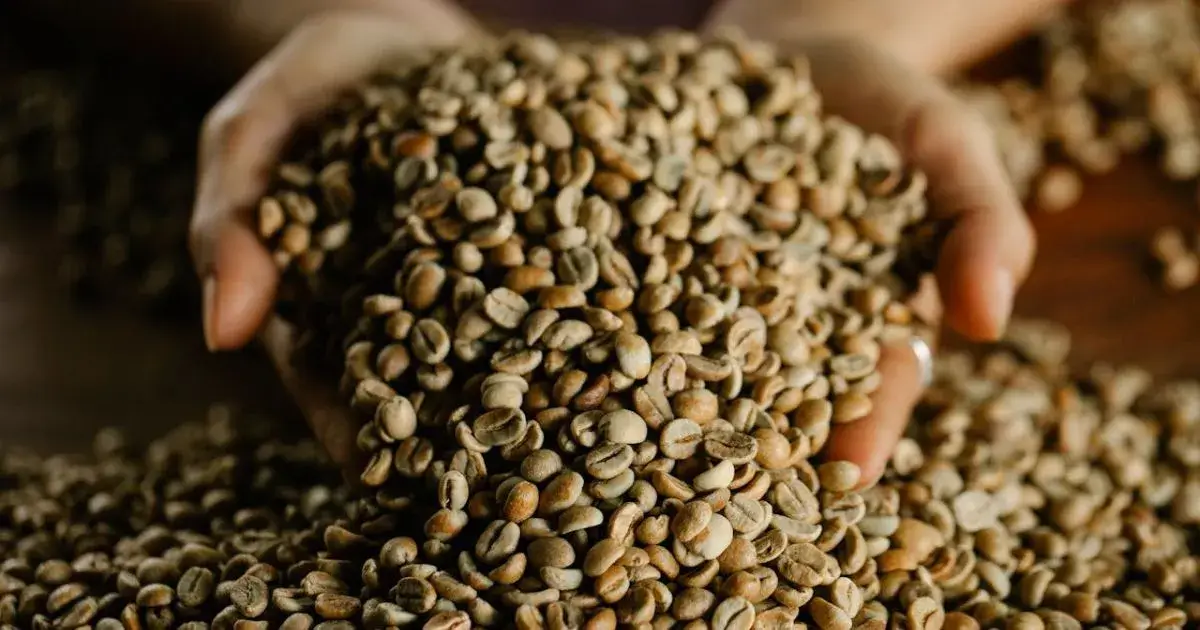
Coffee acts as the world’s favorite morning fuel, yet the weight loss community has shifted its gaze toward the raw, unroasted underdog: Green Coffee.
Unlike your standard dark roast, which incinerates its most potent nutrients during high-heat processing, green coffee beans retain a powerhouse compound called Chlorogenic Acid.
This isn’t just a standard caffeine kick; it is a metabolic ignition switch that roasted beans simply cannot provide.
Here is where the journey often hits a wall.
You buy the premium powder, you brew it religiously, yet the scale refuses to budge.
Why? Because sipping green coffee at the wrong time renders its fat-burning properties nearly useless.
It is not just about what you drink; it is strictly about when you drink it.
When is the Best Time to Drink Green Coffee?
Timing is the difference between a simple beverage and a functional weight loss tool.
To harness the full power of unroasted beans, you must align consumption with your body’s natural rhythms.
Early Morning: The Metabolic Wake-Up Call
Your metabolism naturally slows down while you sleep, effectively entering a state of hibernation.
Drinking green coffee on an empty stomach is the most effective way to jolt your metabolism back into action.
Think of it as the ignition key for your body’s engine.
By introducing it first thing in the morning, you trigger thermogenesis—the process of heat production in organisms—which forces your body to start burning calories before you’ve even touched your breakfast.
This early spike sets a fat-burning pace that lasts throughout the day.
30 Minutes Before Meals: The Glucose Blocker
If you tend to overeat or struggle with carb cravings, this is your most critical window.
Consuming green coffee half an hour before breakfast or lunch serves a dual purpose.
First, it acts as a potent appetite suppressant.
You will sit down to your meal feeling naturally less hungry, making portion control effortless rather than a struggle of willpower.
Second, and more importantly, is the biochemistry.
Chlorogenic Acid actively inhibits the release of glucose into the bloodstream after you eat.
Instead of your body storing that excess sugar as fat, green coffee forces your system to tap into stored lipid reserves for energy.
It essentially changes how your body processes the food you are about to eat.
Before a Workout: The Performance Amplifier
Forget synthetic pre-workout powders loaded with artificial sweeteners.
Sipping green coffee 20 to 30 minutes before exercise maximizes your calorie expenditure.
The caffeine in green coffee is milder than roasted coffee but sufficient to increase endurance and focus.
This energy spike allows you to push harder and lift heavier, while the thermogenic properties ensure you burn a higher percentage of fat during the session.
You get a cleaner energy boost without the jittery crash.
Times to AVOID Drinking Green Coffee
Knowing when not to drink green coffee is just as vital as knowing when to drink it.
Mistiming your dosage can transform a healthy habit into a digestive disruptor, actively working against the goals you are trying to achieve.
Immediately After Meals
The habit of finishing a meal with a warm cup of coffee is culturally ingrained, but scientifically, it is counterproductive.
Drinking green coffee immediately after eating triggers a process specifically known as “nutrient chelation.”
The very compounds that make green coffee beneficial—specifically chlorogenic acid and tannins—bind to essential minerals like iron and calcium in your stomach.
Once bound, your body cannot absorb them, and they are flushed out as waste.
This is effectively biological robbery; you eat healthy food, but the coffee prevents you from utilizing it.
To prevent this nutrient malabsorption and ensure your digestion runs smoothly, wait at least one hour after a meal before pouring your next cup.
Late at Night
Weight loss does not happen while you run; it happens while you recover.
Sleep is the foundation of fat loss, regulating critical hormones like ghrelin (hunger) and cortisol (stress).
While green coffee contains less caffeine than roasted beans, it is a stimulant nonetheless.
Consuming it late in the evening keeps your central nervous system alert, delaying the onset of REM sleep.
Disrupted sleep cycles spike your cortisol levels the next day, which directly signals your body to hold onto abdominal fat.
To protect your recovery window, establish a hard cut-off time: avoid green coffee after 4:00 PM.
How Green Coffee Aids Weight Loss (The “Why”)
To understand why timing matters, you must understand the machinery at work.
Green coffee is not a magic pill; it is a catalyst that alters your internal biochemistry.
The roasted coffee you buy at a cafe is purely for pleasure, but green coffee is for function.
Here is the physiological breakdown of why it strips away fat.
Chlorogenic Acid: The “Magic” Preserved
The fundamental difference between brown and green beans is heat.
Roasting coffee beans at 400+ degrees Fahrenheit adds flavor, but it effectively incinerates the bean’s most valuable asset: Chlorogenic Acid.
Green coffee remains raw, keeping this compound intact and potent. Chlorogenic acid is the primary driver of weight loss.
It works on two fronts. First, it inhibits the enzyme glucose-6-phosphatase, significantly reducing the amount of carbohydrates your body absorbs from the food you eat.
Second, it acts as a metabolic throttle, boosting your Basal Metabolic Rate (BMR).
This means your body burns more calories at rest—while you sit, type, or drive—turning your system into a more efficient furnace 24/7.
Mastering Blood Sugar and Insulin
Fat loss is impossible if your insulin is out of control.
When you eat high-carb foods, your blood sugar spikes, triggering a flood of insulin.
Insulin is a storage hormone; its job is to tell your body to stop burning fat and start storing it.
Green coffee disrupts this cycle.
By slowing down the release of glucose into the bloodstream, it prevents those sharp insulin spikes.
When insulin levels remain stable and low, your body is biologically permitted to access and burn stored adipose tissue.
You aren’t just losing water weight; you are changing the hormonal environment to favor fat loss.
Natural Appetite Suppression
- Most diets fail because of hunger, not a lack of discipline.
- Willpower is a finite resource; eventually, it runs out.
- Green coffee extends your willpower by physically impacting satiety signals.
- It curbs cravings and helps you feel fuller for longer periods.
Instead of fighting the urge to snack between meals, the urge simply disappears.
This makes maintaining a caloric deficit—the only non-negotiable rule of weight loss—feel automatic rather than like a daily battle.
How to Prepare Green Coffee for Best Results
You have the schedule, and you understand the science. Now, you need the technique.
Green coffee has a distinct, grassy flavor—similar to a strong herbal tea—that is vastly different from the rich aroma of roasted beans.
Preparation matters because boiling the life out of the beans can destroy the chlorogenic acid you are trying to extract.
Choose the method that fits your lifestyle.
Method 1: The Soaking Method (For the Purist)
This method requires patience, but it delivers the most concentrated nutrient profile.
It is best suited for those using whole, unroasted beans.
- The Ratio: Take about 15-20 grams of green coffee beans (roughly a tablespoon).
- The Soak: Submerge them in a cup of water and leave them covered overnight. This long soak softens the outer shell and begins the extraction process without heat.
- The Simmer: The next morning, pour the beans and the water into a pan. Bring it to a boil, then immediately turn the heat down to low.
- The Extraction: Let it simmer gently for 15 minutes. You will see the water turn green and eventually darken.
- Serve: Remove from heat, filter through a sieve to catch the beans, and drink the liquid warm.
Method 2: The Instant Powder Method (For the Busy)
If you lack the time for overnight soaking, green coffee powder is your solution.
It is fast, efficient, and great for workplace consumption.
- The Mix: Add one teaspoon of green coffee powder (approx. 5-10g) into a cup.
- The Pour: Add hot water (ideally around 90°C, not violently boiling).
- The Steep: Stir well and let it sit for 5 minutes. Some powders dissolve completely, while coarser grinds may settle at the bottom. Do not filter it; fine particles often contain fiber that aids digestion.
Flavor Hacks: Zero-Calorie Enhancements
Let’s be honest: green coffee can taste bland or slightly bitter.
However, adding sugar or honey destroys the purpose by spiking your insulin immediately.
Use these natural boosters instead to improve taste and accelerate results:
- Cinnamon Stick: Stir your coffee with a cinnamon stick. It masks the grassy taste and synergizes with chlorogenic acid to further stabilize blood sugar levels.
- Fresh Ginger: Grate a pinch of ginger into the boil. This adds a spicy kick and improves thermogenesis (internal heat production).
- Mint Leaves: Crush a few fresh mint leaves into the cup for a refreshing aftertaste that aids in cooling down the gut.
Recommended Dosage & Frequency
More is not always better.
In the world of supplementation, there is a concept known as the “physiological ceiling”—the point where your body stops absorbing benefits and starts experiencing side effects.
glucoseYou cannot drink green coffee like water and expect faster fat loss.
For the vast majority of people, the optimal dosage is 2 to 3 cups per day.
This specific frequency maintains a steady stream of chlorogenic acid in your blood without overwhelming your adrenal glands.
A structured approach yields the best return on investment for your efforts:
- Cup 1: First thing in the morning (Empty stomach).
- Cup 2: 30 minutes before lunch (Appetite control).
- Cup 3 (Optional): Early afternoon or pre-workout (Energy booster).
Safety Check: The Danger of Overconsumption
Do not mistake “natural” for “harmless.” Green coffee is a potent botanical extract, and treating it lightly leads to consequences.
While it has less caffeine than roasted coffee (roughly 20mg per serving compared to 100mg), the cumulative effect is real.
Exceeding 3 cups a day pushes you past the benefit curve and into the danger zone.
Overconsumption leads to distinct, uncomfortable symptoms.
You risk caffeine jitters, heart palpitations, and severe anxiety.
Furthermore, green coffee is acidic.
Drinking too much, especially on an empty stomach without balancing it with water intake, can trigger acid reflux or irritate the stomach lining.
Listen to your body. If you feel anxious or your heart starts racing, you have hit your limit. Dial it back immediately.
Conclusion
Green coffee can affect metabolism, but timing matters.
Drinking it right after a heavy meal may not help much.
The suggested routine is to have one cup in the morning and another about 30 minutes before your main meal.
The idea is that this timing may help manage hunger and support energy levels.
7-Day Trial:
Try this routine for one week. Pay attention to how you feel—your energy, your appetite, and any changes you notice. Your own results will be the best feedback.
(Note: Claims about “fat-burning” effects or specific outcomes aren’t medically proven. If you have health conditions or concerns, check with a healthcare professional.)

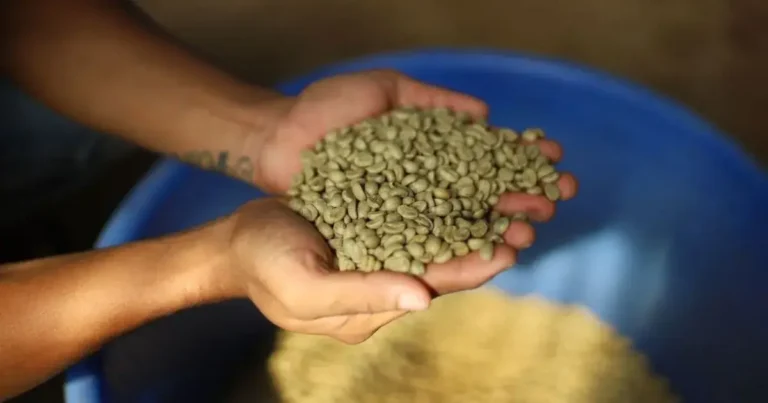




[…] Green coffee bean extract is a popular ingredient in weight-loss supplements. It comes from unroasted coffee beans and contains compounds called chlorogenic acids, along with varying amounts of caffeine. […]