

Rest Day Protein: Whey, Casein, or Plant?
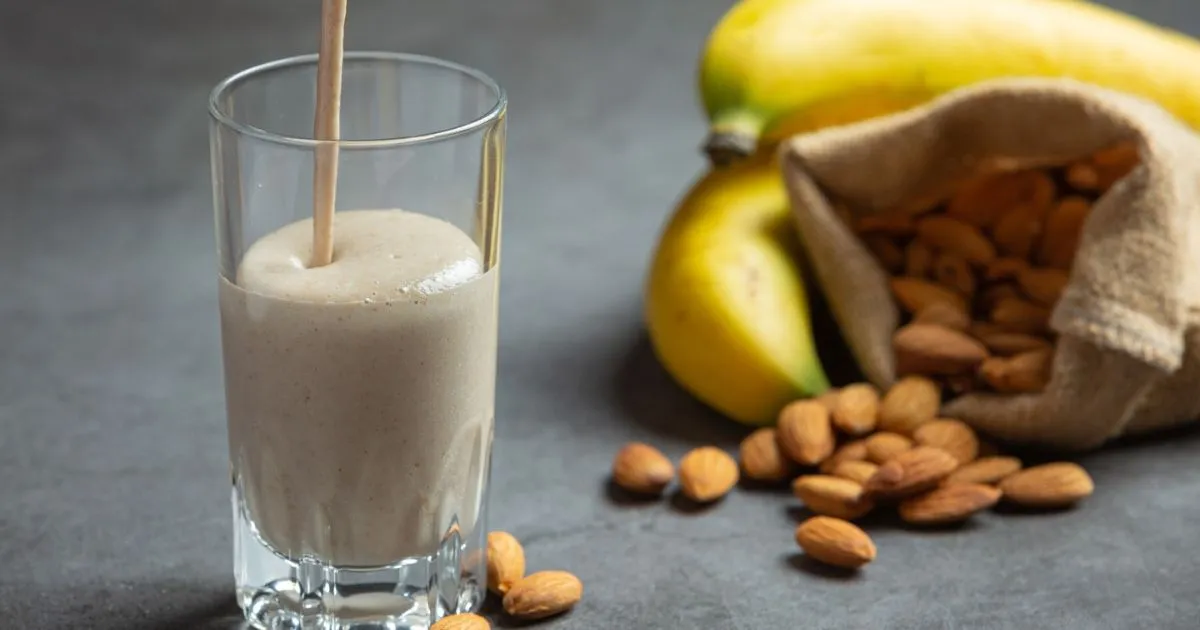
Protein plays a pivotal role in muscle recovery and overall fitness.
It provides the essential amino acids required to repair muscle fibers damaged during exercise, supporting muscle growth and reducing recovery time.
For anyone serious about fitness—whether strength training, endurance sports, or general health—adequate protein intake is non-negotiable.
However, a common question many face is, “Are certain types of protein shakes better suited for rest days?”
While rest days are crucial for allowing muscles to rebuild and replenish energy stores, choosing the right nutrition can significantly impact the recovery process.
Understanding Protein Needs on Rest Days
While rest days allow your muscles to recover from the stresses of exercise, they’re still an important time for protein intake.
Even when not actively training, your body continues to repair and grow muscle tissue.
Understanding how protein supports these processes is key to maximizing recovery.
Muscle Recovery
Even on rest days, muscle repair and growth remain active processes.
During exercise, muscle fibers experience tiny tears that require amino acids for healing.
Protein provides these building blocks, making it essential for recovery, even when you’re not actively training.
Neglecting protein intake on rest days can slow recovery, compromise muscle maintenance, and hinder long-term progress.
Daily Protein Requirements
Your daily protein needs don’t significantly decrease on rest days.
Fitness experts recommend spreading protein consumption evenly throughout the day to support muscle protein synthesis.
According to guidelines from the International Society of Sports Nutrition, individuals aiming for muscle growth or maintenance should consume 1.4 to 2.0 grams of protein per kilogram of body weight, whether it’s a workout or rest day.
Meeting these requirements ensures your body has the resources to repair, rebuild, and prevent muscle breakdown effectively.
Types of Protein Shakes Suitable for Rest Days
Choosing the right type of protein shake on rest days is essential for muscle recovery and overall fitness.
Whether you’re looking for fast or sustained nutrient absorption, the protein type you choose can help optimize the recovery process and maintain muscle health.
Whey Protein
Whey protein is known for its rapid absorption and is often considered the gold standard for post-workout recovery.
Derived from milk, it boasts a high biological value, meaning your body efficiently uses its amino acids for muscle repair.
Rich in branched-chain amino acids (BCAAs), particularly leucine, whey protein stimulates muscle protein synthesis quickly, making it an excellent option for supporting recovery, even on rest days when muscles continue to rebuild after prior workouts.
Casein Protein
In contrast to whey, casein protein digests slowly, providing a sustained release of amino acids over several hours.
This makes it ideal for overnight recovery or periods when meals are spaced out.
By delivering a steady stream of nutrients, casein helps prevent muscle protein breakdown during extended rest.
Incorporating casein shakes or a protein blend before bed can enhance recovery and optimize muscle retention on rest days.
Plant-Based Proteins
For those following vegan or dairy-free diets, plant-based protein shakes offer a variety of effective options, including pea, soy, and brown rice protein.
While some plant proteins may have slightly lower biological values than animal-based proteins, many are now formulated as blends to deliver a complete amino acid profile.
Soy protein is particularly notable for its similarity to whey in terms of amino acid content.
These proteins are suitable for recovery, muscle maintenance, and overall nutritional balance on rest days, making them a viable alternative to whey or casein.
Protein Shake Ingredients to Consider
Choosing the right protein is important, but the ingredients you add to your shake can make a big difference in recovery, taste, and overall nutrition.
Thoughtful additions can enhance muscle repair, improve flavor, and keep your shakes satisfying without unnecessary calories.
Additives for Enhanced Recovery
- Glutamine: An amino acid that supports immune function and muscle recovery by replenishing levels depleted after intense training.
- BCAAs (Branched-Chain Amino Acids): Leucine, isoleucine, and valine directly stimulate muscle protein synthesis and reduce muscle soreness.
- Creatine: A well-researched supplement that boosts muscle energy stores and enhances strength recovery, even on rest days.
Adding these supplements to your protein shake can amplify its benefits, ensuring your muscles recover faster and stay ready for your next workout.
Flavor and Texture Enhancements
- Fruits: Fresh or frozen berries, bananas, or mangoes provide natural sweetness, vitamins, and antioxidants.
- Nut Butters: Almond or peanut butter adds creaminess, healthy fats, and extra protein, improving satiety.
- Oats: A source of fiber and slow-digesting carbs that can keep you full and provide steady energy without spiking insulin levels.
These simple, nutrient-dense additions make your shake more delicious and balanced while supporting your recovery goals.
Timing and Consumption Tips
When it comes to protein shakes on rest days, timing and balance are key to maximizing recovery and maintaining muscle health.
Consuming protein strategically throughout the day helps optimize amino acid availability while combining shakes with whole foods ensures a well-rounded diet.
When to Drink Protein Shakes on Rest Days
- Breakfast: Starting your day with a protein shake jumpstarts muscle repair after the overnight fast and keeps you energized.
- Between Meals: A protein shake can be a convenient option to prevent muscle protein breakdown and maintain steady energy levels.
- Before Bed: Casein protein shakes or blends offer sustained amino acid release during sleep, supporting overnight recovery.
Spreading protein intake across these intervals helps your body remain in a positive nitrogen balance, essential for muscle growth and maintenance.
Balancing with Whole Foods
While protein shakes are convenient, relying exclusively on them is not ideal.
Whole foods offer additional vitamins, minerals, and fiber.
Incorporate options like:
- Eggs, chicken, or turkey for high-quality animal protein
- Quinoa, lentils, or tofu for plant-based alternatives
A balanced approach ensures you meet your overall nutritional needs while keeping protein levels sufficient for optimal recovery.
Potential Downsides of Certain Protein Shakes
While protein shakes offer convenience and nutritional benefits, they’re not without potential drawbacks.
Awareness of these issues helps you make smarter choices and avoid pitfalls that could undermine your health or fitness goals.
Digestive Issues
Some protein shakes, particularly those made with whey protein concentrate, can cause bloating, gas, or diarrhea in individuals sensitive to lactose.
Opting for whey protein isolate, which contains minimal lactose, or plant-based alternatives like pea or soy protein can reduce these symptoms and improve digestive comfort.
Also, shakes with artificial sweeteners may exacerbate gastrointestinal discomfort.
Nutritional Imbalance
Relying too heavily on protein shakes may lead to a nutritional imbalance by crowding out other essential nutrients found in whole foods.
A well-rounded diet should include a variety of macronutrients and micronutrients from fruits, vegetables, whole grains, and lean proteins.
Protein shakes should complement—not replace—balanced meals.
Expert Opinions on Protein Choices
When it comes to choosing the right protein shakes for rest days, insights from nutritionists and fitness experts can provide clarity.
The consensus emphasizes tailoring protein intake to individual needs, ensuring both effectiveness and sustainability in supporting recovery and overall health.
Insights from Nutrition Experts
According to registered dietitians, casein protein is often recommended for rest days due to its slow digestion and prolonged amino acid release, making it ideal for muscle maintenance during periods of inactivity.
Alternatively, plant-based protein blends that combine pea, rice, or hemp protein offer a complete amino acid profile for those following vegan diets or seeking dairy-free options.
Individual Preferences and Dietary Goals
Experts agree that the best protein source is the one that fits your lifestyle and goals.
For those focusing on muscle growth, shakes rich in leucine (found in whey) can be highly effective.
However, individuals prioritizing weight management might benefit from low-calorie, high-fiber plant-based shakes to support fullness and nutrient diversity. Ultimately, variety and balance are key.
Incorporating whole foods alongside protein shakes provides the most comprehensive approach to recovery nutrition.
Conclusion
In conclusion, selecting the best protein shake for rest days largely depends on your specific fitness goals, dietary preferences, and how your body responds to different protein sources.
- Whey protein, with its fast absorption and rich amino acid profile, remains a top choice for quick recovery.
- Casein protein offers sustained amino acid release, making it ideal for overnight or long-duration recovery.
- Plant-based proteins like pea or soy offer effective alternatives for those avoiding animal products, with the added benefit of supporting overall nutritional diversity.
Ultimately, the most effective protein shake is the one that aligns with your unique nutritional needs and recovery objectives.
Remember, balance is key—while protein shakes can complement your diet, whole food sources should remain a central part of your nutrition plan.
By considering your personal goals, digestive comfort, and nutritional preferences, you can make an informed choice that supports your muscle recovery and keeps you on track for your fitness journey.