

36-Hour Fast: How to Do It, Benefits and Risks

A 36-hour fast means no food for a day and a half. Finish dinner at 7 p.m. on Monday and your next meal is breakfast at 7 a.m. on Wednesday, so all of Tuesday’s meals are gone. Water, black coffee and plain tea are fine. You may also see it called a monk fast.
Is it worth doing? As an occasional way to eat less, it can work, but the payoff is smaller than most people expect. If you normally eat about 2,000 calories a day, skipping Tuesday removes about 2,000 calories. By the rough estimate of 3,500 calories per pound, that is a little over half a pound of fat, and only if you don’t eat it back later. Claims about cancer, immunity and a longer life have not been proven in people.
Skip this fast if you are under 18, pregnant or breastfeeding, have type 1 diabetes, or have had an eating disorder. If you take any other diabetes medicine, talk to your doctor first, because fasting can push blood sugar dangerously low.
Updated November 2026. This is general information, not medical advice.
How to do a 36-hour fast
- Build up to it. If you have never skipped a meal on purpose, start with a 16:8 schedule, then try 24 hours. Johns Hopkins says it can take two to four weeks for your body to get used to intermittent fasting.
- Pick quiet days. Avoid hard training, long drives and big deadlines. Start after dinner: if you sleep 8 hours a night, about 16 of the 36 hours pass while you are asleep.
- Eat a normal dinner. There is no need to stuff yourself beforehand.
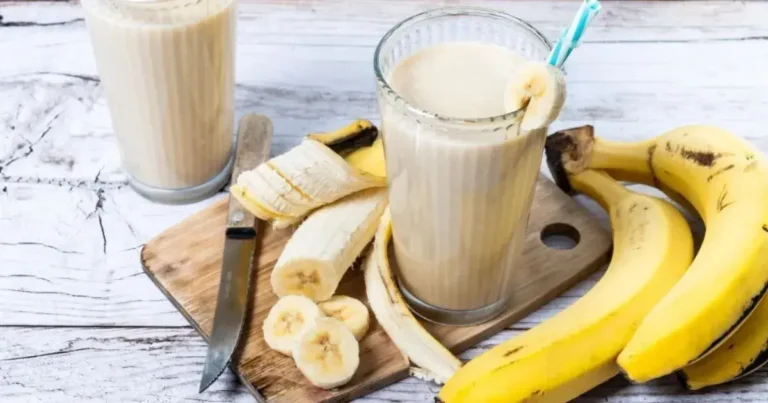
- Stick to drinks with no calories. Milk, sugar, juice and protein shakes all add calories. Keep drinking water. A “dry” fast with no fluids at all, which some social media posts promote, invites dehydration, so don’t do it.
- Keep moving, gently. A walk is fine. Save hard sessions for after you eat. In a small study of 14 trained men, a moderate workout after a 36-hour fast disturbed immune and inflammation markers more than the same workout when they had eaten. If you like to train on an empty stomach, read what the evidence says about fasted cardio.
- Know your stop signs. Hungry and grumpy is normal. Dizzy, shaky or confused is not, so end the fast and eat.
- Break it with a normal-size meal. Not a feast. There are ideas further down.
36-hour fast calculator: work out your schedule
Enter the time your last meal ends. Finish at 7 p.m. on Monday and you reach 12 hours at 7 a.m. on Tuesday, 24 hours at 7 p.m. on Tuesday, and your next meal at 7 a.m. on Wednesday.
Stop early if you feel dizzy, shaky or confused. Nothing you enter leaves your browser.
What happens during a 36-hour fast: the stages
There is no exact clock. One review puts the body’s switch from stored sugar to fat and ketones somewhere between 12 and 36 hours after your last meal, depending on how much glycogen (stored sugar) your liver holds and how active you are. Treat this table as a rough guide.
| Hours since last meal | What is going on | What you may notice |
|---|---|---|
| 0 to 12 | You digest your last meal, then draw on glycogen stored in your liver. | Usually little. Much of this stretch is overnight. |
| 12 to 24 | Your body moves toward burning fat and making ketones. | Hunger, irritability, low energy. |
| 24 to 36 | Fat and ketones supply more of your energy. In a 2019 trial, ketone levels were higher at 36 hours than at 12. | Persistent hunger, low energy, feeling more sensitive to temperature. |
36-hour fast benefits: what the research actually shows
Weight loss is real in the short term. Almost everything else is unproven, and most of these studies are small.
| Claim | What we found |
|---|---|
| Weight loss | Yes in the short term, mainly because you eat less |
| Better insulin sensitivity | Not shown |
| Autophagy (“cell cleanup”) | Fasting triggers it, but the change measured in human muscle at 36 hours was modest |
| Stronger immune system | Not shown, and early signals point both ways |
| Cancer protection | Unknown |
| Longer life | Seen in worms and other model organisms, not in people |
Weight loss
The closest direct test is a 2019 trial in Cell Metabolism. Sixty healthy adults aged 35 to 65 entered it. For 4 weeks, the fasting group repeated a strict 36-hour fast followed by 12 hours of eating as much as they wanted, while a control group ate normally. The fasters cut their calories by 37% on average. Their BMI fell by 1.23 points and their trunk fat by 14.5%.
That is a fast every other day for a month, so don’t expect those numbers from one fast.
The longest test we found is a one-year trial of 100 adults with obesity, and it used a gentler version: 25% of calorie needs on fast days. People lost about the same as those on a plain daily calorie cut (6.0% vs 5.3% relative to the control group at 12 months). More of them quit, 38% vs 29%. Their LDL cholesterol also ended up 11.5 mg/dL higher than the daily-cut group’s, although the 2019 trial found lower LDL in people who had fasted for more than 6 months, so the picture on cholesterol is mixed.
Insulin and blood sugar
The 2019 trial found no change in insulin sensitivity. The one-year trial found no significant difference from daily calorie cutting in fasting glucose, fasting insulin or insulin resistance. So if someone promises that a 36-hour fast will fix your insulin, ask to see the study.
Autophagy
Autophagy is how cells break down and recycle worn-out parts. Fasting does trigger it in many tissues. But when researchers took muscle samples from people during a 36-hour fast, the changes were modest and showed up in untrained people, not trained ones. That is one tissue in one study. We did not find human data behind the hour-by-hour autophagy timelines you may see online.
Immune system
The evidence is thin. A pilot study of 20 young adults found favorable effects on immune cells called macrophages after a 36-hour fast. In the study of 14 men mentioned above, fasting made immune markers look worse after exercise. Neither study looked at whether people actually got sick less often.
Cancer
A 2021 review in CA: A Cancer Journal for Clinicians says the effect of intermittent fasting on human cancer risk and outcomes is unknown, because high-quality trials are missing. Its authors would not recommend it during active cancer treatment outside a clinical trial.
Longer life
The same pilot study found compounds that rose during the fast. Given to tiny worms called C. elegans, those compounds extended median lifespan by as much as 96%. Worms are not people. The National Institute on Aging says there is still much to learn about these diets, including whether they are safe and doable over the long term.
Liver fat and blood fats
A fast does more than “burn fat.” In a 2008 study of 8 healthy young men, liver fat rose by a median of 156% after 36 hours without food, with no significant change after 12 hours. It was measured right at the end of the fast, so it can’t tell you how long the rise lasts or whether it matters. A 2023 pilot of 20 healthy adults found that 245 of 832 blood fats changed after one 36-hour water-only fast. These are lab findings, not proof of harm or benefit.
Side effects and when to stop a 36-hour fast
Cleveland Clinic lists irritability, low energy, persistent hunger and temperature sensitivity among the side effects of intermittent fasting. Johns Hopkins says to see a doctor if you get unusual anxiety, headaches or nausea.
Dizziness is not something to push through. End the fast if you notice any of these, which can be signs of low blood sugar:
- Feeling shaky or jittery
- Dizziness or lightheadedness
- Confusion
- A fast or unsteady heartbeat
- Trouble seeing or speaking clearly
Have half a cup of juice or another 15 to 20 grams of fast-acting carbs, then eat a meal. Call 911 if someone faints, has a seizure or has chest pain.
Wondering about salt and other minerals? We cover that in our guide to electrolytes while fasting.
Who should not do a 36-hour fast
Based on guidance from Johns Hopkins and Cleveland Clinic, skip it if you:
- Are under 18
- Are pregnant or breastfeeding
- Have type 1 diabetes and take insulin
- Have a history of an eating disorder, because strict fasting windows can trigger or worsen restrictive behavior
- Are malnourished or prone to low blood sugar
Talk to your doctor or pharmacist first if you:
- Take diabetes medicine. Insulin, sulfonylureas and meglitinides can cause low blood sugar, and doses may need adjusting on fasting days.
- Take any regular prescription. Short-term fasting changes how the body processes some drugs.
- Have a chronic illness or are in perimenopause.
What to eat after a 36-hour fast
We found no study that tests the best first meal, so this is practical advice, not science. Aim for a normal-size meal that is easy to eat, and stop when you are comfortably full.
- Two eggs with toast
- Plain yogurt with berries
- Chicken or lentil soup
- Rice with chicken and cooked vegetables
Then go back to your usual meals. Two days of double portions would close the calorie gap the fast created.
You may also read warnings about refeeding syndrome, a dangerous shift in blood minerals when someone starts eating again. Guidance in the BMJ flags people who have eaten almost nothing for more than five days, so it mainly applies to much longer fasts or to people who are already malnourished.
36-hour fast FAQs
How much weight can you lose on a 36-hour fast?
A little over half a pound of fat, if you normally eat about 2,000 calories and don’t make it up later. The scale may show more the next morning because glycogen is stored with three to four parts water, and that water can come back when you eat carbs again. If your weight won’t move over several weeks, see why you may not be losing weight in a calorie deficit, or set a daily target with our macro calculator.
Is a 36-hour fast safe?
For healthy adults, the limited research has not shown serious harm. The 2019 trial reported no adverse effects, even in a separate group that had fasted on alternate days for more than 6 months, though its authors point to a small sample and selection bias. A Cleveland Clinic dietitian says alternate-day fasting “isn’t recommended” because it is so restrictive. And it is not safe for the groups listed above.
How often can you do a 36-hour fast?
Nobody has shown an ideal schedule. We searched PubMed in November 2026 and found no controlled trial of a once-a-week 36-hour fast. The nearest thing is a 2024 case report of 36-hour fasts twice a week for 82 weeks, and that is one person’s record, not a basis for advice. We would keep it occasional. A daily calorie target is easier to stick with, and the one-year trial above found it worked just as well.
Does coffee break a 36-hour fast?
Black coffee and plain tea don’t. Milk, cream, sugar and flavored syrups add calories, so they do.
Is a 36-hour fast different for women?
Don’t do it if you are pregnant or breastfeeding, and Cleveland Clinic urges caution during perimenopause. We found no trial of 36-hour fasts timed around the menstrual cycle, so be wary of cycle-based schedules sold as proven. The one-year trial above was mostly women (86 of 100), though it tested a gentler fast.
36-hour fast vs 24-hour vs 72-hour: which is better?
If the goal is eating less, pick the shortest one you can repeat. A 24-hour fast, dinner to dinner, skips about two meals. A 36-hour fast skips a full day. A 72-hour fast is a much bigger step. See our 36-hour vs 72-hour fast comparison.
Does a 36-hour fast “reset” your body?
Not in any way research has shown. Your blood chemistry clearly changes during the fast, but we found nothing showing that those changes last.
Sources
- Stekovic S, et al. Alternate day fasting improves physiological and molecular markers of aging in healthy, non-obese humans. Cell Metabolism, 2019.
- Trepanowski JF, et al. Effect of alternate-day fasting on weight loss, weight maintenance, and cardioprotection. JAMA Internal Medicine, 2017.
- Anton SD, et al. Flipping the metabolic switch. Obesity, 2018.
- Bagherniya M, et al. The effect of fasting or calorie restriction on autophagy induction. Ageing Research Reviews, 2018.
- Dethlefsen MM, et al. Training state and skeletal muscle autophagy in response to 36 h of fasting. Journal of Applied Physiology, 2018.
- Mooren FC, et al. Combined effects of moderate exercise and short-term fasting on markers of immune function. American Journal of Physiology, 2020.
- Rhodes CH, et al. Human fasting modulates macrophage function. American Journal of Clinical Nutrition, 2023.
- Hong BV, et al. A single 36-h water-only fast vastly remodels the plasma lipidome. Frontiers in Cardiovascular Medicine, 2023.
- Moller L, et al. Fasting in healthy subjects is associated with intrahepatic accumulation of lipids. Clinical Science, 2008.
- Clifton KK, et al. Intermittent fasting in the prevention and treatment of cancer. CA: A Cancer Journal for Clinicians, 2021.
- Kreitzman SN, et al. Glycogen storage: illusions of easy weight loss. American Journal of Clinical Nutrition, 1992.
- Borer KT. Twice-weekly 36-hour intermittent fasting practice: a case report. Cureus, 2024.
- Lammers LA, et al. Short-term fasting alters pharmacokinetics of cytochrome P450 probe drugs. European Journal of Drug Metabolism and Pharmacokinetics, 2018.
- Grajower MM, et al. Clinical management of intermittent fasting in patients with diabetes mellitus. Nutrients, 2019.
- Mehanna HM, et al. Refeeding syndrome: what it is, and how to prevent and treat it. BMJ, 2008.
- Johns Hopkins Medicine. Intermittent fasting: what is it, and how does it work?
- Cleveland Clinic. Intermittent fasting: 4 different types explained.
- Cleveland Clinic. Dehydration.
- National Institute of Diabetes and Digestive and Kidney Diseases. Low blood glucose (hypoglycemia).
- National Institute on Aging. Calorie restriction and fasting diets: what do we know?






[…] Fasting, in its various forms, offers numerous benefits, such as weight loss, improved mental clarity, reduced inflammation, and increased longevity. […]