
Pink Salt Trick Recipe for Weight Loss: Does It Work?

The “pink salt trick” is a viral drink made with warm water, Himalayan pink salt, and lemon, often marketed online as a “natural Ozempic” or metabolism-reset hack.
Short videos and influencer posts frame it as a fast way to reduce bloating or lose weight, sometimes adding apple cider vinegar or cayenne.
But the real evidence is much thinner than the marketing, and any benefits usually come from hydration or replacing higher-calorie drinks.
Here’s what the recipe includes, why people think it works, and what the science actually says.
If you want a narrower variation, see our guides to the Oprah pink salt rumor, pink salt under the tongue, and the 15-second salt trick for men.
What people mean by the “Pink Salt Trick” — Recipe & variations
When people talk about the pink salt trick, they’re usually referring to a very specific morning drink.
The recipe spreading across TikTok and YouTube Shorts follows the same pattern with slight variations:
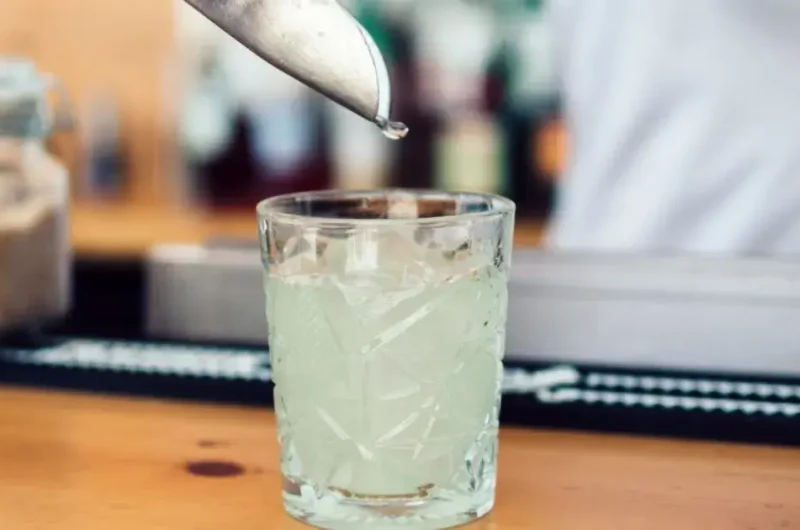
The Pink Salt Trick Recipe
Servings
1
servingsPrep time
5
minutesCooking time
2
minutesCalorieskcal
While the "pink salt trick" has a single goal, it comes in a few different variations. Each recipe is simple, with most ingredients likely already in your kitchen.
Ingredients
8–12 oz of purified water, either cold or room temperature.
¼ to ½ teaspoon of high-quality, finely ground Himalayan pink salt.
Directions
- Stir the pink salt into the water until it is fully dissolved.
- Drink it immediately upon waking, ideally at least 30 minutes before eating breakfast.
The Enhanced “Detox” Version:
- Warm 8–12 ounces of water (not boiling).
- Add ¼ to ½ teaspoon of Himalayan pink salt.
- Squeeze in the juice of half a fresh lemon.
- Stir well and drink immediately after waking up.
That’s the foundation. But many viral clips add their own twists:
- A splash of apple cider vinegar for “detox” appeal.
- A pinch of cayenne pepper for spice and metabolism buzz.
- A drizzle of honey to balance the sharp taste.
Why the Add-Ins?: Apple cider vinegar is included for its connection to stabilizing blood sugar levels, while lemon juice adds a dose of Vitamin C and antioxidants that support detoxification.
Why people think it works — the claimed mechanisms
Supporters of the pink salt trick point to a handful of supposed benefits that explain its popularity.
The most common claim is an electrolyte boost.
Because Himalayan salt contains trace minerals like magnesium, potassium, and calcium, the drink is said to restore balance after a night’s rest.
Others suggest it improves digestion, arguing that lemon juice stimulates stomach acid production and bile flow, which could help break down food more efficiently.
A frequent selling point is that it “flushes fat” or toxins, presenting the mix as a natural cleanse.
Some videos highlight appetite suppression, saying the salty-sour taste helps reduce cravings and keeps people from overeating at breakfast.
Another popular hook is a metabolic boost — the idea that warm water with salt and lemon revs up calorie burning throughout the day.
It’s important to note that these explanations are mostly anecdotal and repeated in marketing-style content.
While hydration and replacing high-calorie morning drinks can support healthier habits, there is no scientific proof that pink salt water directly melts fat or resets metabolism.
The claims fuel the buzz, but evidence is lacking.
What the science actually says
Despite its viral popularity, there is no high-quality human research showing that drinking warm water with pink Himalayan salt and lemon leads to weight loss.
No clinical trial has demonstrated fat burning, metabolic resets, or detox effects from this recipe.
What’s more likely driving any short-term changes are simple, well-understood factors:
- Hydration. Starting the day with water helps replenish fluids after sleep, which can reduce fatigue and bloating.
- Replacing calories. Choosing salt-lemon water instead of a sweetened latte or juice lowers morning calorie intake, which can support weight control.
- Temporary water shifts. Salt can alter fluid balance, creating short-term changes on the scale that aren’t actual fat loss.
Nutrition experts consistently caution that these outcomes are not the same as fat reduction.
The American Heart Association and registered dietitians emphasize that sodium, whether from table salt or Himalayan salt, does not trigger fat burning.
Himalayan salt is compositionally similar to regular salt — about 98% sodium chloride — with trace minerals that don’t affect weight management in measurable ways.
Some preclinical and mechanistic studies have explored how mineral salts influence metabolism, but these experiments are either in animals or in highly controlled lab settings.
They show potential impacts on blood sugar regulation, oxidative stress, or blood pressure — but none translate into proven human weight-loss benefits.
In some cases, excessive intake of specialty salts was linked to health risks rather than benefits.
The bottom line is clear: there is no scientific evidence that the pink salt trick causes fat loss.
Any benefit comes indirectly from drinking water, eating fewer calories, or forming new routines.
Relying on this drink as a standalone solution overlooks the fundamentals of weight management — balanced nutrition, regular physical activity, and sustainable lifestyle habits.
Risks and safety
While the pink salt trick looks harmless on the surface, there are real concerns to keep in mind.
Himalayan pink salt is often marketed as a healthier alternative, but nutritionally it is almost identical to table salt — about 98% sodium chloride with trace minerals that don’t provide meaningful health advantages.
The main issue is sodium intake.
Consuming too much sodium is strongly linked to high blood pressure, increased risk of heart disease, kidney strain, and fluid retention.
For people already managing conditions like hypertension, cardiovascular disease, or kidney problems, adding extra salt to a daily drink can be especially risky.
Health organizations recommend limiting sodium intake to no more than 2,300 mg per day, with an ideal target of 1,500 mg for many adults.
A single “pinch” may seem small, but consistent use on top of other dietary sodium can quickly add up.
- Another concern is iodine deficiency.
- Most specialty salts, including Himalayan pink salt, are not iodized.
- odized table salt has been a key source of iodine, which supports thyroid health.
- Replacing it long-term with pink salt increases the chance of missing this essential nutrient.
- Finally, some recipe variations include honey or other sweeteners.
Even small amounts add calories. When consumed daily, this can work against weight-loss efforts by providing unnecessary sugar.
If someone wants to try it — safe way to experiment
For those still curious about the pink salt trick, the key is to approach it with caution and moderation.
The viral recipe often shows anywhere from ¼ to ½ teaspoon of Himalayan salt, but that’s more sodium than many people realize.
- A small pinch is a safer choice if you decide to try it.
- Always account for sodium from other foods throughout the day.
- It’s best to avoid this drink entirely if you have high blood pressure, heart disease, kidney issues, or if you are pregnant.
Likewise, anyone taking medications that affect fluid balance — such as diuretics or ACE inhibitors — should consult a healthcare professional before experimenting.
Another important reminder: this drink should never be treated as a weight-loss solution on its own.
Any real and lasting fat loss comes from nutrition, activity, and sustainable habits.
At most, pink salt water offers a short-term hydration boost and can serve as a low-calorie alternative to sugary beverages in the morning.
Evidence-based alternatives that actually help with weight loss
Unlike quick-fix hacks, effective weight loss relies on strategies backed by solid research and clinical guidance.
The foundation is creating a caloric deficit, meaning you consume fewer calories than your body burns.
This doesn’t require extreme restriction — focusing on nutrient-dense foods while cutting back on calorie-heavy, low-nutrition items makes the process sustainable.
Protein intake plays a major role.
Eating adequate protein helps preserve muscle mass during weight loss, increases satiety, and can slightly boost metabolism through the energy required to digest it.
Pairing higher protein with resistance training supports muscle retention and long-term body composition improvements.
Exercise variety matters, too.
High-intensity interval training (HIIT) has been shown to burn calories efficiently in shorter periods while improving cardiovascular health.
Combining HIIT with strength training and regular activity builds a balanced approach.
Behavior and lifestyle changes carry equal weight.
Tracking food intake, planning meals, managing stress, and setting realistic goals all improve adherence.
For some, joining a structured weight management program provides accountability and guidance.
In certain situations, especially for individuals with obesity or related health concerns, clinician-supervised medications or medical interventions can be appropriate.
These should always be guided by a healthcare professional to ensure safety and effectiveness.
Simple daily habits also matter.
Staying well-hydrated supports energy levels and helps reduce mistaking thirst for hunger.
Choosing fiber-rich foods — vegetables, fruits, legumes, whole grains — aids digestion and promotes fullness, making it easier to maintain a lower calorie intake without constant hunger.
Conclusion
The pink salt trick is a viral recipe of warm water, lemon, and a pinch of Himalayan salt.
While it looks appealing in quick clips, there is no scientific evidence that it burns fat or resets metabolism.
For most healthy people, an occasional glass is likely harmless, but overdoing it raises sodium concerns and doesn’t replace real nutrition strategies.
Lasting weight loss comes from evidence-based habits: balanced eating, regular exercise, adequate protein, hydration, and sustainable lifestyle changes.
In short: enjoy the drink if you like the taste, but don’t rely on it as a shortcut.
Focus on proven approaches for results that last.