

Lemon & Salt Scrub for Pimples: What to Know
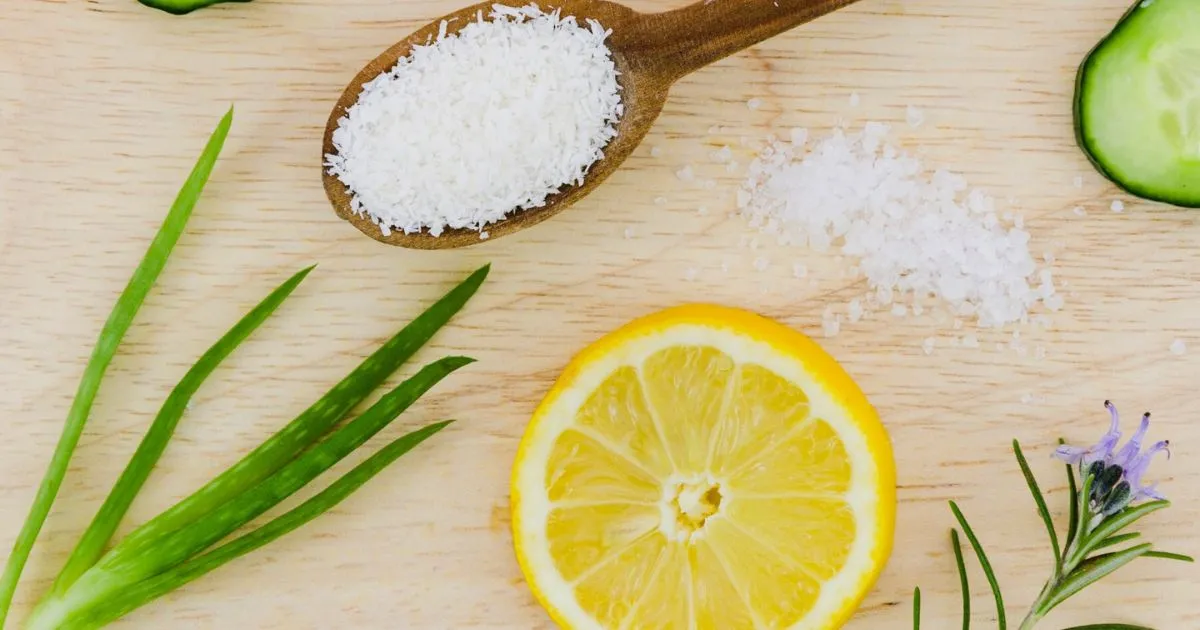
Dealing with acne is a common struggle for people of all ages, from teenagers to adults.
The quest for clear skin often leads to various treatments, including over-the-counter medications, prescription solutions, and an array of home remedies.
Among these, natural remedies have gained popularity due to their affordability and accessibility.
One such remedy involves the use of lemon and salt—ingredients easily found in most kitchens.
Known for their distinct properties, lemon, and salt are often touted for their ability to combat pimples and improve skin health.
What Causes Acne?
Acne develops when pores in the skin become clogged.
The primary culprits behind this condition include:
- Excess oil production: The sebaceous glands produce oil (sebum) to keep the skin moisturized, but excessive sebum can clog pores.
- Bacteria buildup: Cutibacterium acnes (C. acnes), a type of bacteria that lives on the skin, can multiply in clogged pores, leading to inflammation and pimples.
- Dead skin cells: Normally, dead skin cells shed from the skin’s surface. When combined with excess oil, these cells can block pores, contributing to acne formation.
Additional factors like hormonal changes, diet, stress, and improper skincare routines can also exacerbate the problem.
Common Types of Acne
Understanding the different types of acne can help in choosing the right treatment:
- Whiteheads: Closed clogged pores that form small, white bumps.
- Blackheads: Open clogged pores where oil and dead skin cells darken due to oxidation, creating a black appearance.
- Papules: Small, red, inflamed bumps caused by irritation or bacterial infection.
- Pustules: Pimples containing pus, often red at the base with a yellow or white top.
- Cystic Acne: Deep, painful cysts filled with pus, often causing scarring if not treated properly.
The Role of Lemon in Acne Treatment
Lemon is a popular natural remedy for acne due to its potent properties that target key factors contributing to breakouts.
Rich in citric acid and antioxidants, lemon juice offers antibacterial, astringent, and exfoliating benefits that can help combat pimples and promote clearer skin.
Antibacterial Properties
Lemon juice contains citric acid, which has antimicrobial effects that help combat Propionibacterium acnes (P. acnes), the bacteria linked to acne development.
By reducing bacterial presence, lemon juice can assist in decreasing the frequency and severity of acne flare-ups.
Astringent Effects
The citric acid in lemon acts as a natural astringent, reducing oil production and tightening skin.
This effect minimizes pore size, helping prevent oil and dirt buildup that leads to acne.
The result is a less oily and more refined complexion.
Exfoliation Benefits
Lemon juice promotes gentle exfoliation, removing dead skin cells from the skin’s surface.
This prevents clogged pores, a major cause of acne.
Regular exfoliation with lemon can help maintain smoother, clearer skin by keeping pores free of debris and excess sebum.
The Role of Salt in Acne Treatment
Salt, a common household ingredient, is valued for its natural cleansing properties.
It acts as a gentle exfoliant and possesses antiseptic qualities that can help in managing acne by keeping the skin clean and reducing inflammation.
Natural Exfoliant
Salt’s granular texture makes it an effective natural exfoliant.
It helps scrub away dead skin cells that accumulate on the skin’s surface, preventing clogged pores—one of the main causes of acne.
By promoting cell turnover, salt leaves the skin smoother and fresher, allowing healthier skin to emerge.
Antiseptic Qualities
Salt contains antiseptic and antibacterial properties that help disinfect the skin, targeting bacteria that contribute to acne.
Its anti-inflammatory effect can also reduce redness and swelling around pimples, aiding in faster healing.
Sea salt, in particular, is rich in minerals like magnesium and potassium, which can help soothe irritated skin and restore its balance.
How to Use Lemon and Salt for Pimples
Combining lemon and salt creates a powerful remedy to target pimples directly.
When used correctly, this mixture can help exfoliate the skin, fight bacteria, and reduce oiliness.
Proper preparation and application are key to maximizing benefits while minimizing irritation.
Basic Lemon and Salt Paste Recipe
Ingredients:
- 1 tablespoon of sea salt (preferably fine grain for gentler application)
- 1 teaspoon of freshly squeezed lemon juice
- 1 teaspoon of honey (optional, for added moisture and antibacterial benefits)
Instructions:
- Mix the salt and lemon juice in a small bowl until it forms a thick paste.
- Add honey if desired, blending well to create a smoother consistency.
- Ensure the paste is not too runny to prevent dripping during application.
Application Methods
Spot Treatment:
Apply a small amount of the paste directly onto individual pimples.
Leave it on for 5–10 minutes before rinsing with lukewarm water.
Full Face Application (for oily skin only):
Gently spread a thin layer across the face, avoiding the eye and lip areas.
Let it sit for no more than 5 minutes before rinsing thoroughly.
Frequency of Use
Due to the acidity of lemon and the abrasiveness of salt, this treatment should be used no more than 1–2 times per week.
Overuse can lead to skin irritation and dryness. Always follow up with a gentle moisturizer to keep skin hydrated.
Safety Precautions
While lemon and salt can be effective for treating pimples, improper use may lead to skin irritation and other issues.
Following safety guidelines ensures a positive experience and avoids potential harm.
Skin Sensitivity Considerations
Lemon juice is highly acidic, and salt can be abrasive, making this remedy potentially irritating—especially for sensitive or dry skin.
Symptoms like redness, burning, or excessive dryness indicate the treatment may be too harsh.
Always perform a patch test on a small area of skin before full application.
Dilution Recommendations
To reduce the risk of irritation, diluting lemon juice with water is essential.
A 1:1 ratio of lemon juice to water helps maintain effectiveness while minimizing harsh effects on the skin.
Alternatively, adding a soothing agent like honey can further balance the mixture.
Sun Sensitivity Warning
Lemon juice contains compounds that can increase photosensitivity, making the skin more prone to sunburn.
To prevent damage, use this remedy at night and apply a broad-spectrum sunscreen the following day to protect the skin from UV rays.
Alternative Remedies for Acne
While lemon and salt can be effective for mild acne, other natural and over-the-counter options may also help manage acne.
In more severe cases, professional consultation is recommended for the best results.
Other Natural Treatments
- Aloe Vera: Known for its soothing and anti-inflammatory properties, aloe vera can help calm irritated skin and reduce redness.
- Tea Tree Oil: This essential oil has antimicrobial properties that can target acne-causing bacteria. It’s often used as a spot treatment.
- Over-the-Counter Products: Products containing benzoyl peroxide, salicylic acid, or retinoids are widely used to treat acne and can be effective for more persistent breakouts.
Consulting a Dermatologist
For persistent or severe acne, or if home remedies aren’t providing relief, it’s essential to consult a dermatologist.
A professional can recommend prescription treatments or therapies tailored to your skin type and acne severity, helping to achieve clearer skin more efficiently and safely.
Conclusion
Lemon and salt offer a simple, natural approach to managing pimples, with their antibacterial, astringent, and exfoliating properties.
When used correctly, this remedy can help reduce acne, unclog pores, and promote clearer skin.
However, it’s important to be mindful of your skin type and sensitivity, as both lemon and salt can cause irritation if overused or applied improperly.
We encourage you to give this remedy a try, but always start with a patch test and use it in moderation.
For persistent or severe acne, don’t hesitate to seek professional advice from a dermatologist to ensure the best care for your skin.