
Can Japanese Green Tea Extract Burn Fat?
Japanese green tea extract is everywhere—and not by accident.
From matcha lattes on social feeds to supplements marketed as “EGCG-powered,” green tea has moved from a traditional drink into a modern weight-loss and metabolic wellness staple.
The appeal is easy to see: it feels clean, time-tested, and science-backed.
The problem is that green tea, green tea extract, and matcha are often treated as interchangeable, even though they affect the body differently.
That confusion fuels unrealistic expectations—and sometimes improper use.
What Is Japanese Green Tea Extract?
Japanese green tea extract is a concentrated form of green tea compounds, designed to deliver the most biologically active elements of the tea leaf in a much smaller dose than brewed tea.
How it’s made — and what it contains
The extract is produced by steeping or processing green tea leaves (usually Japanese-grown) in water or alcohol, then removing most of the liquid.
What remains is a potent concentrate, often dried into a powder or encapsulated.
What matters most inside the extract:
- Catechins – powerful plant antioxidants
- EGCG (epigallocatechin gallate) – the most studied compound for fat oxidation and metabolic support
- Natural caffeine – typically lower than coffee but synergistic with EGCG
- Polyphenols & flavonoids – linked to insulin sensitivity and cellular health
EGCG is the headline compound when weight loss is the goal.
Most quality extracts are standardized to ensure a consistent EGCG percentage—something brewed tea can’t guarantee.
Popular Japanese green tea varieties linked to weight loss
While extracts may come from blended sources, these Japanese teas are most commonly associated with metabolic and fat-loss research:
Sencha
- The most widely consumed green tea in Japan.
- High in catechins and often used as a base for extracts.
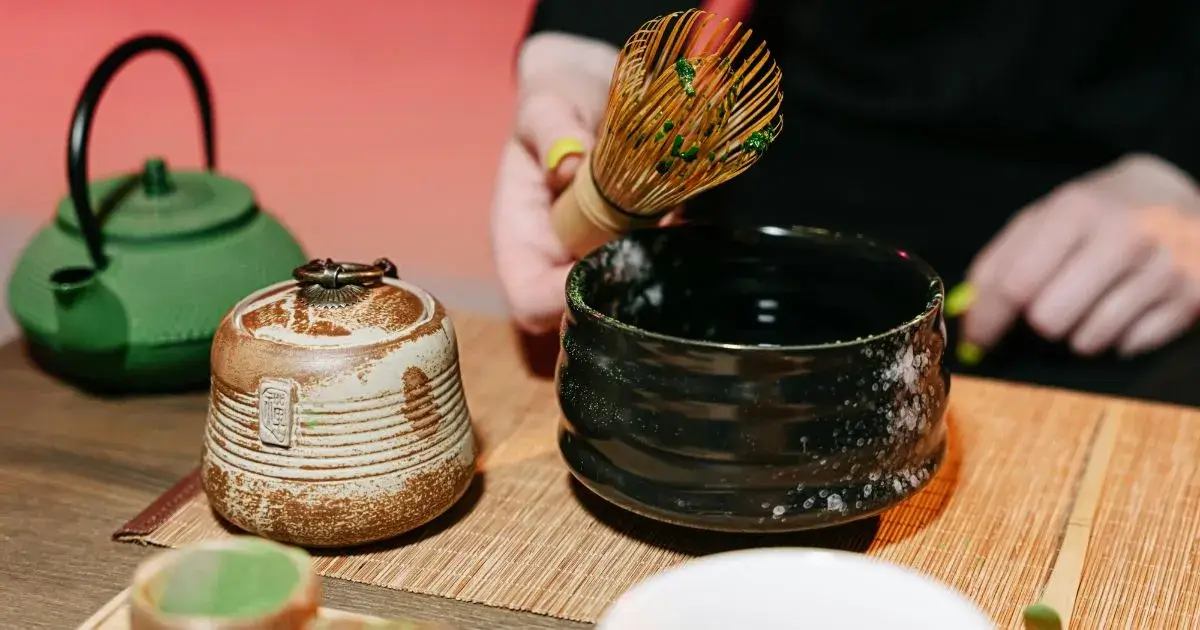
Matcha
- Shade-grown and stone-ground into a fine powder.
- Because the entire leaf is consumed, matcha provides higher antioxidant and caffeine levels than brewed tea—though still less concentrated than extracts.
Gyokuro
- A premium, shade-grown tea with elevated amino acids and moderate catechins.
- Known more for calm energy than aggressive fat-burning, but still nutritionally dense.
Each of these contributes differently, but extracts are typically optimized for catechin and EGCG yield, not flavor or ceremonial quality.
Green tea extract vs traditional tea: why extracts are stronger
Here’s the key distinction US readers often miss:
- Brewed green tea delivers antioxidants in small, inconsistent amounts depending on water temperature, steep time, and leaf quality.
- Green tea extract is standardized and concentrated, meaning you get a predictable dose of EGCG and catechins every time.
Why that matters for weight loss:
Most studies showing measurable fat-oxidation or metabolic effects use extract-level doses, not casual tea drinking.
That doesn’t make extracts “better” for everyone—but it explains why they’re the form most often discussed in weight-loss research and supplements.
How It May Help With Weight Loss (Science Behind It)
Japanese green tea extract doesn’t work like a stimulant fat burner.
Its effects are subtle, biological, and cumulative—which is exactly why it keeps showing up in credible research.
Here’s what science suggests is happening under the hood.
Metabolism & Fat Oxidation
The primary players are catechins, especially EGCG (epigallocatechin gallate).
- EGCG helps increase fat oxidation, meaning your body becomes slightly better at using fat for energy.
- It may also slow the breakdown of norepinephrine, a hormone involved in fat burning—keeping metabolic signals active for longer.
Now add caffeine.
On its own, green tea contains modest caffeine. But together, EGCG + caffeine create a synergistic effect:
- EGCG supports fat mobilization
- Caffeine increases energy expenditure
The result isn’t dramatic—but it’s measurable.
Key point: This is metabolic support, not a metabolic shortcut.
Thermogenic Effect
Green tea extract may cause a small increase in thermogenesis—the process by which your body burns calories to produce heat.
What that looks like in real life:
- A slight uptick in daily calorie burn
- More noticeable when paired with movement or exercise
- Not enough to offset overeating on its own
Think of it as turning the dial up a notch, not flipping a switch.
Glucose & Insulin Regulation
Some animal and limited human studies suggest green tea catechins may:
- Improve insulin sensitivity
- Help regulate post-meal glucose spikes
- Support metabolic flexibility over time
Why this matters for weight loss:
Better insulin response can make it easier for the body to use fuel efficiently instead of storing it as fat.
That said, most strong evidence here comes from animal models, so expectations should stay grounded.
Gut Microbiome & Nutrient Absorption
Emerging research points to another interesting pathway: the gut.
Green tea polyphenols may:
- Support beneficial gut bacteria
- Influence how nutrients—especially fats—are absorbed
- Improve overall metabolic signaling through the gut–brain axis
This is still an evolving area of research, but it helps explain why green tea’s effects feel systemic rather than immediate.
A quick science reality check
Important: The weight-loss effects of Japanese green tea extract are modest, not miraculous.
- It won’t melt fat on its own
- Results depend heavily on diet, activity, and consistency
- Benefits accumulate over time, not overnight
Used correctly, it can support a calorie-controlled lifestyle. Used alone, it disappoints.
That balance—promising but realistic—is exactly why green tea extract continues to earn scientific interest rather than being dismissed as hype.
What the Latest Research Says
Large reviews and meta-analyses generally agree on a few points:
- Green tea extract supports modest weight loss
- It can increase fat oxidation and energy expenditure
- Effects are more noticeable when EGCG is standardized and paired with mild caffeine
In practice, people using green tea extract often experience:
- Small reductions in body weight or body fat
- Slight improvements in metabolic markers
- Better outcomes when combined with diet and exercise
This consistency is why green tea extract continues to appear in scientific discussions, long after many other supplements have faded.
Where the research falls short
The limitations matter:
- Weight loss effects are small, not dramatic
- Results vary widely between individuals
- Dosage, extract quality, and study design differ across trials
In short, green tea extract can help—but not for everyone, and not on its own.
The realistic takeaway
- Green tea extract: supports metabolism and consistency
- Lifestyle habits: drive the majority of fat loss
Used alongside calorie control and regular movement, green tea extract may help tip progress slightly in the right direction.
That realistic role—supportive, not transformative—is exactly why it’s still taken seriously rather than dismissed as hype.
Green Tea Extract vs Whole Tea vs Matcha
All three come from the same plant—but they behave very differently in the body.
Choosing the right option depends less on hype and more on how you plan to use it.
Green Tea Extract
What it is: A concentrated, often standardized source of catechins—especially EGCG—usually taken as capsules or powder.
Why people use it for weight loss:
- Delivers high, consistent doses of active compounds
- Backed by most weight-loss–focused studies
- Easy to dose and track
Pros
- Strongest metabolic support per serving
- Convenient for busy routines
- Research-friendly, standardized intake
Cons
- Easy to overdo if dosing is ignored
- Not hydrating
- Higher doses may cause side effects in sensitive users
Best for: People looking for targeted, measurable support rather than a beverage habit.
Whole Green Tea (Brewed)
What it is: Traditional steeped tea made from loose leaves or tea bags.
Why people still swear by it:
- Naturally low-calorie
- Hydrating and calming
- Easy to integrate daily
Pros
- Gentle and safe for long-term use
- Supports overall health, not just weight loss
- No supplementation required
Cons
- Much lower EGCG per cup
- Effects on fat loss are minimal and inconsistent
- Results depend heavily on brewing method
Best for: Daily wellness routines, hydration, and light metabolic support.
Matcha
What it is: Finely ground green tea leaves consumed whole—popular in lattes, smoothies, and wellness drinks.
Why it’s trending:
- Higher antioxidant and caffeine levels than brewed tea
- Strong cultural and social media presence
- Perceived as “clean energy” fuel
Pros
- More nutrients than brewed tea
- Sustained energy and focus
- Easy to pair with workouts or fasting routines
Cons
- Still less concentrated than extracts
- Calories add up quickly in sweetened lattes
- Quality varies widely by source
Best for: People who want a food-based option with both energy and antioxidant benefits.
Quick comparison for weight loss
- Most potent: Green tea extract
- Most sustainable daily habit: Brewed green tea
- Best middle ground: Matcha
How to Take Japanese Green Tea Extract
Using Japanese green tea extract correctly matters just as much as choosing it.
Dosage, timing, and form can make the difference between subtle support and unnecessary side effects.
Recommended doses & common forms
Capsules (most popular)
- Typical range: 300–500 mg/day of green tea extract
- EGCG target: ~150–300 mg/day
- Best for consistency and precise dosing
Powders
- Mixed into water, smoothies, or shakes
- Flexible dosing, but easier to overconsume if not measured
- Choose products that clearly list EGCG content
Ready-to-drink or liquid extracts
- Convenient, but often under-dosed or sweetened
- Check labels carefully—many are more beverage than supplement
Important: More is not better. High-dose extracts taken carelessly have been linked to adverse effects in some users.
Best timing & smart pairing
Before workouts
- Taking extract 30–60 minutes pre-exercise may enhance fat oxidation during training
- Works best for moderate-intensity cardio or resistance sessions
With meals
- Taking it with food improves tolerance and reduces stomach irritation
- Helps avoid nausea sometimes reported on an empty stomach
What to avoid
- Late-night dosing (caffeine + sleep = bad combo)
- Stacking with other high-caffeine fat burners
Pro tip: If you’re sensitive to caffeine, split the dose—half earlier in the day, half with lunch.
Matcha: trend-worthy ways to use it
Matcha isn’t a replacement for extract—but it’s an excellent complementary option.
Simple matcha latte (lighter version)
- Unsweetened almond or oat milk
- ½–1 tsp ceremonial or culinary-grade matcha
- Cinnamon or vanilla instead of sugar
Fat-loss–friendly matcha smoothie
- Matcha powder
- Protein powder
- Frozen berries or spinach
- Water or unsweetened milk
Why this works: You get antioxidants, mild caffeine, and satiety—without turning matcha into a dessert.
Safety & Side Effects
Japanese green tea extract is widely used and generally well tolerated—but “natural” doesn’t mean risk-free, especially at higher doses or with daily use.
Here’s what matters most from a safety standpoint.
Caffeine sensitivity & sleep disruption
Even though green tea contains less caffeine than coffee, extracts concentrate it.
Possible effects in sensitive individuals:
- Jitters or restlessness
- Elevated heart rate
- Insomnia, especially if taken late in the day
What helps:
- Take extracts earlier in the day
- Avoid stacking with other caffeine sources
- Start with the lowest effective dose
If you already react strongly to caffeine, this matters.
Liver concerns with high-dose extracts
This is the most serious—and often misunderstood—risk.
- Rare cases of liver injury have been reported with high-dose, fasted green tea extract use
- Risk appears higher when extracts are taken on an empty stomach or at excessive doses
- Brewed green tea and moderate matcha intake are not linked to this issue
Smart rule: Take green tea extract with food, and avoid mega-dosing.
Iron absorption & hair loss concerns
- Green tea polyphenols can reduce non-heme iron absorption
- This matters most for people with iron deficiency, vegetarians, or heavy tea drinkers
Practical fix: Take green tea products away from iron-rich meals or supplements.
Hair loss narratives
- Anecdotal reports link excessive matcha intake to shedding
- Likely contributors include reduced iron absorption or extreme calorie restriction—not matcha itself
There’s no strong evidence that moderate green tea or matcha causes hair loss.
Who should avoid or consult a doctor first
You should talk to a healthcare professional before using green tea extract if you:
- Have a history of liver disease
- Are pregnant or breastfeeding
- Take medications that affect the liver
- Have known iron deficiency
- Are highly sensitive to caffeine
Lifestyle Tips to Boost Results
Japanese green tea extract works best when it’s supporting a smart routine—not trying to carry it.
These simple lifestyle tweaks make the difference between “I tried it” and “it actually helped.”
Pair it with a balanced diet and regular movement
Green tea extract can nudge metabolism, but calorie balance still runs the show.
What consistently works:
- Prioritize protein to support fat loss and satiety
- Keep ultra-processed foods in check
- Move daily—structured workouts or high daily steps both count
Best combo: Green tea extract + resistance training + moderate cardio
This is where fat-oxidation benefits show up most clearly.
Add metabolism-supporting spices (low effort, trending, effective)
This is where habit meets trend—without gimmicks.
Cinnamon
- Helps with blood sugar control
- Easy add-on to matcha, tea, or smoothies
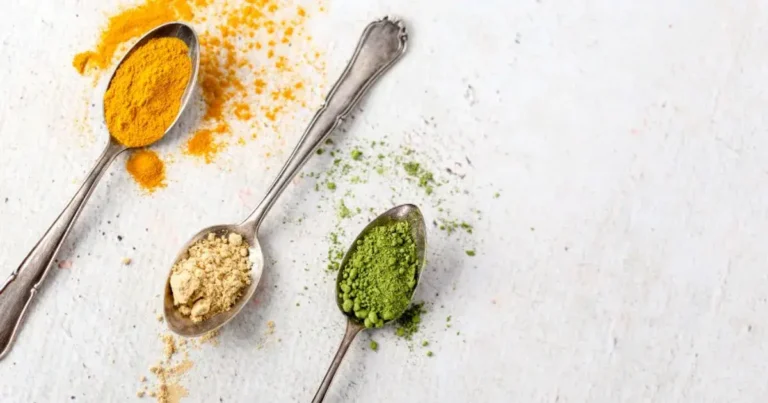
Turmeric
- Supports inflammation management and recovery
- Pair with black pepper for better absorption
These spices won’t burn fat on their own, but they stack well metabolically, especially for consistency-focused routines.
Habit stacking: make it automatic
The biggest results come from repeatable behaviors, not motivation.
Morning routine
- Take green tea extract with breakfast
- Or replace sugary morning drinks with matcha or plain green tea
Pre-workout anchor
- Use extract or matcha 30–60 minutes before training
- Same timing, same cue—no thinking required
Recovery strategy
- Hydration + sleep > supplements
- Avoid late-day caffeine so recovery doesn’t suffer
Rule of thumb: If it adds friction, it won’t last. Attach green tea habits to routines you already follow.
Conclusion
Japanese green tea extract isn’t a shortcut—but it is one of the more credible tools in the weight-loss conversation.
What science supports:
- Modest improvements in fat oxidation and metabolism
- Small increases in daily energy expenditure
- Potential support for glucose regulation and gut health
- Best results when EGCG is standardized and paired with caffeine, diet, and movement
What it doesn’t do is override poor habits or deliver dramatic, fast weight loss.
That expectation belongs in marketing—not research.
The smart way forward:
Use Japanese green tea extract intentionally, at sensible doses, and as part of a broader routine that includes balanced nutrition, regular exercise, sleep, and recovery.
Matcha or brewed green tea can complement this approach, especially for long-term consistency.