
Does Burnt Berberine Help With Weight Loss?
Berberine is being hyped online as “nature’s Ozempic” for blood sugar control and weight loss.
As the trend has grown, so has confusion—especially around new buzzwords pushed on TikTok and wellness blogs.
One of the most common is “burnt berberine.”
Some people use it to mean heat-treated or darkened berberine; others claim it’s a more potent or “activated” form.
The catch: “burnt berberine” isn’t a real scientific category, and the term means different things depending on who’s using it.
What Is Berberine?
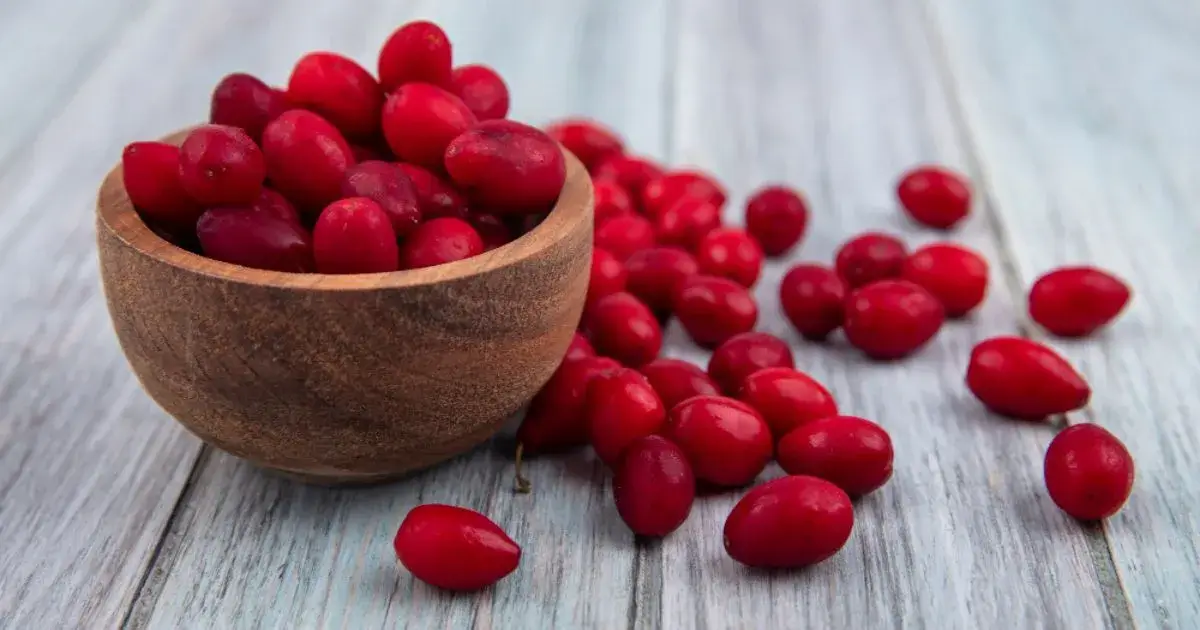
Berberine is a bioactive plant compound found naturally in several medicinal plants, including barberry, goldenseal, and Oregon grape.
Chemically, it’s an alkaloid—meaning it has a strong biological effect even at relatively small doses.
Historically, berberine has been used for centuries in traditional Eastern medicine, mainly to support digestion and treat infections.
Its role wasn’t weight loss back then; it was about gut health and metabolic balance long before those terms were trendy.
Fast forward to today, and berberine has been repackaged for the modern US supplement market.
Research into blood sugar regulation and insulin sensitivity pushed it into the spotlight, eventually leading to its “nature’s Ozempic” nickname—an oversimplification, but one that explains the surge in interest.
As a supplement, berberine is typically consumed in three forms:
- Capsules or tablets (most common and standardized)
- Powdered extracts (less common, harder to dose accurately)
- Liquid extracts (niche use, often for digestive support)
What matters here is consistency and formulation. Berberine is not normally heated or “burnt” during proper manufacturing, which already raises questions about claims tied to altered or heat-treated versions.
How Berberine Works in the Body
Berberine’s effects start at the cellular level, not the scale—and that’s why it keeps showing up in metabolic research.
AMPK activation (the metabolic “master switch”)
Berberine activates an enzyme called AMPK (adenosine monophosphate–activated protein kinase).
Think of AMPK as the body’s internal energy regulator. When it’s turned on, cells shift away from storing energy and toward using it more efficiently.
This is the same pathway targeted by exercise and, indirectly, some diabetes medications—which explains why berberine is often discussed in metabolic health conversations.
Improved insulin sensitivity and blood sugar control
One of berberine’s most studied effects is how it helps the body respond better to insulin.
Instead of glucose lingering in the bloodstream, cells become more efficient at absorbing and using it.
For people with insulin resistance or unstable blood sugar, this matters—because chronically high insulin levels are closely linked to fat storage and weight gain.
Effects on fat storage and metabolism
At the cellular level, berberine may:
- Reduce the creation of new fat cells
- Encourage fat breakdown rather than storage
- Improve how mitochondria (the cell’s “power plants”) burn fuel
These changes don’t cause rapid weight loss. They support gradual, metabolic efficiency over time—which is why clinical studies tend to show modest, not dramatic, results.
Burnt vs. Regular Berberine — Myth or Meaningful Difference?
Let’s be clear upfront: “burnt berberine” is not a recognized scientific or medical term.
You won’t find it in clinical studies, pharmacology texts, or reputable supplement standards. That alone is a red flag.
So why are people talking about it?
In most cases, “burnt” berberine seems to mean one of three things:
- A product that’s been exposed to high heat during preparation
- A darkened or degraded powder, often mistaken for being more “concentrated”
- A marketing spin implying the compound has been “activated” or made stronger
None of these interpretations are supported by evidence.
Why supplement processing matters
Berberine is a bioactive compound with a specific chemical structure.
Proper manufacturing is designed to preserve that structure, not alter it. Excessive heat can:
- Break down active compounds
- Reduce bioavailability
- Create unpredictable byproducts
In other words, heating doesn’t enhance berberine—it risks damaging what makes it work in the first place.
Safety and efficacy concerns
When a supplement is altered outside established standards, two things become uncertain:
- Does it still work as intended?
- Is it still safe at typical doses?
There’s currently no clinical evidence showing that heat-altered or so-called “burnt” berberine improves weight loss, metabolism, or blood sugar control.
On the contrary, improper processing may reduce effectiveness or increase side effects.
Can Berberine Actually Help With Weight Loss?
Yes, berberine can support weight loss—but the effects are modest and gradual.
That conclusion shows up consistently across human studies, especially when berberine is used regularly for 8 weeks or longer.
What clinical research actually shows
- Several trials have reported small but measurable reductions in body weight and BMI in adults using berberine daily.
- Some studies also observed reduced waist circumference, suggesting an effect on abdominal fat rather than just scale weight.
- These changes tend to occur alongside improvements in insulin sensitivity and blood sugar control, which likely explains how the weight loss happens.
That said, the results are not dramatic. Berberine doesn’t cause rapid fat loss, appetite suppression, or major body recomposition on its own.
How it compares to prescription weight-loss drugs
Compared to FDA-approved medications like semaglutide, berberine is significantly less potent.
Prescription drugs directly influence appetite hormones and satiety signals.
Berberine works indirectly, through metabolic pathways, which makes its impact slower and smaller.
This is an important distinction for readers: berberine may support weight management—but it doesn’t replace medical treatments.
What about “burnt” or altered berberine?
Here’s the critical point:
No human studies show enhanced weight-loss effects from chemically altered, heat-treated, or “burnt” berberine.
Every positive outcome linked to berberine comes from standardized, properly manufactured forms.
Claims that altered versions work better are speculative at best—and misleading at worst.
Mechanisms Behind Weight Effects
Berberine doesn’t work like a stimulant or an appetite suppressant.
Its influence on weight is indirect, driven by metabolic improvements that add up over time.
Blood sugar regulation and insulin sensitivity
Berberine helps stabilize blood glucose levels by improving how cells respond to insulin.
When insulin resistance drops, the body is less likely to shuttle excess glucose into fat storage.
This matters because chronically high insulin is one of the strongest drivers of weight gain—especially around the abdomen.
Metabolism and fat oxidation via AMPK
By activating AMPK, berberine nudges the body toward burning energy instead of storing it.
This shift can:
- Increase fat oxidation
- Reduce new fat formation
- Improve overall metabolic efficiency
It’s subtle, but over weeks, this metabolic bias can support gradual weight loss.
Gut microbiome interaction
Emerging research suggests berberine may influence the gut microbiome, which plays a role in metabolism, inflammation, and insulin signaling.
A healthier microbial balance may further support metabolic function—but this area is still evolving.
Side Effects & Safety Considerations
Even though berberine is plant-derived, it’s not risk-free—and that distinction matters, especially for US readers navigating an unregulated supplement market.
Common side effects
The most frequently reported issues are gastrointestinal:
- Nausea
- Stomach cramps or discomfort
- Diarrhea or constipation
These effects are usually dose-dependent and more likely when berberine is taken on an empty stomach or in large amounts.
Medication interactions
Berberine can interfere with how certain medications work.
This is especially important for people taking:
- Diabetes medications (risk of blood sugar dropping too low)
- Blood thinners
- Drugs metabolized by the liver
Mixing berberine with these without medical guidance isn’t harmless—and it’s a common oversight in online weight-loss advice.
Regulatory reality in the US
The FDA does not approve berberine for weight loss.
That means supplement quality, dosage, and purity can vary widely between brands.
Labels don’t always reflect what’s actually in the bottle, and potency isn’t guaranteed.
Why processing matters
How a supplement is manufactured directly affects its safety and effectiveness.
Excessive heat or improper processing can:
- Degrade active compounds
- Reduce predictable dosing
- Increase the risk of side effects
This is another reason claims around “burnt” berberine should be viewed cautiously.
Altering the compound doesn’t improve safety—and may do the opposite.
How Experts Recommend Using Berberine
When clinicians and researchers discuss berberine, they’re talking about standardized supplements, not altered or “burnt” versions.
Typical dosing used in studies
Most human research uses 500–1,500 mg per day, divided into two or three doses and taken with meals.
Splitting the dose helps reduce stomach side effects and improves tolerance.
Importantly, this dosing applies to regular berberine extracts—there’s no evidence-based guidance for heat-altered forms.
Lifestyle still comes first
Experts consistently stress that berberine works, at best, as a support tool, not a solution.
Any potential benefit depends heavily on:
- A calorie-aware, balanced diet
- Regular physical activity
- Adequate sleep and stress management
- Prescription medications when medically indicated
Without these foundations, supplements—berberine included—tend to underperform.
Medical guidance matters
Because berberine can affect blood sugar and interact with medications, people with diabetes, cardiovascular conditions, or other chronic health issues should consult a healthcare provider before using it.
This is especially important in the US, where supplements are not regulated like drugs and oversight from agencies like the U.S. Food and Drug Administration is limited for dietary supplements.
Alternative Strategies Backed by Evidence
If the goal is meaningful, sustainable weight loss, research is very clear on what works—and what merely supports the process.
Proven methods that consistently outperform supplements
- Calorie deficit remains the foundation. Weight loss only occurs when energy intake is lower than energy expenditure, regardless of supplements.
- Structured nutrition—such as higher protein intake, fiber-rich foods, and reduced ultra-processed calories—has strong, repeatable evidence.
- GLP-1–based therapies, when medically appropriate, produce substantially greater and more reliable weight loss than any over-the-counter supplement. These work by directly influencing appetite, satiety, and glucose regulation, not indirectly like berberine.
These approaches are supported by large clinical trials and real-world outcomes—not short-term trends.
Functional foods and drugs vs supplements
There’s an important hierarchy of evidence:
- Prescription medications and structured medical programs → strongest evidence
- Functional foods (high-protein diets, fiber, low–glycemic-load eating) → strong and growing evidence
- Supplements like berberine → emerging, supportive evidence
- Altered or “burnt” supplement variations → no credible evidence
Supplements can play a supporting role, especially for metabolic health, but they don’t override fundamentals.
And when claims move away from standardized formulations into modified or “enhanced” versions, the science usually drops off fast.
Conclusion
Berberine has earned its place in the conversation because it does something—just not what social media often promises.
When used properly, standard berberine supplements may support modest weight management, particularly in people dealing with insulin resistance or blood sugar issues.
What the evidence does not support is the idea that “burnt berberine” offers superior benefits.
It isn’t a recognized form, it isn’t studied in human trials, and there’s no credible data showing it improves weight loss, metabolism, or safety.
If anything, altering the compound raises more questions than it answers.
Most importantly, berberine is not a miracle solution.
It doesn’t replace a calorie deficit, structured nutrition, physical activity, or—when appropriate—medical treatment.
At best, it functions as a supporting tool within a broader, evidence-based health strategy.